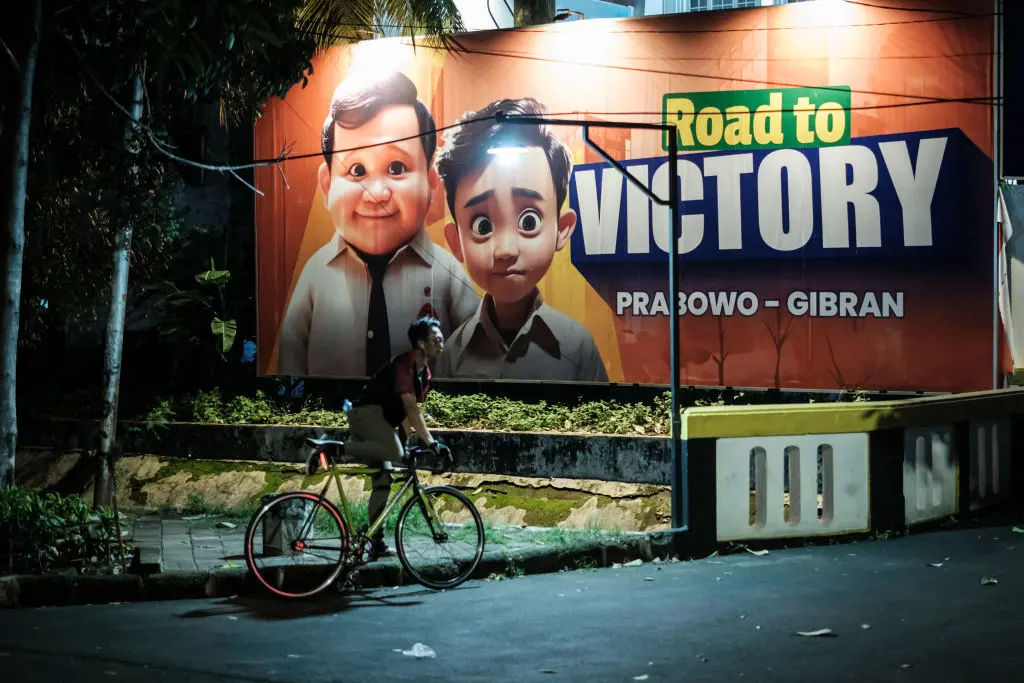
The Psychology Behind the „Cute” Campaign
Jakarta, October 2024 – Former army general and ex‑defense minister Prabowo Subianto is reshaping his political persona ahead of Indonesia’s presidential vote. The conservative contender is now being presented as a warm, grandfather‑type figure, a stark contrast to his hard‑line military image, in an effort to attract voters who associate child‑like charm with purity and trustworthiness.
Subianto’s campaign team has deliberately highlighted his softer side, using family‑oriented imagery and gentle language to soften his reputation as a stern commander. Analysts say the strategy taps into a cultural bias that equates „cuteness” with moral integrity, especially among older voters who value paternal leadership. By portraying himself as a caring elder, Subianto hopes to broaden his appeal beyond the traditional nationalist base and win over undecided moderates.
Political consultants explain that the shift relies on a deep‑seated association between child‑like innocence and ethical conduct. In Indonesia, where family ties and respect for elders are paramount, a candidate who appears nurturing can evoke feelings of safety. The campaign’s visuals feature Subianto interacting with grandchildren, sharing meals, and attending community festivals, all designed to reinforce a paternal aura.
Will „Cuteness” Translate Into Votes?
Former allies note that the rebranding also serves a pragmatic purpose: it distances Subianto from past controversies linked to his military tenure. By focusing on domestic, relatable scenes, the campaign sidesteps hard‑line policy debates and instead emphasizes personal warmth. Voter polls released last week show a modest rise in approval among women aged 45‑60, a demographic historically skeptical of aggressive rhetoric.
Critics question whether a superficial image overhaul can overcome entrenched political loyalties. Opposition figures argue that the grandfather façade masks unresolved issues such as human‑rights concerns and economic inequality. They warn that voters may eventually demand substantive policy answers rather than comforting visuals.
Nonetheless, early field reports indicate that the approach resonates in rural provinces where community leaders value personal relationships over party platforms. In Central Java, local organizers report increased attendance at Subianto’s rallies, with attendees citing his „kind demeanor” as a key draw. The campaign’s success may hinge on whether this emotional connection can be sustained through the final weeks of the election.
If Subianto’s „cuddly” image gains traction, it could reshape the narrative of Indonesian politics, encouraging other candidates to adopt softer, family‑centric branding. Conversely, a backlash could reinforce the importance of policy depth over personality. The coming weeks will reveal whether charm can truly outweigh controversy in the nation’s most consequential vote in years.
Frequently Asked Questions
Why is „cuteness” considered a political asset in Indonesia? Cultural norms link gentle, family‑oriented behavior with trust and moral purity, making such traits appealing to voters who prioritize social harmony.
How has Subianto’s image changed compared to previous campaigns? Earlier campaigns highlighted his military credentials and nationalist rhetoric; the current strategy emphasizes personal warmth, grandfatherly affection, and community involvement.
What impact could this rebranding have on the election outcome? If the softer image convinces undecided voters, Subianto could close gaps with rivals; however, if voters demand concrete policies, the effect may be limited.