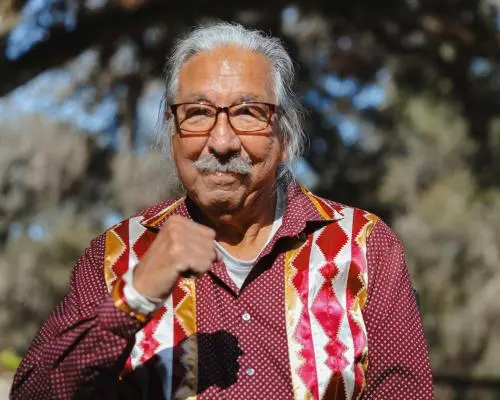
A Legacy Forged in Resistance
In a final act before leaving office on January 20, 2025, President Joe Biden commuted the life sentence of Leonard Peltier. The 80-year-old activist spent 49 years behind bars, marking the longest imprisonment of a political prisoner in United States history. His release follows decades of intense advocacy from supporters who viewed his lengthy incarceration as a grave injustice.
Peltier rose to prominence as a central figure in the American Indian Movement during the 1970s. He became a symbol of Native American resistance against systemic oppression and federal overreach. His supporters long argued that his conviction was marred by prosecutorial misconduct and an unfair trial. For nearly half a century, he remained a polarizing figure in the American legal system.
Will This Decision Reshape Federal Justice?
The case centers on the 1975 deaths of two FBI agents during a confrontation on the Pine Ridge Reservation in South Dakota. Peltier was convicted of the murders, though he consistently maintained his innocence. His supporters frequently cited the lack of direct evidence and alleged that the government suppressed key testimony. Over the years, organizations including Amnesty International advocated for his freedom.
The decision to commute his sentence arrived with only 14 minutes remaining in President Biden’s term. This move concludes one of the most enduring legal battles in modern American history. The commutation acknowledges the significant time served and the persistent calls for clemency from human rights groups. It represents a major victory for those who fought for his release for decades.
The release has sparked renewed debate over the fairness of the judicial process regarding Indigenous activists. Many legal scholars now look to this case as a landmark example of how political pressure can influence executive clemency. While some critics still condemn the decision, others view it as a necessary step toward reconciliation. His release marks the end of a long, controversial chapter in federal law enforcement.
Frequently Asked Questions
Why was Leonard Peltier considered a political prisoner? Supporters argued his prosecution was politically motivated due to his leadership in the American Indian Movement. They claimed the government targeted him to suppress Native American rights activism.
What does a commutation mean for his legal status? A commutation reduces a sentence but does not necessarily vacate a conviction. It allows the prisoner to be released from custody while the underlying judgment remains on the record.