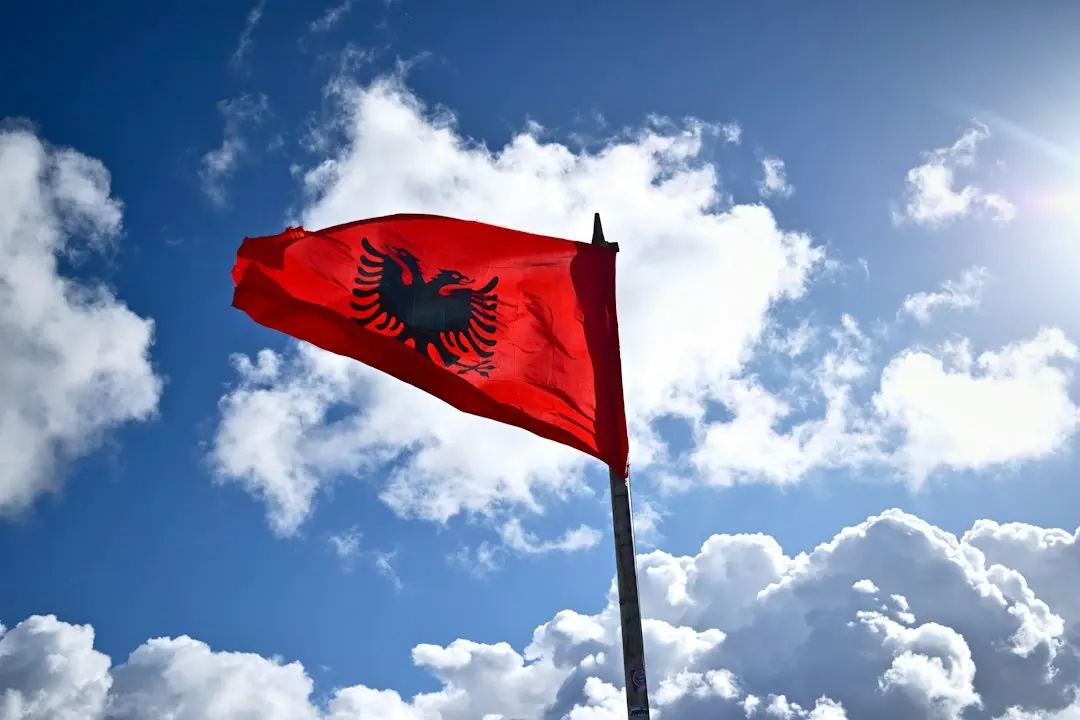
Independent observers note the scale and duration of the demonstrations are unprecedented in recent Albanian history
Tirana, Albania has experienced escalating anti-government protests since Monday, with demonstrators clashing with riot police in the capital and other major cities. Government buildings and some private businesses have been targeted in the unrest, marking the most significant civil disturbance in the country in decades. The protests are driven by a movement known as „Flamingo,”which has been organizing monthly demonstrations against the ruling administration. The Flamingo movement, named for its symbolic use of the pink bird in protest materials, has accused the government of corruption, electoral fraud, and authoritarian practices. Organizers claim the protests reflect widespread public frustration over economic stagnation and declining democratic standards. Security forces have responded with tear gas and batons, leading to injuries on both sides.
Independent observers note the scale and duration of the demonstrations are unprecedented in recent Albanian history, with participation growing beyond initial expectations. What Fuels the Flamingo Movement's Demands Protesters cite specific grievances including alleged misuse of state resources, suppression of media freedom, and lack of accountability for high-level officials. The movement has called for the resignation of key government figures and the establishment of an independent oversight body to investigate corruption claims. While the government denies wrongdoing and labels the protests as politically motivated, diplomatic envoys from the European Union have urged restraint and dialogue. Local businesses in Tirana report temporary closures due to safety concerns, though no major economic disruption has been confirmed yet. How Long Can the Government Sustain Its Position Analysts suggest the protests could persist if economic pressures mount and public trust continues to erode.
The ruling party maintains it has sufficient parliamentary support to withstand the pressure
The ruling party maintains it has sufficient parliamentary support to withstand the pressure, but internal polls indicate declining popularity, especially among younger voters. International financial institutions monitoring Albania’s reform progress have expressed concern that prolonged instability could delay EU accession talks. For now, both sides appear entrenched, with protesters vowing to continue demonstrations until their demands are met and officials insisting on maintaining order through legal channels. Frequently Asked Questions What is the Flamingo movement and why is it called that? The Flamingo movement is an anti-government activist group in Albania that uses the pink flamingo as a symbol of resilience and beauty amid political turmoil. The name reflects their aim to stand out peacefully while demanding change, though recent protests have turned violent. Are the protests limited to Tirana or spreading to other cities?
While Tirana has seen the largest demonstrations, protests have also occurred in cities like Durrës, Vlora, and Elbasan, though with smaller turnout. Authorities report isolated incidents in regional centers, but the capital remains the epicenter of the movement. What has been the government's official response to the unrest? The Albanian government has condemned the violence, accused opposition figures of orchestrating the protests, and urged citizens to pursue grievances through legal and electoral means. Police have increased presence in urban centers and detained dozens of individuals for questioning related to property damage and clashes with officers.