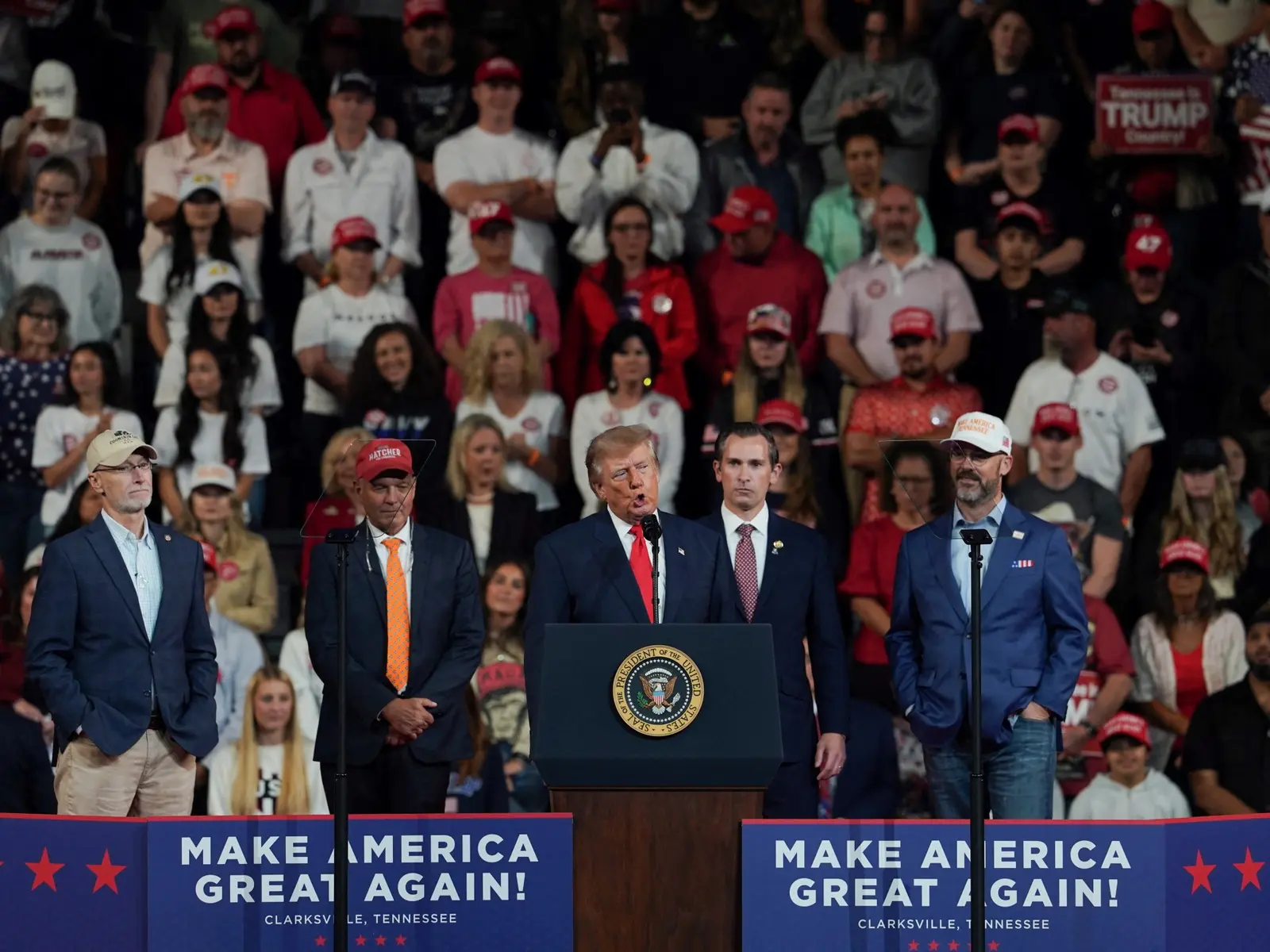
Post-Election Analysis: Republican Trajectory Amid Midterm Outcomes
The election results were stark. Democrats secured at least 40 House seats and seven Senate seats. In Texas, Democrats gained ground after over thirty years without a state-level victory. Kansas also saw a shift, with a Democratic Senate representative expected by January. Senator Susan Collins of Maine, a thirty-year veteran and key committee chair, was unseated.
Economic Factors Influenced Voter Behavior
Many observers were surprised by the depth of the Democratic win. A key factor was the conflict with Iran. It was not the war itself, but its economic fallout. Rising fuel prices severely impacted everyday Americans. These costs spread through all sectors. Food and supermarket goods rely on road transport, raising final prices.
Implications for Washington's Next Two Years
Democrats gaining control of both chambers will reshape Washington. The party will intensify oversight of Congress. Investigations against Trump and his team are likely, based on perceived or real violations. Legislative priorities will change drastically. The word impeachmentwill reappear often. Supreme Court vacancies will present challenges for the president.
Contextualizing the Democratic Surge
This victory is significant but not entirely unprecedented. Opposition gains happen in election cycles. Since WWII, there have been seven midterms with comparable or larger Republican losses. These years include 1946, 1958, 1966, 1974, 1994, 2010, and 2018.
Historical Context of Political Shifts
The biggest Democratic failure was in 2010. Democrats lost 63 House seats and six Senate seats then. They also lost nine Senate seats during Obama's second term. In 1994, Republicans won 54 House seats under Bill Clinton. Experts then questioned the Democratic Party's future. Yet, both administrations governed effectively. Clinton worked with Republicans to pass the first balanced budget in memory.
Consistent Public Demand for Accountability
These events are not new to American political history. In 1946, Truman's Democrats lost 55 House seats and 12 Senate seats. In 1958, Eisenhower's Republicans lost 48 House seats and 13 Senate seats. Presidents Johnson, Ford, and Bush also faced major setbacks. Even Ronald Reagan lost 26 House seats in his first midterms.
The Core Message from American Voters
The essential point is constant public demand for accountability in Washington. With only 14% of Americans rating Congress well, and basic goods prices rising, citizens demand change. This demand persists regardless of which party holds power.
The Republican Party's Next Steps
The logical next question is the Republican Party's future under Trump. Has his influence waned? Analysis of fears is unproductive. Both Trump and VP JD Vance cited Iran's economic effects as the main reason for the losses. This acknowledgment will speed up internal healing within the party. The need to move past this is clear.