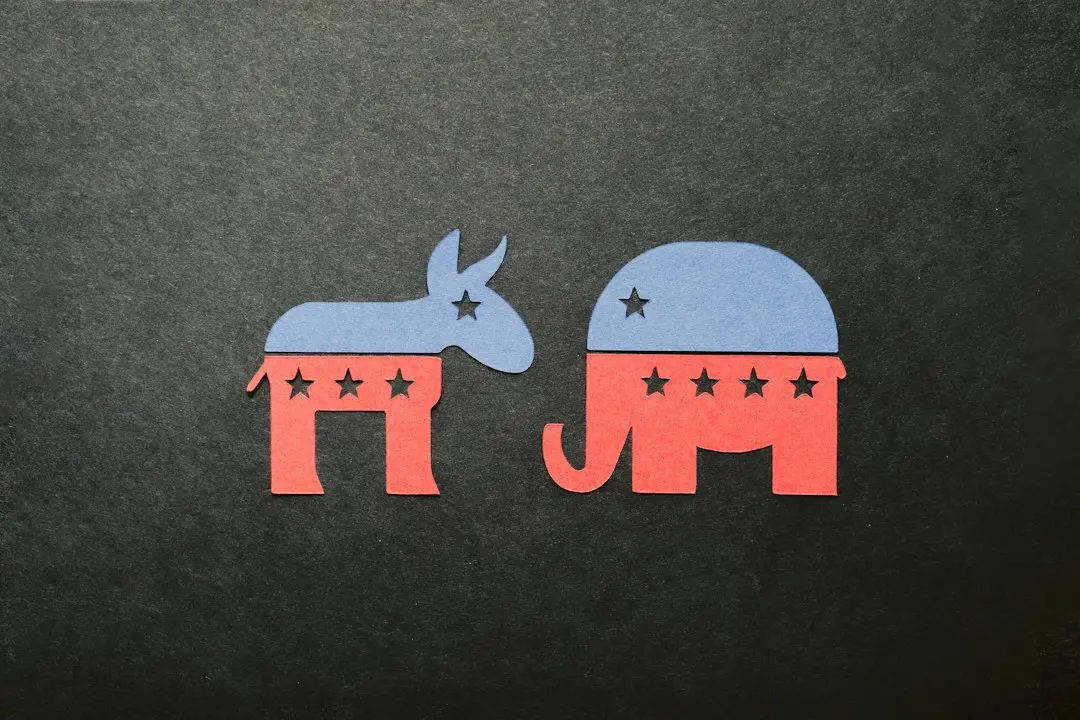
Fiscal Scrutiny Over Executive Media Spending
A senior Republican senator has publicly criticized the White House for expanding its advertising campaign. The administration is using taxpayer money to promote President Donald Trump’s agenda. This move has sparked debate within the GOP about fiscal responsibility. The controversy centers on the scale of the new media push. Critics argue that government funds should not subsidize political messaging. The timing of this expansion adds to the tension between party members. Many lawmakers are questioning the wisdom of such spending during economic uncertainty.
The White House has significantly increased its budget for public service announcements. These ads feature the president and highlight his policy achievements. The campaign aims to reach a broad national audience through television and digital platforms. By leveraging federal funds, the administration seeks to shape public opinion directly. Supporters claim this ensures voters hear the executive branch’s message clearly. They view it as a necessary tool for effective communication in a noisy media landscape. However, opponents see it as a blurring of lines between governance and campaigning. The use of general fund money for specific political promotion remains a contentious issue.
The core of the criticism lies in the origin of the funding. Taxpayers pay for these broadcasts, which explicitly endorse the current administration’s policies. This creates a perception that the government is paying for its own marketing. The senator highlighted this point during a recent floor speech. He urged colleagues to examine the financial implications closely. The argument suggests that if the White House wants to run a political campaign, it should use private funds or dedicated political budgets. Using the general treasury for partisan-leaning messages sets a precedent. It may encourage future administrations to do the same. This shift challenges traditional norms of nonpartisan government communication. Lawmakers are now reviewing the specific line items in the budget. They aim to determine exactly how much money has been allocated so far.
Does Political Messaging Belong in Federal Budgets?
The debate extends beyond simple accounting. It touches on the role of the executive branch in shaping public discourse. When the government pays for ads praising its own leader, it effectively acts as both referee and player. This dynamic raises questions about fairness in the democratic process. Citizens who disagree with the administration still contribute to the cost of its praise. The senator’s intervention signals a growing rift within the Republican ranks. Some members support the strategy as essential for maintaining momentum. Others fear it will alienate moderate voters who value fiscal prudence. The outcome of this internal discussion could influence future budget negotiations. If the criticism gains traction, the White House might need to adjust its approach. Alternatively, it could double down on the strategy, arguing that visibility justifies the cost.
The coming weeks will reveal whether this criticism leads to legislative action. Senators may propose amendments to limit executive advertising spend. The White House must decide if it will defend its spending or pivot. This standoff highlights the ongoing struggle over resources in Washington. The final decision will impact how future presidential campaigns interact with federal finances. For now, the ads continue to air, funded by the public purse.
Frequently Asked Questions
Who is leading the criticism against the White House? A senior Republican senator is spearheading the critique. He argues that taxpayer-funded ads for the president violate principles of fiscal discipline. His stance represents a significant portion of the party’s conservative wing.
How is the advertising campaign funded? The campaign relies on general taxpayer funds rather than private donations. This means money from individual tax returns supports the production and broadcast costs. The administration allocates these resources through standard budgetary processes.
What is the potential outcome of this dispute? The conflict may lead to stricter budget controls on executive communications. Lawmakers could introduce bills to separate political messaging from operational spending. The resolution will set a precedent for future administrative media strategies.