How the Publishing Deal Aligns With Kennedy Jr.'s Public Role
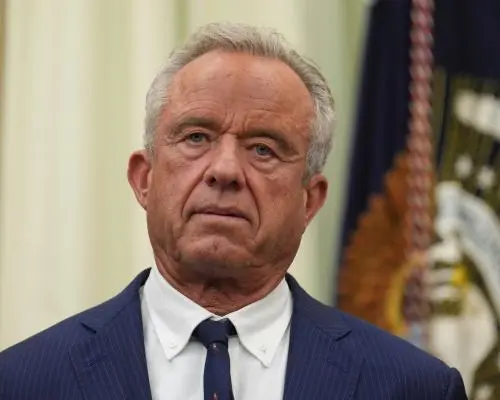
Robert F. Kennedy Jr., the U. S. Secretary of Health and Human Services, received $4 million in book advances over the past year from allies within the Make America Healthy Again movement, according to a recent report. The funds came from Skyhorse Publishing, a company owned by Tony Lyons, a close friend of Kennedy Jr. and president of the Maha Center. The advances were for upcoming books Kennedy Jr. plans to write, edit, and promote as part of his public health advocacy work. This financial arrangement highlights the close ties between Kennedy Jr. and his ideological supporters in the wellness and alternative health sectors.
The book advances were arranged through Skyhorse Publishing, which has previously published works skeptical of mainstream medical consensus, including titles on vaccine safety and chronic illness. Tony Lyons, who leads both Skyhorse and the Maha Center, has long collaborated with Kennedy Jr. on health policy initiatives. The Maha Center promotes a vision of American health that emphasizes personal responsibility, dietary freedom, and skepticism toward federal health agencies. Kennedy Jr.’s upcoming books are expected to expand on these themes, positioning him as a leading voice in the movement despite his federal role. Critics have raised concerns about potential conflicts of interest, given his oversight of national health programs while receiving financial support from organizations advocating specific health viewpoints.
What Safeguards Exist to Prevent Ethical Violations?
Federal ethics rules require government employees to disclose outside income and avoid situations where personal financial interests could influence official duties. Kennedy Jr. has filed the necessary financial disclosures showing the book advances, though the timing and scale of the payments have drawn scrutiny from ethics watchdogs. While receiving advances for future work is not inherently prohibited, the connection between the publisher, the Maha Center, and Kennedy Jr.’s public health messaging raises questions about the appearance of impartiality. The Department of Health and Human Services has not commented on whether any internal review was conducted regarding the arrangement. Ethics experts suggest that even if technically compliant, such arrangements may undermine public trust in federal health leadership.
Frequently Asked Questions
Did Kennedy Jr. violate any ethics laws by accepting the book advances? No public evidence suggests a legal violation, as the payments were disclosed in required financial filings. However, ethics scholars note that the close relationship between the payer and Kennedy Jr.’s advocacy work creates ethical concerns beyond strict legal compliance.
Will the book advances affect his duties as health secretary? There is no indication that the advances have influenced specific policy decisions so far. Nonetheless, watchdog groups continue to monitor whether his official actions align with the health perspectives promoted in his upcoming books and by his Maha Center allies.