Economic Squeeze on Local Entrepreneurs
Small business owners in Melbourne’s eastern suburbs face severe financial pressure. High labor costs and rising rents are squeezing profit margins. This economic strain could influence voting behavior in upcoming Victorian elections. Many long-standing operators report struggling to maintain viability. The situation highlights a growing disconnect between local commerce and broader political promises.
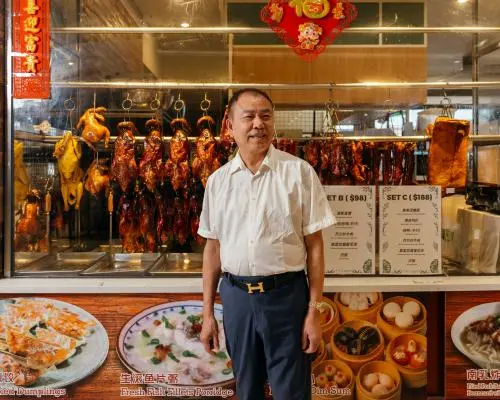
Tom Zheng has operated Grain Asian BBQ for nearly two decades. His shop sits in the Box Hill Central shopping centre. Outside, racks of duck and golden roast pork hang prominently. These items sit beside hot custard pastries and mounds of stuffed tofu. Despite his long tenure, Zheng admits uncertainty about the future. He states that he is close to closing his business. Labor costs have become a primary burden for his operations.
The eastern suburbs of Melbourne have traditionally been strongholds for specific political parties. However, economic realities are shifting voter priorities. Small business owners feel disconnected from current government policies. They cite insufficient support for managing operational expenses. Rent increases and wage pressures compound the difficulty. Many owners fear that further cost hikes will force permanent closures. This trend threatens the cultural and economic fabric of these communities.
Will Political Promises Save Local Shops?
Zheng’s experience reflects a broader pattern across the region. Other operators in Box Hill report similar challenges. The density of businesses in the area intensifies competition. Yet, the fundamental issue remains financial sustainability. Owners argue that political rhetoric often overlooks daily operational struggles. Promises regarding law and order or infrastructure do not address immediate cash flow problems. This gap may drive voters toward parties offering direct economic relief.
Coalition victories in these areas have often relied on specific policy pledges. Law and order remains a key theme for many residents. Infrastructure improvements are also frequently cited as priorities. However, economic stability is increasingly viewed as a prerequisite for community safety. If small businesses fail, the local economy weakens. This can lead to reduced foot traffic and further commercial decline. Voters may prioritize candidates who address cost-of-living issues directly.
The upcoming Victorian election presents a critical test for local leaders. Parties must demonstrate tangible support for small enterprises. Generic promises may no longer suffice. Residents like Zheng are seeking concrete solutions to labor and rent crises. The outcome could determine the survival of many long-established shops. Political analysts suggest that economic anxiety is reshaping traditional voting patterns.
Frequently Asked Questions
The consequences of business closures extend beyond individual owners. They affect employees, suppliers, and the local community. A decline in small businesses could alter the character of eastern Melbourne. Voters are likely to weigh economic performance heavily in their decisions. The election result may signal a shift in priorities. Parties must respond to the urgent needs of local entrepreneurs. Failure to do so risks losing key suburban seats.
Why is Tom Zheng considering closing his restaurant? High labor costs have made it difficult to sustain operations. He has been in business for almost twenty years but faces mounting financial pressure.
How might economic issues affect the Victorian election? Voters in eastern suburbs may prioritize candidates who address business costs. This could shift support away from traditional party loyalties.