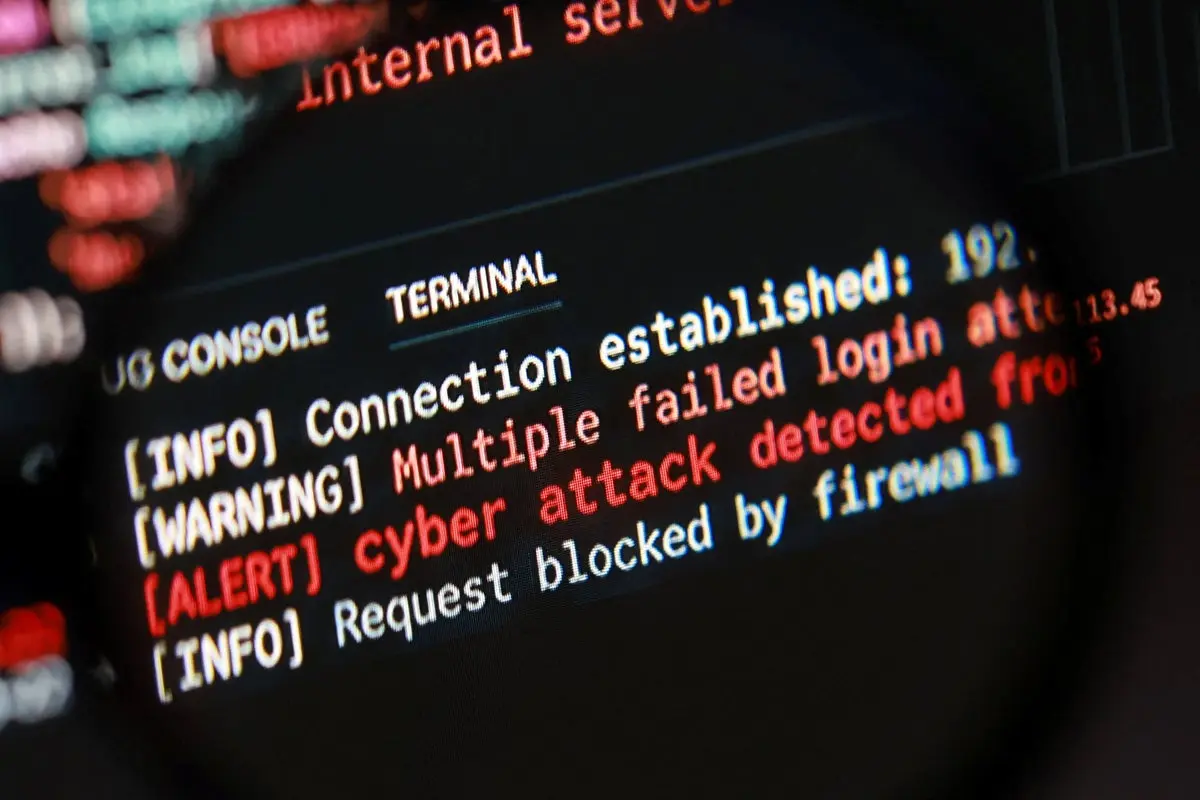
Weaponizing Trust Through Digital Deception
On Sunday night, millions of Ukrainians received alarming notifications on their mobile devices. The government emergency app warned of imminent radiation and chemical threats. It also claimed fighting was breaking out in the streets of Kyiv. This sudden digital intrusion targeted the civilian population directly. Experts note that this event marks a significant escalation in the ongoing digital conflict between the two nations.
The attack exploited official communication channels designed for genuine safety alerts. By mimicking the state’s voice, the intruders aimed to bypass public skepticism. Citizens faced immediate confusion as they could not instantly distinguish between a real military threat and a cyber fabrication. This tactic relies on the psychological pressure of uncertainty during a prolonged war. The goal was not physical destruction, but the erosion of public trust in official information systems.
Security analysts describe this incident as a crossing of a new frontier in warfare. The perpetrators targeted the very infrastructure meant to protect citizens. This approach forces the government to spend resources on verification rather than direct defense. It creates a vacuum of doubt that can paralyze decision-making at both individual and institutional levels. The use of the national alert system demonstrates a sophisticated understanding of Ukrainian digital habits.
Can Cyber Warfare Replace Traditional Combat?
The timing of the attack coincides with broader military operations. This synchronization amplifies the potential for chaos. When physical threats are present, digital disinformation becomes more dangerous. Citizens may ignore subsequent real alerts due to fatigue or suspicion. This phenomenon, known as alert fatigue, is a primary concern for emergency management teams. The attackers understand that breaking the psychological barrier is often easier than breaching physical fortifications.
The incident raises critical questions about the future of state security. Traditional borders are no longer the only lines of defense. Digital spaces have become primary battlefields where information integrity is the key asset. Governments must now protect their communication networks as rigorously as their power grids. This shift requires new strategies for maintaining public confidence during crises.
Experts warn that such attacks may become more frequent. The low cost and high impact make them attractive for asymmetric warfare. Defending against them requires constant vigilance and transparent communication. Authorities must clearly explain the nature of the threat to the public. Transparency helps to rebuild trust after a successful disinformation campaign.
The consequences of this cyber strike extend beyond a single night of confusion. It highlights the vulnerability of modern societies to digital manipulation. Future conflicts will likely involve a blend of kinetic and cyber operations. Nations must develop resilient communication frameworks that can withstand such pressures. The ability to maintain calm in the face of digital noise is now a strategic necessity. Public trust remains the most fragile asset in the modern information age.
Frequently Asked Questions
How did the cyber attack reach Ukrainian citizens? The attackers compromised the official government emergency notification app. This allowed them to send fake alerts about radiation and street fighting directly to millions of phones.
What was the primary objective of this digital strike? The main goal was to create panic and erode public trust in official channels. By mimicking state warnings, the attackers aimed to cause psychological distress and confusion.
Why is this considered a new frontier in warfare? It targets the integrity of national communication systems rather than physical infrastructure. This method exploits the public’s reliance on digital alerts for safety during a war.