How the claim fits into Britain’s broader fight against foreign influence
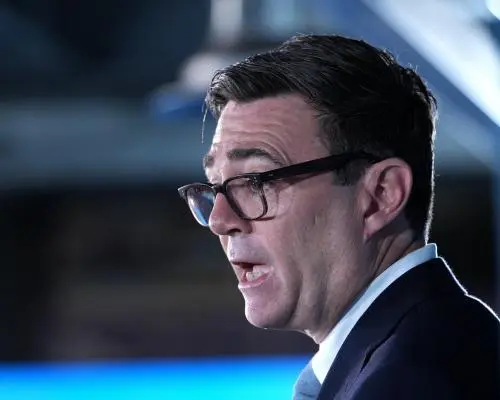
London – In a surprise interview, newly appointed Prime Minister Andy Burnham claimed he was informed, shortly after taking office, that the Kremlin had attempted to sway the 2016 EU referendum. The comment has reignited a debate that faded as Britain settled into post‑Brexit life, prompting calls for fresh scrutiny of foreign interference in the historic vote.
Burnham’s statement came during a televised discussion on national security, where he said intelligence briefings hinted at Russian efforts to influence the public mood before the June 2016 referendum. He did not disclose specific sources, but emphasized that the information was „taken seriously” by his administration. The revelation arrives months after the UK’s security agencies released a report acknowledging „concerned activity” by Russian actors, though they stopped short of confirming direct meddling. Critics argue that Burnham’s comments could politicise an already sensitive topic, while others see an opportunity to finally address lingering doubts about the legitimacy of the Brexit outcome.
Burnham’s remarks echo earlier accusations that Russia deployed social‑media bots, disinformation campaigns, and covert funding to shape public opinion across Europe. In the UK, the 2020 „Russia‑UK Inquiry” concluded that Russian state media had amplified divisive narratives, but it found no concrete proof of vote‑rigging. Since then, the government has tightened rules on political advertising and increased funding for the Electoral Commission’s counter‑disinformation unit.
Will a new inquiry uncover decisive evidence of Kremlin meddling?
The prime minister’s admission may accelerate legislative proposals aimed at bolstering transparency for political donations and online platforms. Opposition leaders have already demanded a parliamentary inquiry, arguing that the public deserves a full account of any external meddling. Security experts warn that without a clear investigative framework, speculation could undermine confidence in democratic institutions.
Calls for a fresh parliamentary inquiry have surged following Burnham’s comments. Some MPs argue that a thorough review could reveal the extent of Russian cyber‑operations, funding channels, or coordinated propaganda that targeted Brexit supporters. Others caution that the passage of time may limit the availability of hard evidence, and that focusing on past interference could distract from current threats.
If an inquiry proceeds, it would likely examine intelligence files, social‑media analytics, and financial records of groups linked to the referendum. Legal scholars note that any findings could have ramifications for future elections, potentially prompting stricter sanctions against foreign actors. However, the political will to pursue such an investigation remains uncertain, as the government balances domestic priorities with diplomatic considerations.
The renewed focus on Russian interference underscores lingering anxieties about the integrity of the Brexit decision. While Burnham’s claim has not yet been substantiated with public proof, it has sparked a debate that could reshape Britain’s approach to safeguarding its democratic processes. The coming weeks will reveal whether Parliament will act on the prime minister’s warning or let the issue fade once more.
Frequently Asked Questions
Did the UK government previously confirm Russian interference in the Brexit vote? No definitive public confirmation exists; earlier reports acknowledged suspicious activity but stopped short of proving direct meddling.
What powers does the prime minister have to launch an inquiry? The PM can request a parliamentary committee to investigate, but formal inquiries require approval from both Houses of Parliament.
How might new legislation address foreign influence in future referendums? Proposals include tighter disclosure rules for political advertising, enhanced monitoring of online platforms, and increased resources for the Electoral Commission’s security unit.