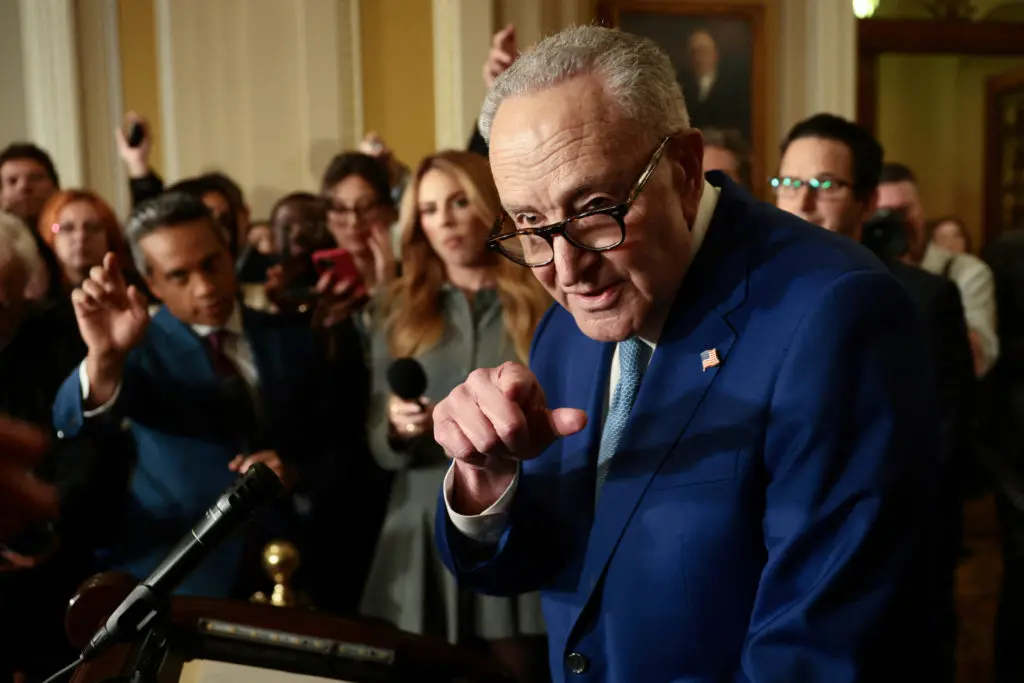
A Leadership Contest That Reveals Party Fissures
Incoming Democratic senators face an early test of their campaign pledges. The party has not yet sworn in its new majority, but internal divisions over leadership are already surfacing. This vote determines who will steer the chamber's agenda.
The decision carries weight beyond the Senate floor. It signals whether the new Democratic majority will prioritize reform or maintain institutional norms.
The race for Senate Democratic leadership pits established figures against newer voices. Many newly elected senators campaigned on breaking from the old guard. Their ability to deliver on that promise now hinges on who wins the leadership contest.
Will the New Majority Actually Deliver on Reform?
Veteran senators argue that experience matters in a chamber with complex procedural rules. Reform-minded newcomers counter that fresh perspectives are needed to shift the party's direction. The outcome will shape legislative priorities for the coming session.
The leadership vote is a litmus test. If the party selects a leader who embodies its reform agenda, credibility is preserved. If it chooses a conservative choice, the gap between campaign rhetoric and post-election reality widens.
Observers note that the Senate's procedural dynamics will influence the outcome. The party must balance internal unity with the need for visible change. A split leadership decision could weaken the majority's cohesion.
Frequently Asked Questions
Who is running for Senate Democratic leadership? The race includes both veteran senators and newly elected members. Specific candidates depend on the party's internal nomination process.
Why does this vote matter so early? It sets the tone for the new majority's agenda. The leader chosen will shape legislative priorities and procedural strategy.
What happens if the party picks a reform-minded leader? The new majority gains credibility with voters who elected them on a change platform. It also strengthens internal unity around a shared vision.