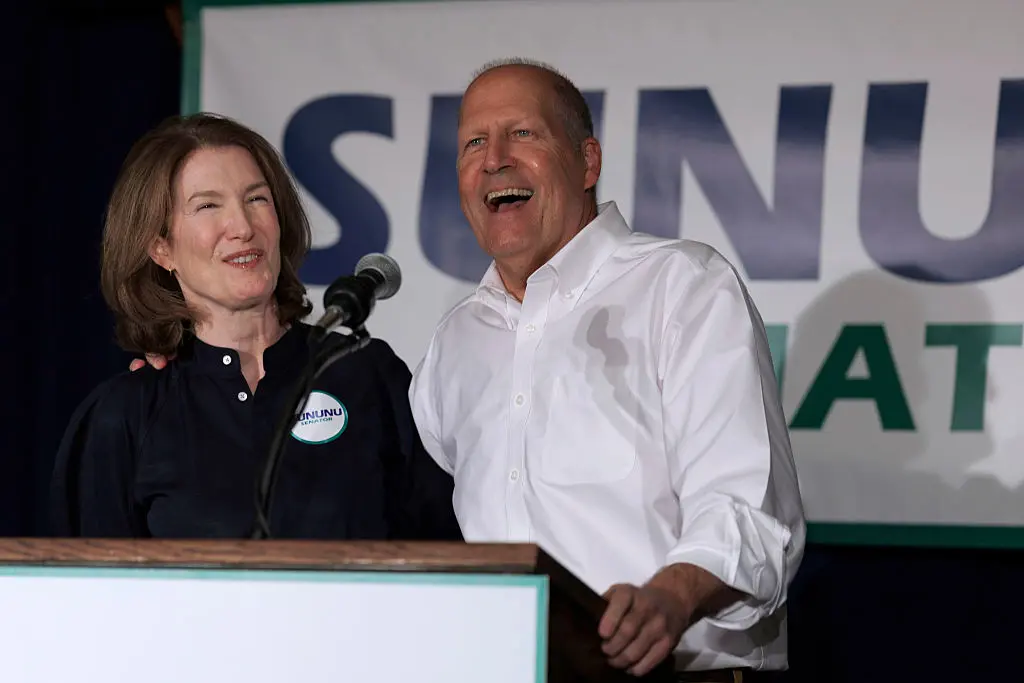
GOP Strategy: Leveraging Local Roots Against National Trends
In the early hours of September 8, 2026, former Senator John Sununu and Representative Chris Pappas faced off in Manchester, New Hampshire, as the state’s open Senate seat drew national attention. The contest unfolded under a backdrop of heightened Democratic momentum, yet Republican strategists remain optimistic about retaining the seat.
The race has become a bellwether for the GOP’s prospects in a year when many analysts predict a blue‑wave surge. Sununu, a former governor of New Hampshire, is running with the backing of the state’s established Republican establishment, while Pappas, a moderate Democrat, has appealed to progressive voters and independents. The primary has attracted significant media coverage, turning a traditionally quiet New Hampshire election into a high‑stakes showdown.
Sununu’s campaign capitalizes on his deep ties to New Hampshire politics and his reputation as a pragmatic leader. He emphasizes his record on economic growth and public safety, positioning himself as a steady hand amid national uncertainty. „The voters here know what it takes to get jobs and keep our communities safe,” Sununu told supporters in a late‑night rally. His messaging stresses that local issues—tax policy, infrastructure, and education—should outweigh broader partisan narratives.
Is the Blue‑Wave Momentum a False Alarm?
Pappas counters with a platform that blends progressive ideals with a pragmatic approach to governance. He highlights his work on climate initiatives and healthcare reform, appealing to younger voters and those disillusioned with traditional party politics. „We need a Senate that reflects the diversity of New Hampshire’s residents,” Pappas said, urging voters to consider a future that embraces change. The Democratic campaign also benefits from a surge in voter turnout, driven by a national push to counteract the perceived blue‑wave dominance.
The question of whether the national Democratic surge will translate into a win in New Hampshire remains unanswered. Polls show a narrow advantage for Pappas, but Sununu’s name recognition and fundraising prowess give him a competitive edge. Analysts note that New Hampshire’s electorate has historically been unpredictable, often swinging between parties based on candidate quality rather than party affiliation. The state’s early primary status makes it a testing ground for national strategies, and both campaigns are closely monitoring voter sentiment and turnout patterns.
The outcome will have implications beyond state borders. A Republican victory could signal a broader resilience for the GOP in the face of a national blue‑wave, while a Democratic win would reinforce the narrative of a shifting political landscape. Either result will influence campaign tactics in subsequent primaries and the general election.
Frequently Asked Questions
What makes this Senate race unique compared to other state contests? New Hampshire’s early primary status and its history of independent voters make it a pivotal indicator of national trends. The open seat, combined with high media attention, elevates its importance beyond typical state elections.
How are the candidates’ platforms tailored to New Hampshire’s voters? Sununu focuses on economic stability and public safety, resonating with traditional Republican values. Pappas emphasizes climate action and healthcare, appealing to progressive and younger demographics.
What could a Republican win mean for the GOP’s national strategy? A victory would suggest that local candidate strength can counteract national blue‑wave momentum, encouraging the GOP to invest more in grassroots campaigns and state-level issues.