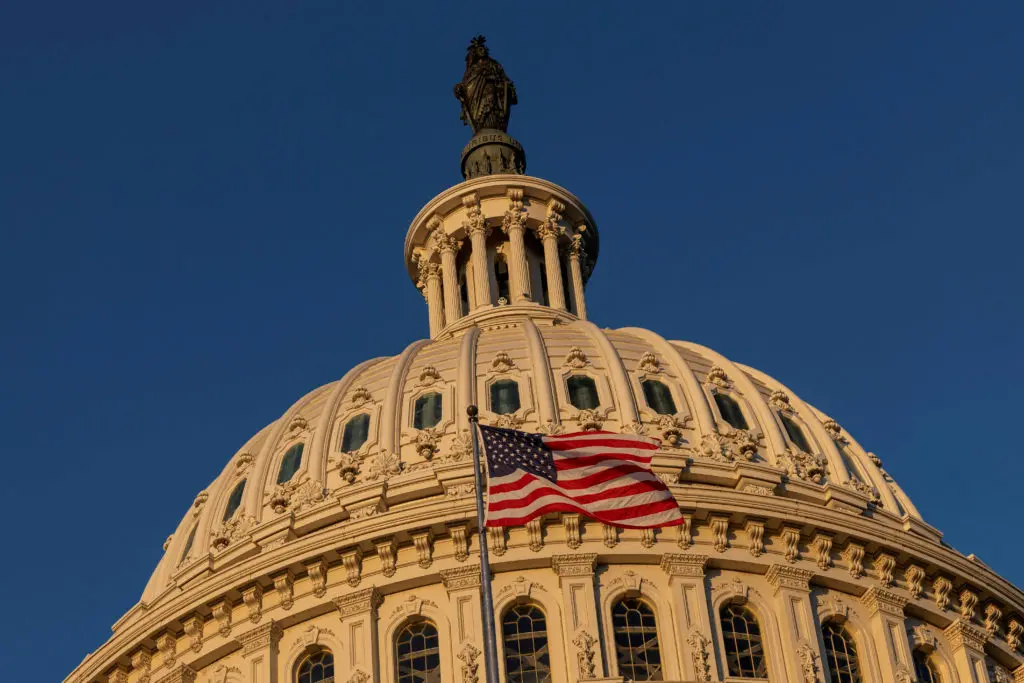
Legislative Initiatives Amid Political Shift
The immediate focus is a bipartisan bill. This legislation aims to speed up permits for critical infrastructure. This includes data centers and other major projects. The bill will undergo a procedural vote in the Senate. Both senators and the president support this effort. This is due to growing energy demand facing long delays, sometimes spanning several years.
Proposed Changes and Data Center Costs
The proposed changes would significantly shorten the timeline for large energy projects. This applies to both clean energy and fossil fuel initiatives. A key element mandates that data centers cover their energy consumption costs. Democrats voiced concerns over AI-powered data centers and rising electricity expenses. This spurred commitments to control these massive energy consumers. Senator Martin Heinrich stressed the urgency. He stated, „Citizens cannot afford to wait for lower electricity prices. We must pass this law now.” Clarifications on Permitting and Policy Direction Senator Sheldon Whitehouse detailed a specific provision. It ends prior forced buyout practices. The administration can no longer use public funds to compel clean energy developers to abandon wind power leases. Instead, they must invest in fossil fuels.
Environmental Concerns and Legal Review
Whitehouse added during a Monday press conference that the law is „a starting point, not the ceiling, of our climate and environmental aspirations.” Support and Opposition to the Bill Before the elections, Donald Trump urged senators to support the bill. He called it a „MAJOR VICTORY for U. S. ENERGY INDEPENDENCE AND DOMINANCE.”On Sunday, he posted that the law „will ensure we can build pipelines, mines, and power plants faster than ever, reducing energy costs for American families.”Industry groups, including clean energy developers and oil/gas producers, back this package.
Significant opposition exists from environmental groups. They strongly criticize the bill. Their main argument is that it strengthens fossil fuel development. It weakens environmental protections and hinders community challenges to energy approvals. Prestigious groups like the Sierra Club and National Wildlife Federation oppose it. They worry about restricted judicial review and changes to the 1970 National Environmental Policy Act. This act requires government agencies to assess project impacts and allows public input before approval.
Political Dynamics and Amendments
Despite bipartisan backing, Democratic gains may complicate the path. Some Democrats argue they should prioritize clean energy laws that limit oil, gas, and mining expansion. Critics warn the current bill could boost LNG exports and allow unchecked data center growth. Before the vote, the four main proponents—two Democrats and two Republicans—proposed amendments Saturday. These senators, leading energy and environment committees, negotiated the agreement weeks prior. Senator Shelley Moore Capito and Mike Lee, along with Martin Heinrich and Sheldon Whitehouse, noted Americans are tired of rising utility bills while cost-reducing projects stall.
Democratic Leadership Stance
Last week, Democratic minority leader Hakeem Jeffries criticized the package. His representatives stated it does not meetcertain essential requirements. Trump previously supported expanding oil, gas, and coal production. He opposed offshore wind. He also claimed his administration paid energy companies properly.