Who Authorized the Critical Prisoner Exchange
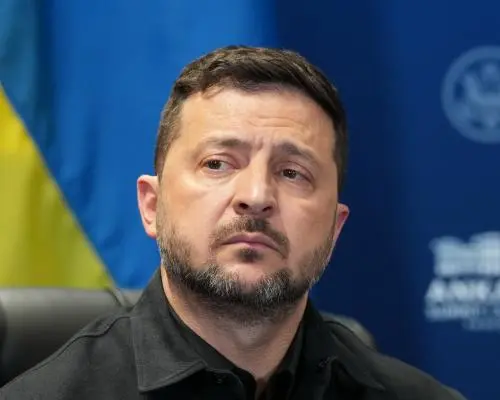
South Korea and Ukraine face a growing diplomatic rift over the status of two North Korean soldiers. President Volodymyr Zelensky recently addressed the United Nations General Assembly in New York. He stated that Ukraine had transferred these prisoners of war to the Republic of Korea. This claim has caused significant tension between the two allied nations. Seoul strongly disputes the accuracy of this specific description.
The core of the conflict lies in the phrasing used by the Ukrainian leader. Zelensky’s remarks implied a direct, formal handover of the detainees. However, South Korean officials insist this characterization is misleading. They argue that the transfer was not a simple diplomatic exchange. Instead, it involved complex legal and humanitarian considerations. The discrepancy has angered the South Korean government. They feel their role and the circumstances were misrepresented on a global stage.
The dispute centers on who agreed to what regarding the movement of the two soldiers. These individuals were captured while fighting on the Russian side of the conflict. Their presence in Ukrainian custody raised immediate legal questions. International law dictates specific protocols for handling prisoners from third countries. Seoul wanted to ensure all procedures were followed correctly.
Does the Wording Change Legal Responsibility?
Ukrainian authorities maintain that the transfer was a necessary step. They argued that keeping the North Korean soldiers in Ukraine was problematic. The soldiers reportedly did not wish to remain in Ukrainian detention. Their desire to leave necessitated finding an alternative destination. South Korea was the only logical option given their nationality. Yet, the manner of the announcement has soured relations.
Language in diplomacy carries immense weight. By using the word „sent,”Zelensky may have shifted perceived responsibility. Seoul fears this phrasing suggests they requested or demanded the prisoners. In reality, the South Korean government acted as a recipient. They accepted the individuals to facilitate their return home. The subtle difference matters for future diplomatic negotiations.
Officials in Seoul have demanded a clarification from Kyiv. They want a precise account of the communications exchanged. This includes any prior agreements or verbal assurances. Without clear records, the ambiguity persists. The tension highlights the fragile nature of their partnership. Both nations rely on each other for support in the broader geopolitical landscape.
Frequently Asked Questions
The fallout from this incident could complicate future cooperation. Trust is a critical component of any alliance. Misunderstandings over such specific details can erode that trust. Both sides must now work to repair the diplomatic damage. A joint statement may be required to clarify the facts. Until then, the dispute remains an open sore in their relationship.
Why is South Korea angry about the UN speech? Seoul objects to the phrase „sent to the Republic of Korea.”They believe it misrepresents the voluntary nature of the transfer. The wording implies a forced handover rather than a humanitarian arrangement.
What happened to the two North Korean soldiers? The two men were captured fighting for Russia. They were held in Ukrainian custody before being transferred. They have since been handed over to South Korean authorities for repatriation.