Why the Financial Structure Fails
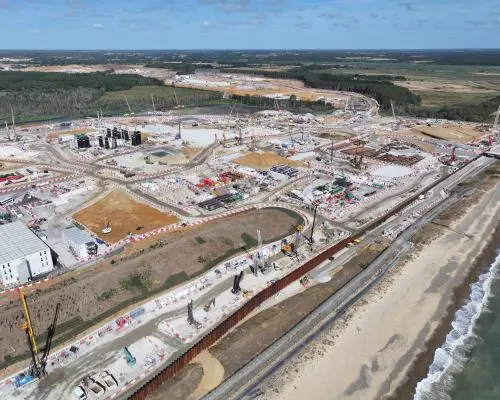
The UK government’s plan to fund a multibillion-pound nuclear power plant at Sizewell in Suffolk is a poor financial bet, according to official watchdogs. The Public Accounts Committee has issued a stark warning regarding the long-term fiscal burden. This assessment targets the specific reactor project known as Sizewell C. The committee believes the risk to the public purse is extraordinary.
The government intends to support the construction of this new nuclear facility. The project aims to add significant capacity to the national grid. However, critics argue the financial structure is flawed. The Public Accounts Committee, often called the spending watchdog, reviewed the deal. They concluded that the arrangement exposes taxpayers to undue risk. This risk will persist for the remainder of the century. The committee’s report highlights severe concerns about value for money.
The core issue lies in how the project is financed. The government is backing a private sector venture with public funds. This model transfers significant financial risk from the developer to the state. If the plant underperforms or costs overrun, taxpayers absorb the loss. The committee described the risk profile as „extraordinary.”They noted that the deal lacks sufficient safeguards. The long-term nature of nuclear energy amplifies these vulnerabilities. Regulatory changes or market shifts could impact profitability. The government’s commitment locks in high costs for decades. This creates a rigid liability for future budgets.
What Happens If Risks Materialize
MPs on the committee expressed deep concern over the lack of transparency. They questioned the basis for the government’s financial projections. The analysis suggests the current agreement is not robust. It fails to protect the public interest adequately. The committee urged the government to renegotiate terms. They want stricter conditions to mitigate potential losses. Without these changes, the fiscal exposure remains too high. The report serves as a formal rebuke to the current strategy.
The potential consequences of a failed deal are severe. Taxpayers could face higher taxes or reduced public services. The cost of building and operating nuclear plants is immense. Any delay or technical failure adds to the bill. The government currently promises that the project will be profitable. However, the watchdog disputes this optimism. They believe the probability of cost overruns is significant. This could drain billions from the national treasury over time.
Frequently Asked Questions
The government has yet to respond to the committee’s specific demands. They must decide whether to accept the current terms. Alternatively, they could seek to amend the contract. Failure to act leaves the status quo in place. The Sizewell C project remains a cornerstone of the energy strategy. Yet, its financial foundation is now under serious scrutiny. The debate highlights the tension between energy security and fiscal responsibility.
Who is warning about the Sizewell deal? The Public Accounts Committee issued the warning. This body acts as the government’s spending watchdog. They reviewed the financial risks associated with the project.
Why is the risk considered extraordinary? The risk is high because the government is backing a long-term private venture. Taxpayers bear the cost if the project fails or exceeds budget. The duration of the commitment extends into the next century.