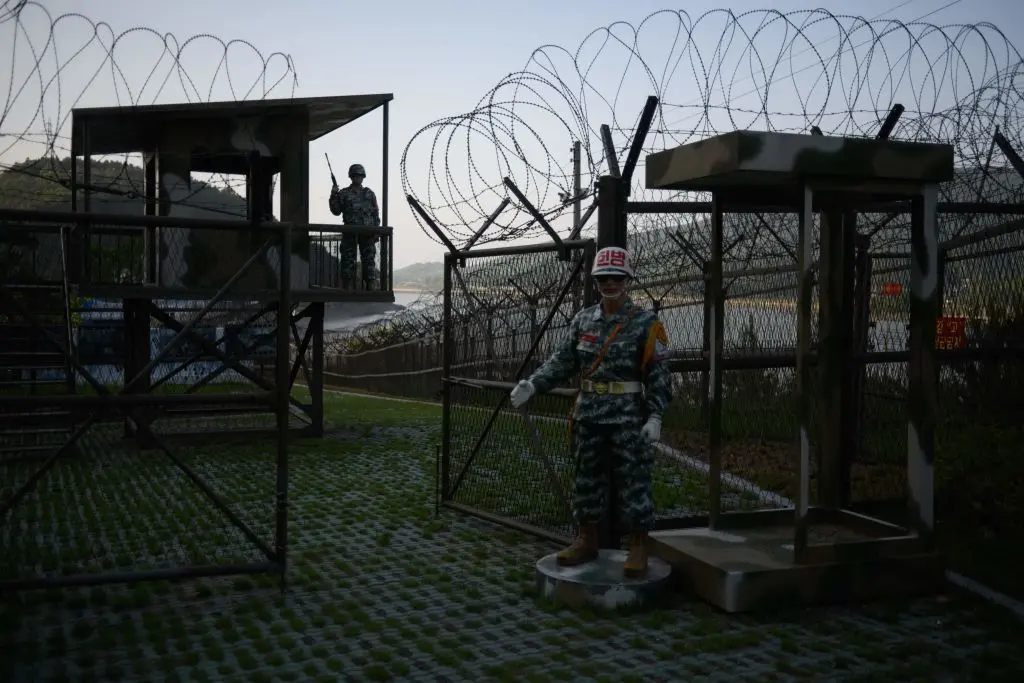
Diplomatic Stakes Behind the Prisoner Dispute
On September 23, Ukrainian President Volodymyr Zelensky addressed the United Nations General Assembly, accusing North Korea of supplying military equipment to Russia for use in its war against Ukraine. His speech highlighted what Kyiv says is growing cooperation between Pyongyang and Moscow, deepening the already complex relationship between Seoul and its neighbor to the north.
The dispute centers on two individuals captured in separate conflicts but now entangled in broader geopolitical tensions. South Korea views them as citizens who defected or were abducted, while Ukraine sees them as potential leverage in negotiations involving North Korean support for Russian operations. Both governments are reluctant to back down, each framing the issue through its own national security lens.
Zelensky's UN address underscored intelligence reports suggesting North Korea has shipped artillery shells, missiles, and other munitions to Russia since early 2024. These transfers, according to Western analysts, have bolstered Moscow's ability to sustain prolonged combat in eastern Ukraine. For South Korea, however, the concern runs deeper—Pyongyang's actions threaten regional stability and raise questions about Seoul's own vulnerability to external interference.
Can Mediation Reconcile Competing Claims?
Seoul has historically balanced engagement with North Korea against firm defense policies. But recent developments have pushed the government toward a harder line. Officials argue that failing to act decisively could embolden further North Korean adventurism, not only across the DMZ but also in support of allies like Russia. Meanwhile, Ukraine insists that any resolution must include accountability for those enabling aggression on European soil.
Efforts to mediate have so far stalled. Neutral parties, including several European diplomats, have proposed third-party oversight of the prisoners' status. Yet both sides remain skeptical. South Korea demands full transparency from Pyongyang regarding all abductees, past and present. Ukraine, meanwhile, seeks guarantees that no individual is being used as a bargaining chip by hostile actors.
The standoff reflects wider challenges in managing cross-border crises where humanitarian concerns intersect with strategic interests. As winter approaches and fighting intensifies in Ukraine, pressure mounts on all involved to find a path forward—one that respects sovereignty while addressing legitimate grievances.
The outcome will likely shape future cooperation between Seoul and Kyiv, particularly in intelligence sharing and joint responses to rogue-state threats. It may also influence how other nations navigate similar dilemmas when allies face overlapping security crises.
Frequently Asked Questions
What role does North Korea play in this prisoner dispute? North Korea is suspected of holding individuals relevant to both South Korea and Ukraine, possibly using them as diplomatic leverage amid its military ties with Russia.
Why did Zelensky bring this up at the UN? He aimed to expose alleged North Korean arms transfers to Russia and rally international condemnation during his high-profile appearance at the General Assembly.
Are there ongoing negotiations to resolve the situation? Diplomatic channels remain active, but no formal agreement has emerged, with both sides maintaining firm positions rooted in national interest and historical grievances.