The Gap Between Diplomacy and Trade
Madrid has emerged as one of Israel's most vocal critics regarding the ongoing conflict in Gaza. Alongside nations like Colombia and South Africa, the Spanish government frequently condemns military operations. However, despite this aggressive diplomatic stance, the country has struggled to translate its harsh political rhetoric into meaningful economic sanctions.
Spain’s official position remains firmly rooted in humanitarian advocacy. Government leaders have publicly criticized the scale of destruction in the Palestinian territories. Nevertheless, the actual trade relationship between Madrid and Jerusalem remains largely intact. Policymakers face significant hurdles when attempting to align their foreign policy goals with existing commercial agreements and international trade obligations.
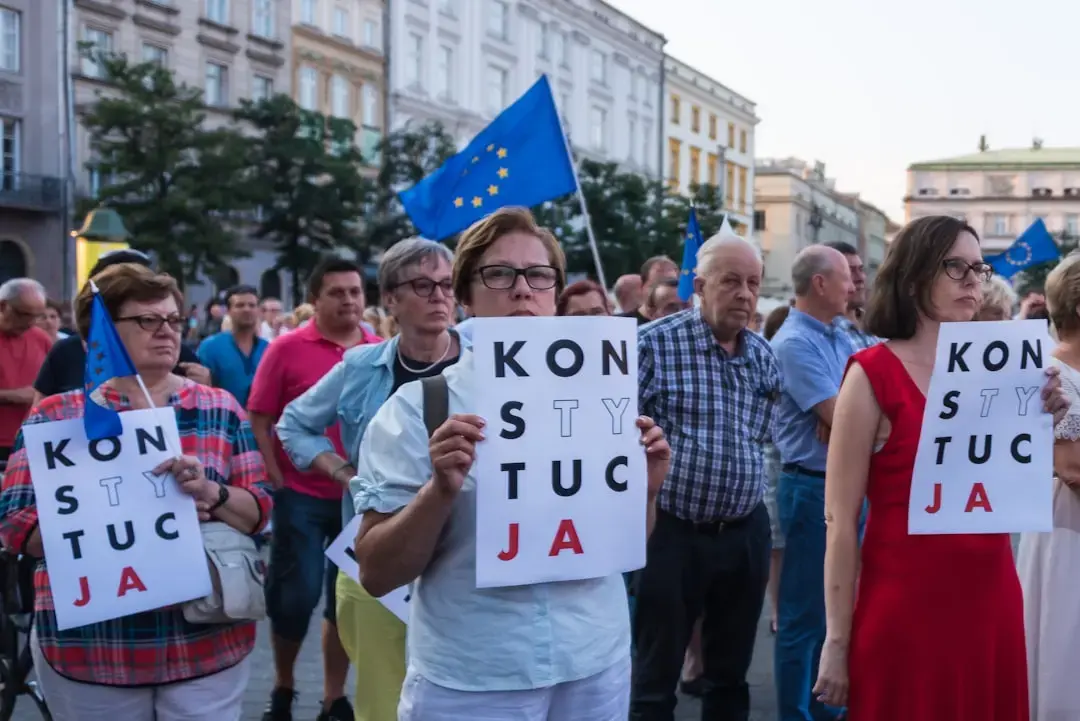
The disconnect highlights a broader challenge for European nations attempting to exert pressure on the Middle East. While public protests in Spanish cities call for immediate action, the government must navigate complex European Union trade regulations. These legal frameworks often prevent individual member states from imposing unilateral economic penalties on foreign trading partners.
Can Political Pressure Influence Policy?
Consequently, Spanish officials find themselves caught in a difficult position. They maintain a strong moral stance on the international stage while domestic industries continue to engage in business as usual. This duality has drawn criticism from activists who argue that verbal condemnation is insufficient without concrete financial consequences for the Israeli government.
The effectiveness of Spain’s approach remains a subject of intense debate among political analysts. Some experts suggest that Madrid’s vocal opposition serves as a vital signal to the international community. Others argue that without tangible economic pressure, such statements are unlikely to alter the strategic decisions made by military leaders in the region.
Frequently Asked Questions
As the conflict continues, the Spanish government faces growing pressure to reconcile its words with its actions. Whether Madrid will eventually pursue stricter trade measures or continue its current path of vocal but non-punitive diplomacy remains uncertain. The situation reflects the inherent limitations of using foreign policy rhetoric to influence long-standing geopolitical alliances.
Why has Spain not imposed comprehensive sanctions on Israel? Spain is bound by European Union trade policies that limit the ability of individual member states to impose unilateral economic sanctions on international partners.
Does Spain's vocal criticism impact its trade with Israel? Currently, there is little evidence that Spain’s political stance has significantly disrupted the existing commercial and economic ties between the two nations.