Unaffordable Living Fuels Political Instability
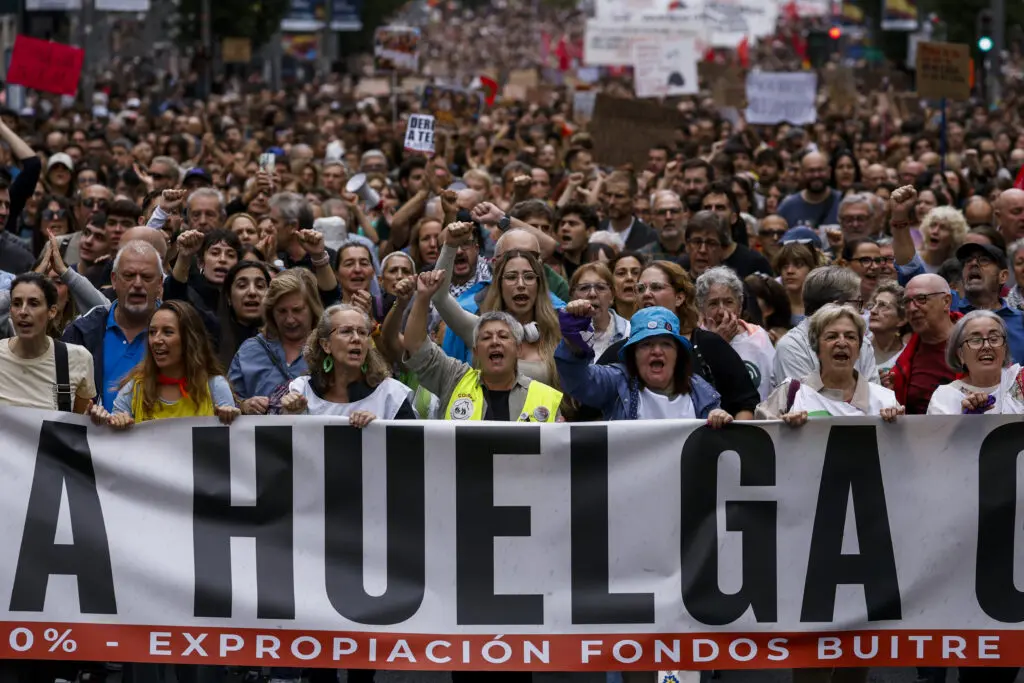
Thousands of Spaniards took to the streets this week to protest the severe housing crisis. The demonstrations occurred while Prime Minister Pedro Sánchez considered calling a snap parliamentary vote. Protesters expressed deep frustration with the current political establishment. They demanded immediate action to make housing affordable for ordinary citizens. The timing of these marches coincides with intense political uncertainty in Madrid.
The protests highlight a growing disconnect between the government and the public. Many residents feel priced out of their own cities. Rising rents and property values have made stable housing unattainable for many workers. The demonstrations serve as a direct challenge to Sánchez's administration. They signal that economic concerns are now overriding traditional party loyalties. The political stakes have risen significantly due to this social unrest.
The housing emergency has become a central issue in Spanish politics. Recent data shows a sharp increase in average rent prices across major urban centers. Young people and low-income families are particularly affected by this trend. They struggle to find decent accommodation within their budget. The government faces pressure to implement stricter rent controls. Critics argue that current measures are insufficient to curb market speculation.
Can Political Change Solve the Housing Emergency?
Sánchez is currently evaluating the risks and benefits of an early vote. A snap election could provide a fresh mandate to tackle these issues. However, it also risks further political fragmentation. Opposition parties are capitalizing on public anger to gain support. They promise more aggressive intervention in the real estate market. The outcome of these negotiations will shape the next phase of Spanish governance.
The likelihood of a snap vote remains uncertain but increasingly plausible. Political analysts suggest that Sánchez may use the protests to justify decisive action. He aims to present himself as a champion for the working class. This strategy could help consolidate his base ahead of potential elections. However, it may also alienate center-right voters who support market-driven solutions. The balance of power in the Spanish parliament could shift dramatically.
The consequences of inaction are becoming increasingly clear. Social unrest threatens to destabilize the broader economic environment. Investors are watching the situation closely for signs of policy change. A successful resolution requires a multi-faceted approach to housing policy. This includes increasing supply, regulating rents, and providing social support. The coming months will determine whether Spain can address this critical challenge.
Frequently Asked Questions
Why are Spaniards protesting against the housing crisis? Protesters are demanding lower rents and more affordable housing options. They are frustrated by rising costs that make living in major cities difficult.
Is Pedro Sánchez planning to call an early election? Sánchez is currently weighing the option of a snap vote. This decision aims to address political uncertainty and respond to public pressure.
What specific actions are protesters demanding from the government? They are calling for stricter regulations on real estate speculation. They also want increased investment in public and social housing projects.