Protests had erupted in cities like Barcelona and Valencia
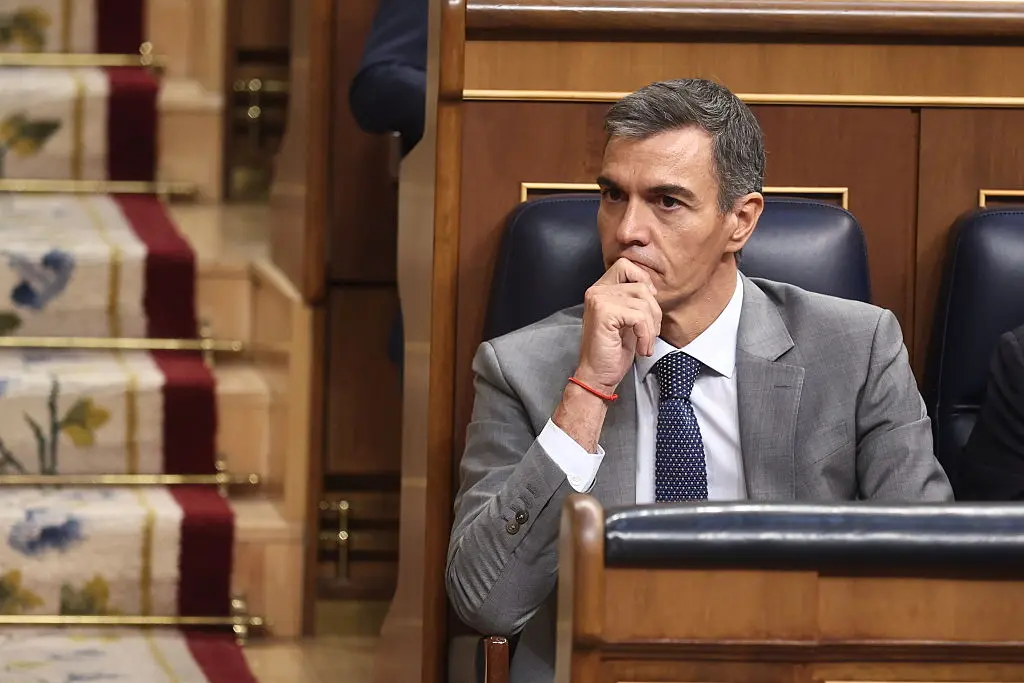
Pedro Sánchez, the Prime Minister of Spain, announced early general elections on Monday following the rejection of two critical housing measures by parliament last week. The vote took place in the Congress of Deputies in Madrid amid growing public anger over soaring rents and a deepening housing affordability crisis. Sánchez framed the move as necessary to break a legislative deadlock that has blocked urgent reforms. The defeated decrees aimed to cap rent increases in high-demand areas and expand public housing construction, policies Sánchez had promoted as central to his government’s social agenda. Their failure came despite weeks of negotiations with coalition partners, highlighting deep divisions within the ruling alliance.
Protests had erupted in cities like Barcelona and Valencia, with tenant unions demanding immediate action to curb speculative pricing and evictions. Why Did the Housing Measures Fail in Parliament? The reforms faced opposition not only from conservative parties but also from regional allies concerned about overreach into housing policy, which Spain’s constitution largely delegates to its 17 autonomous communities. Sánchez accused the opposition of prioritizing property interests over tenants’ rights, while critics argued the decrees lacked legal clarity and risked discouraging investment. The narrow margin of defeat underscored the fragility of his minority government, which relies on shifting support from smaller parties. What Are the Risks of Holding a Snap Election Now? Calling elections less than a year after the last vote could backfire if voters perceive Sánchez as avoiding accountability for economic struggles, particularly inflation and youth unemployment.
Recent polls show his Socialist Party trailing the conservative Popular Party
Recent polls show his Socialist Party trailing the conservative Popular Party, though gains by far-left and far-right factions could further fragment parliament. Analysts warn that prolonged instability might delay recovery efforts in a country still grappling with post-pandemic debt and regional tensions. Frequently Asked Questions What specific housing decrees were rejected by parliament? The blocked measures included a rent control extension for tense housing zones and a bill to accelerate public housing construction through state land mobilization and subsidies for affordable builds. How do rising rents compare to income growth in Spain? According to recent data, average rents in major cities have risen over 40% since 2020, while wages have grown less than 15%, widening the gap between housing costs and household earnings. Could the election result lead to a change in Spain’s housing policy approach?
A victory for the Popular Party would likely shift focus toward market-friendly incentives and deregulation, whereas a strengthened left-wing bloc might push for stricter rent controls and expanded social housing quotas.