The Justification for a 20% Toll
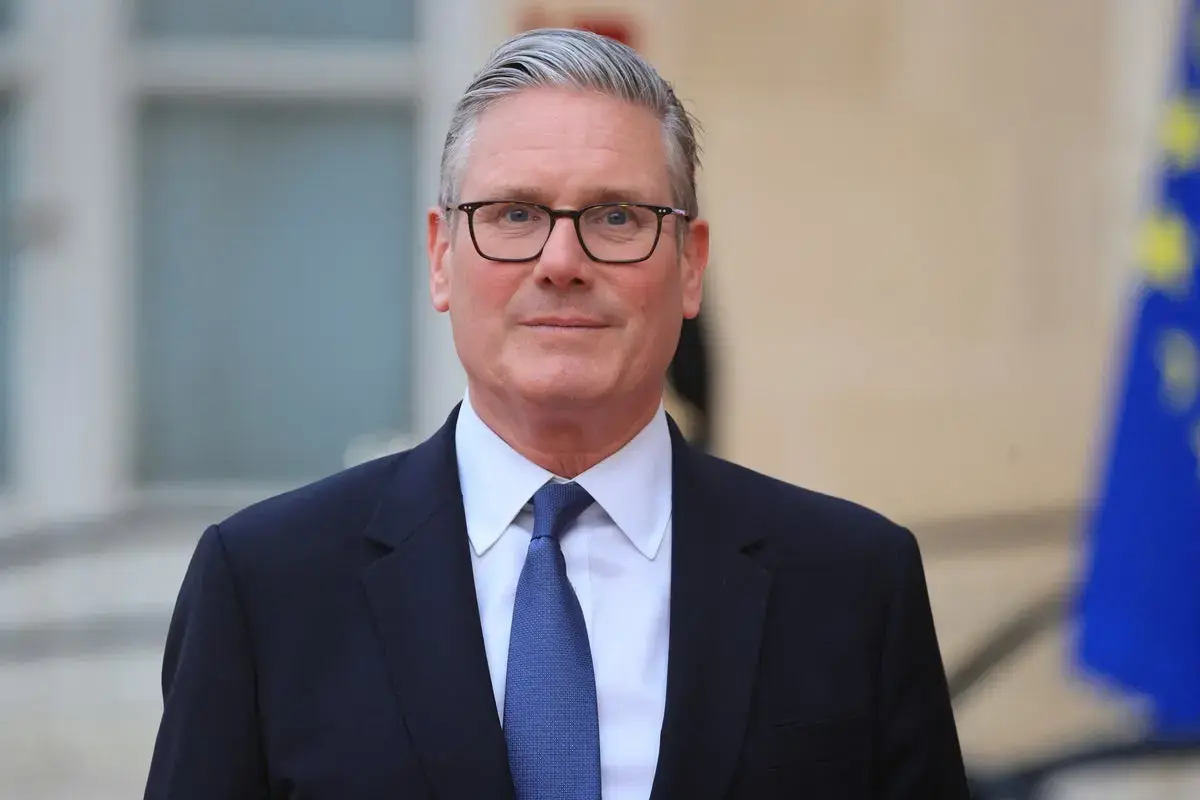
Sir Keir Starmer has voiced his concerns regarding recent attacks in the Strait of Hormuz. His comments follow a controversial suggestion from the US President. The President proposed charging a 20% toll on cargo passing through the vital waterway.
This proposed fee, according to the US President, would cover the costs of security in the Gulf channel. He argued it was a matter of „fairness.”The Strait of Hormuz is a critical shipping lane for global trade.
The US President believes that nations benefiting from the Strait's security should contribute financially. This 20% levy would apply to all cargo. The funds would then be used to maintain naval presence and safeguard shipping.
What Are the Potential Repercussions of a Shipping Toll?
Critics, however, fear such a toll could escalate tensions. It might also increase costs for consumers worldwide. Sir Keir's remarks highlight the international unease surrounding this proposal.
Implementing a 20% toll could significantly impact global supply chains. Shipping costs would rise, potentially leading to higher prices for goods. It might also provoke a strong reaction from countries reliant on the Strait for oil and other commodities. Such a move could destabilize an already volatile region.
The situation remains fluid, with international leaders closely monitoring developments. The debate over who should bear the cost of security in crucial waterways continues.
Frequently Asked Questions
What is the Strait of Hormuz? The Strait of Hormuz is a narrow sea passage between the Persian Gulf and the Gulf of Oman. It is one of the world's most strategically important choke points for oil shipments.
Why is a 20% toll being considered? The US President suggested a 20% toll to offset the costs of providing security for cargo ships in the Strait. He views it as a fair contribution from nations benefiting from the protected passage.
What are the main concerns about this proposed toll? Concerns include potential increases in global shipping costs and consumer prices. There are also worries about escalating geopolitical tensions in the Middle East due to such a levy.