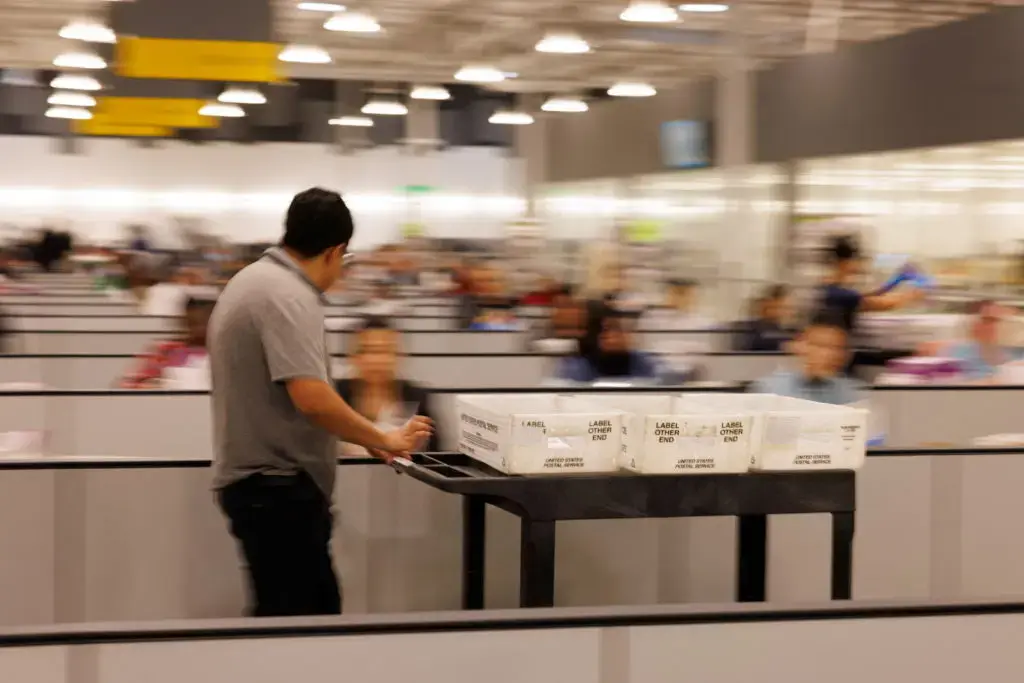
Challenging the Status Quo
The US Supreme Court has rejected a challenge led by Republicans to count mail-in ballots received after Election Day. The decision applies to more than half of the states, which allow late-arriving ballots to be counted under certain circumstances. This ruling was made in response to a lawsuit filed by Republican groups.
The lawsuit, backed by President Trump's campaign, argued that states should not count mail-in ballots received after Election Day. However, the Supreme Court declined to intervene, effectively allowing states to continue their existing practices. More than 20 states have laws or court rulings that permit the counting of late-arriving mail-in ballots.
Can Late Ballots Be Trusted?
Critics of the practice argue that counting late ballots can lead to delays and uncertainty in the electoral process. On the other hand, supporters argue that mail-in ballots are a crucial aspect of ensuring voter access, particularly during the COVID-19 pandemic. The Supreme Court's decision effectively leaves the decision on late ballots to individual states.
Frequently Asked Questions
The ruling is likely to have significant implications for the upcoming presidential election, with millions of voters expected to cast their ballots by mail. As the election approaches, the issue of mail-in ballots is likely to remain a contentious one.
What is the Supreme Court's ruling on late mail-in ballots? The Supreme Court has ruled that states can count mail-in ballots received after Election Day, rejecting a challenge led by Republicans. How many states allow late-arriving mail-in ballots to be counted? What is the main argument against counting late mail-in ballots?