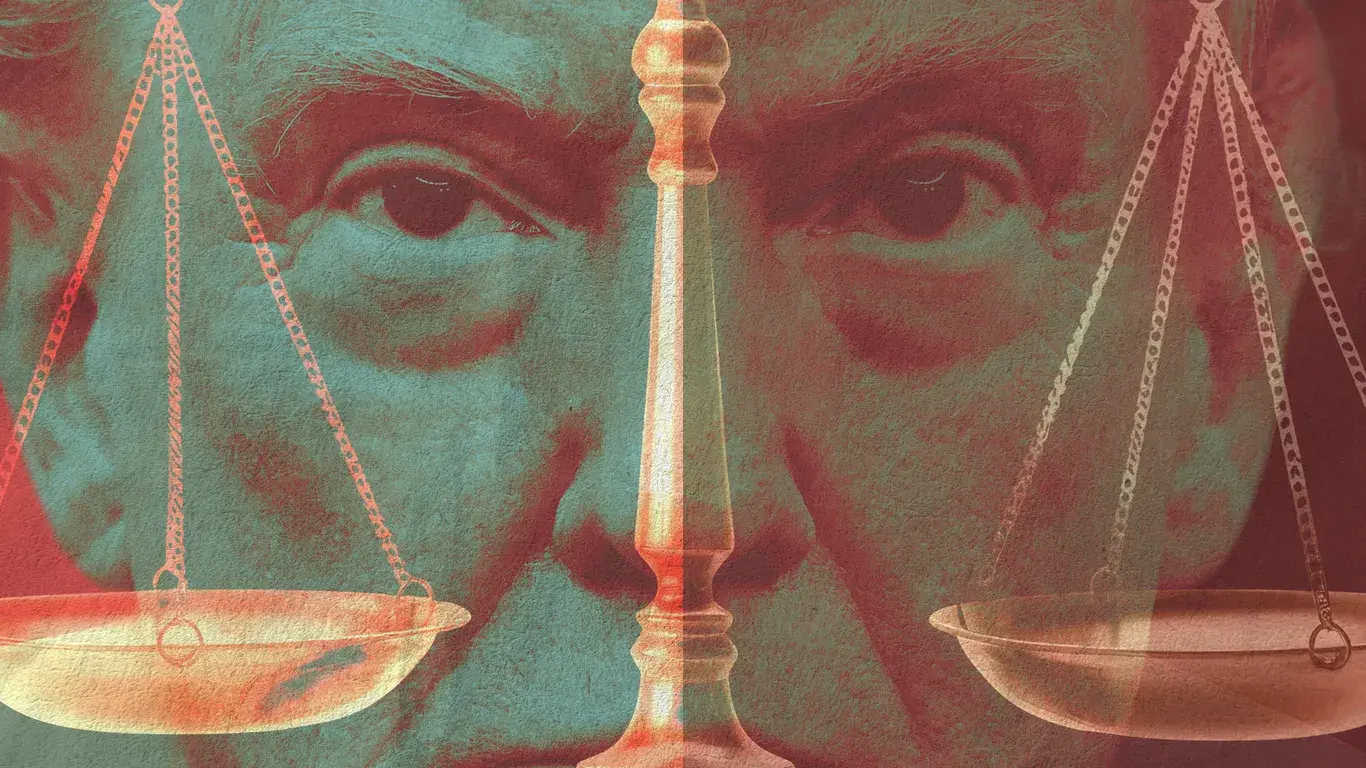
Immigration and Executive Power Take Center Stage
The Supreme Court's new term opens on Monday, with justices preparing to hear cases that could shape national policy on immigration, climate change, and firearms regulation. The docket includes challenges tied to President Trump’s executive actions, reflecting ongoing legal tensions from his previous administration. While the formal proceedings unfold in the courtroom, attention is also turning to Trump’s public commentary on Truth Social, where his reactions to judicial decisions have grown increasingly vocal and confrontational.
Among the most significant cases is a challenge to Trump-era immigration policies, particularly those restricting asylum seekers and expanding expedited removal. Lower courts have issued conflicting rulings on whether the president exceeded his authority in implementing these measures. The justices will now determine the scope of executive power in immigration enforcement, a question that has repeatedly divided the Court along ideological lines. Environmental groups are also watching closely, as several climate-related lawsuits seek to hold federal agencies accountable for rolling back emissions standards.
How Will the Court Respond to Rising Political Pressure?
Beyond the legal arguments, the Court faces growing scrutiny over its perceived legitimacy, especially as Trump continues to criticize rulings unfavorable to his agenda. His frequent posts on Truth Social have included accusations of judicial bias and calls for justices to recuse themselves in cases involving him. While the justices maintain they decide cases based on law and precedent, the external pressure raises questions about how politicized the Court appears to the public. Legal scholars warn that sustained attacks could erode trust in judicial institutions, even if the Court’s decisions remain legally grounded.
What cases are the justices hearing in the new term? The Court will review challenges to Trump-era immigration rules, climate change litigation involving federal agency actions, and Second Amendment cases concerning gun restrictions. These cases could redefine the limits of executive authority and individual rights.
Frequently Asked Questions
Why is Truth Social relevant to the Court’s work? Trump’s increasing activity on Truth Social, where he criticizes judicial decisions and justices, has drawn attention to the intersection of politics and the judiciary. While the Court insists it is immune to public pressure, such rhetoric may influence public perception of its impartiality.
How might these rulings affect future presidencies? Decisions on executive power in immigration and environmental policy could set precedents that constrain or empower future presidents, regardless of party. The Court’s stance may clarify how much unilateral action a president can take without congressional approval.