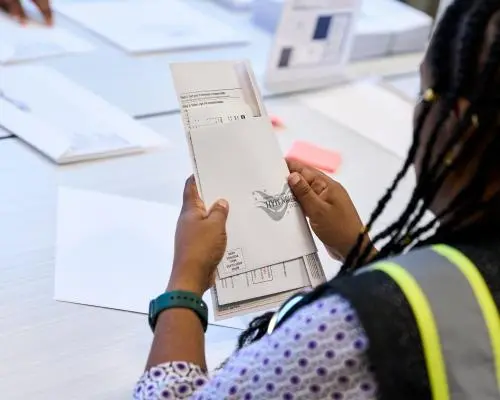
Narrow Ruling Leaves Broader Questions Unanswered
The United States Supreme Court recently upheld a lower court order blocking postal service restrictions on mail-in ballots. This decision was reached last week and immediately sparked debate among legal experts. While many view it as a significant step for voter access, the ruling relies heavily on specific timing details. The case centers on new rules proposed for handling election mail. Consequently, the victory is considered provisional rather than permanent.
The core of the judicial decision hinges entirely on the proposed timeline for implementing the new voting regulations. By focusing on this narrow procedural aspect, the justices avoided a broader constitutional ruling. This approach leaves the fundamental question of voting rights largely unresolved. Legal analysts suggest that this strategy allows the court to maintain neutrality while providing immediate relief to voters. The restraint order remains in effect until further notice.
Senator Chuck Schumer praised the outcome, describing it as one of the most important cases for protecting electoral integrity. He argued that the decision safeguards the ability of citizens to cast their votes without undue administrative hurdles. Other political commentators echoed this sentiment, viewing the move as a check against executive overreach in election administration. However, voting rights advocates remain cautious. They note that the decision does not establish a permanent precedent for future disputes. The current protection depends on the specific circumstances of this particular case.
Will Future Elections Face Similar Legal Battles?
The ruling highlights the complex relationship between federal agencies and state-level election processes. The United States Postal Service had proposed changes that critics feared would delay or complicate the return of ballots. The district court initially issued the restraining order to prevent these changes from taking effect during a critical period. The Supreme Court’s agreement with the lower court signals support for maintaining the status quo temporarily. Yet, this does not guarantee that similar restrictions will be blocked in future cycles.
Political parties on both sides are already preparing for potential challenges. Republicans may argue that the court’s focus on timing was too narrow. Democrats might push for a definitive ruling that explicitly protects mail-in voting mechanisms. The next major test could come during the upcoming general election cycle. If the proposed rules are revised or re-proposed, the legal landscape could shift dramatically. Advocates are urging Congress to consider legislative solutions to avoid repeated litigation. Without clear statutory guidelines, courts will continue to play a central role in defining voting procedures.
Frequently Asked Questions
The immediate consequence of this decision is that the existing voting protocols remain unchanged for now. Voters can expect the standard mail-in ballot process to continue under current oversight. However, uncertainty persists regarding long-term stability. Political strategists advise monitoring any new rule proposals closely. The fragile nature of this victory means that every future election could face renewed legal scrutiny. Stakeholders must stay engaged to protect the integrity of the democratic process.
Does this decision permanently ban mail-in ballot restrictions? No, the ruling is temporary and based on the specific timing of the proposed rules. It does not create a permanent constitutional standard for all future elections.
Who supported the decision the most? Democratic senators and voting rights groups have been the strongest supporters. They view the ruling as a crucial defense of voter access and electoral fairness.