Legal Shift in Border Enforcement
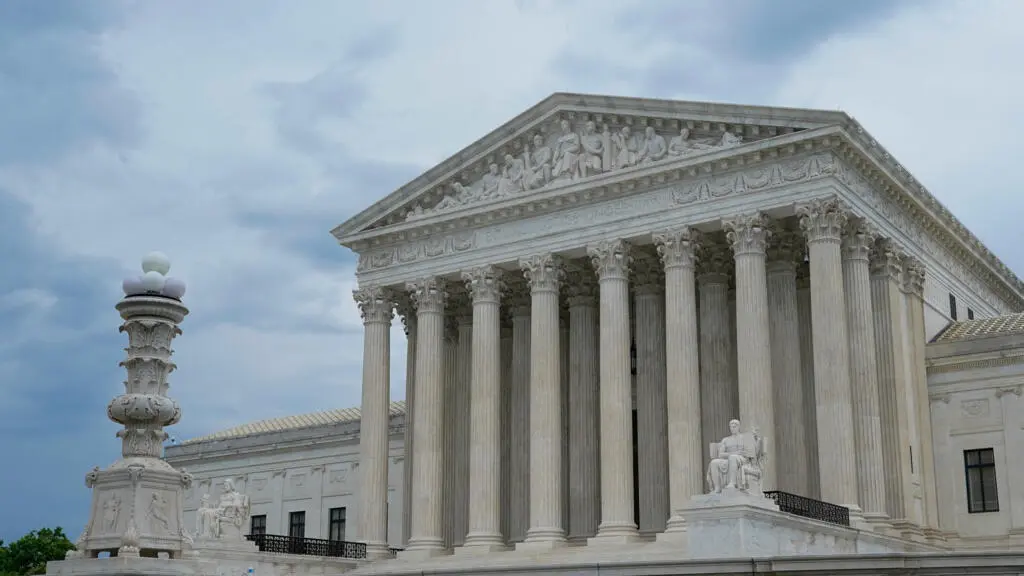
The United States Supreme Court issued a significant ruling on Tuesday, allowing the federal government to resume deporting asylum seekers to third-party nations. This decision grants the administration authority to enforce these removals while the judiciary continues to evaluate the long-term legality of the controversial immigration policy across the country.
The court’s conservative majority voted to temporarily lift existing legal safeguards that previously prevented the government from sending migrants to countries other than their nations of origin. This move effectively suspends protections that had been in place for individuals arriving at the southern border. The policy shift signals a major change in how the government manages the flow of asylum seekers during ongoing legal challenges.
Will This Ruling Alter Long-Term Asylum Access?
The administration had requested the high court’s intervention to bypass lower court rulings that had blocked the practice. By removing these restrictions, the government can now proceed with deportations to transit countries while the broader case remains under review. Supporters of the policy argue it is essential for maintaining border security and managing the high volume of arrivals. Critics, however, contend that the practice puts vulnerable individuals at risk by forcing them into nations where they may not have established safety or legal status.
The legal battle is far from over, as the Supreme Court has yet to issue a final verdict on the constitutionality of the policy. For now, the administration has a green light to continue its current deportation strategy. The decision creates immediate uncertainty for thousands of migrants currently navigating the asylum process. Observers expect further litigation as human rights organizations prepare to challenge the implementation of these removals in lower courts. The ultimate outcome of this case will likely set a lasting precedent for how the United States handles international asylum obligations.
Frequently Asked Questions
What does the Supreme Court ruling change for migrants? The ruling allows the government to deport asylum seekers to third countries instead of their home nations while legal challenges continue. This removes previous safeguards that prevented such transfers.
Is this decision permanent? No, it is a temporary measure while the Supreme Court considers the legality of the practice. A final ruling on the policy's constitutionality is expected at a later date.