Why the Amendment Failed
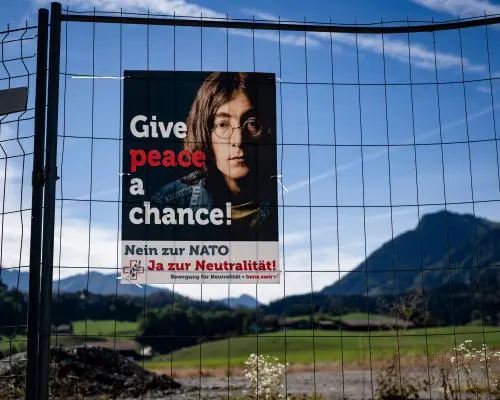
In a decisive referendum held on March 21, Swiss citizens voted against embedding a rigid neutrality clause in the constitution. The proposal would have tightened Switzerland’s stance on international affairs, limiting cooperation with NATO and ending sanctions imposed on Russia. About 70 % of voters opposed the change, while all cantons cast a negative vote.
What Does This Mean for Swiss Foreign Policy?
The referendum followed years of debate over Switzerland’s long‑standing policy of armed neutrality. Proponents of the amendment, mainly from right‑wing circles, argued that a formal, stricter definition would safeguard national sovereignty and prevent the country from being dragged into foreign conflicts. Opponents contended that the existing flexible neutrality framework already protects Swiss interests and that the amendment would isolate the nation from global security cooperation, especially with NATO allies. The campaign highlighted concerns that the new clause could force Switzerland to abandon sanctions against Russia, potentially undermining international pressure on the Kremlin.
The rejection reflects a broader public sentiment that Switzerland’s current neutrality policy is sufficient. Many voters feared that a formal, inflexible clause would constrain diplomatic options and reduce the country’s ability to respond to evolving security threats. Analysts note that the referendum’s outcome signals a preference for maintaining Switzerland’s traditional role as a neutral mediator and humanitarian actor, rather than aligning more closely with military alliances. The campaign also drew attention to the potential economic repercussions of abandoning sanctions, which could strain trade relationships with European partners.
Frequently Asked Questions
The result preserves the status quo, allowing Switzerland to continue its selective engagement with NATO while upholding its non‑military commitments. The government will keep the ability to provide humanitarian aid, support peace negotiations, and participate in international security dialogues without formal constitutional constraints. However, the decision may prompt a reassessment of Switzerland’s strategic autonomy, especially as global tensions rise. Political leaders are expected to reaffirm the country’s neutral stance while exploring new avenues for cooperation that do not compromise its independence.