The Cost of Strict Non-Alignment
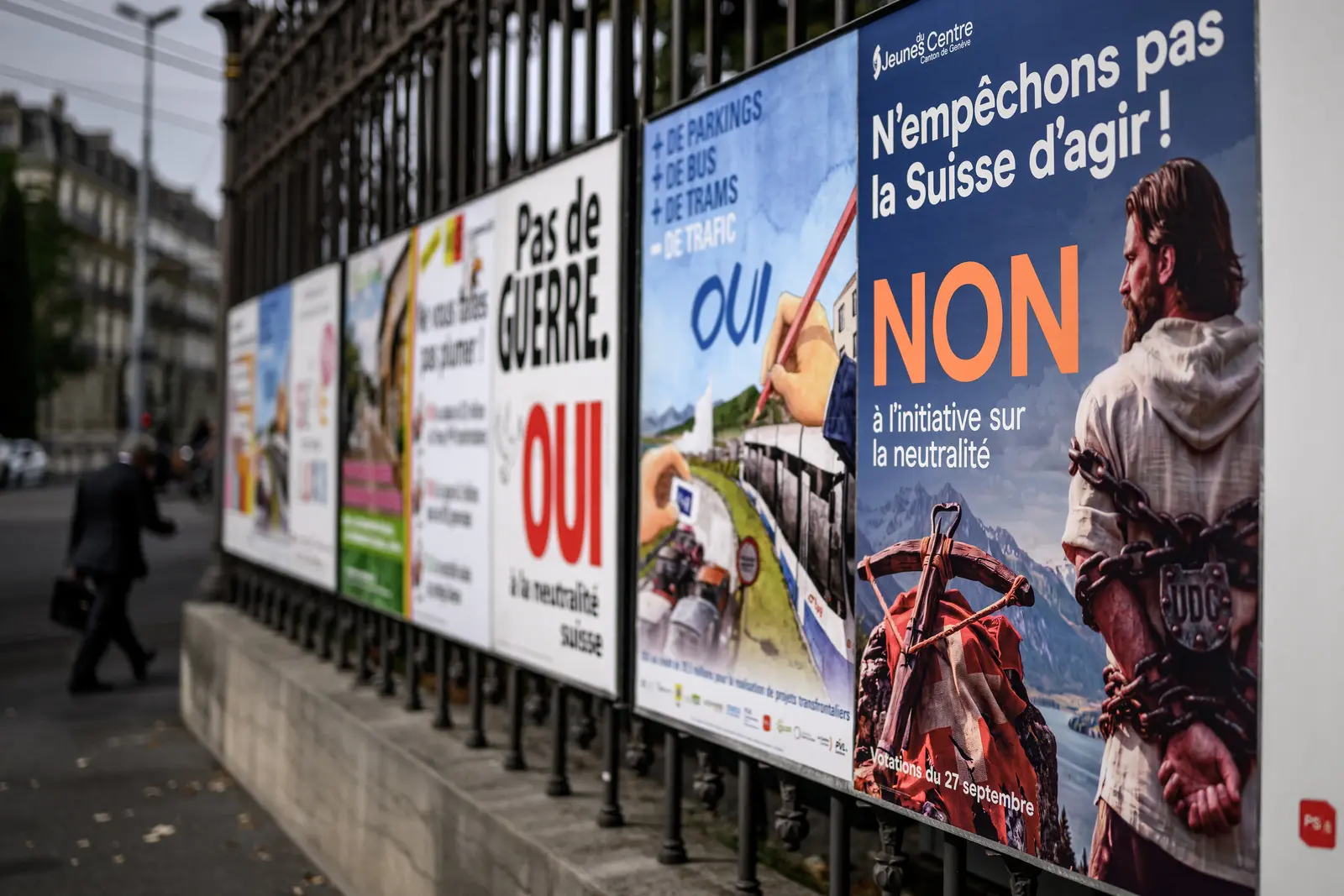
Swiss voters head to the polls to decide whether to enshrine stricter neutrality rules in their constitution. The historic referendum could fundamentally shift how the Alpine nation engages with global conflicts and international organizations, challenging a centuries-old tradition of military non-alignment.
The national vote arrives amid growing geopolitical tension across Europe. Proponents of the initiative argue that tighter legal restrictions are essential to protect the country from being drawn into foreign disputes. Critics, however, warn that rigid definitions could isolate Switzerland diplomatically and strain relations with key international partners.
Supporters of the constitutional amendment believe current policies have drifted too far toward major Western powers. They point to recent sanctions adopted against foreign aggressors as a departure from pure neutrality.
Can Modern Diplomacy Survive Absolute Isolation?
Opponents counter that economic stability depends heavily on maintaining strong ties with neighboring European democracies. They argue that absolute isolation would harm trade and diminish the nation's traditional role as a neutral mediator in global peace talks.
Government leaders have urged citizens to reject the proposal, warning it reduces flexibility during international crises. National security experts suggest that a rigid stance might prevent Switzerland from cooperating effectively on counter-terrorism and cyber defense.
Frequently Asked Questions
The referendum results will signal whether the public favors preserving traditional isolation or adapting to an increasingly interconnected security landscape. A victory for the initiative would force a major overhaul of Swiss foreign policy for decades to come.
What does the proposed initiative change? The initiative seeks to enshrine strict military and political non-alignment directly into the Swiss constitution, removing diplomatic flexibility.
Who supports the stricter neutrality rules? Proponents include conservative political groups and citizens who fear Switzerland is losing its independence through alignment with foreign sanctions.