Police Conduct Under Scrutiny
The Law Enforcement Conduct Commission has released preliminary findings regarding the February rally in Sydney. The investigation focused on protests against the visit of Israeli President Isaac Herzog. Authorities held the demonstration at Sydney Town Hall. The inquiry aimed to assess the behavior of both police and protesters during the event.
The report addresses widespread accusations of police brutality. However, it challenges the narrative that the crowd was aggressive. Investigators concluded that the majority of participants remained non-violent. This finding contradicts earlier claims that protesters incited chaos. The commission examined video footage and witness statements. They sought to determine who initiated physical confrontations.
The inquiry highlights a critical gap in the official record. While protesters were deemed largely peaceful, police actions remain under review. The commission is investigating whether officers used excessive force. Critics argue that the initial police response escalated tensions. They claim that tear gas and baton charges provoked the crowd. The LECC is currently analyzing these specific incidents.
Did Police Escalate the Conflict?
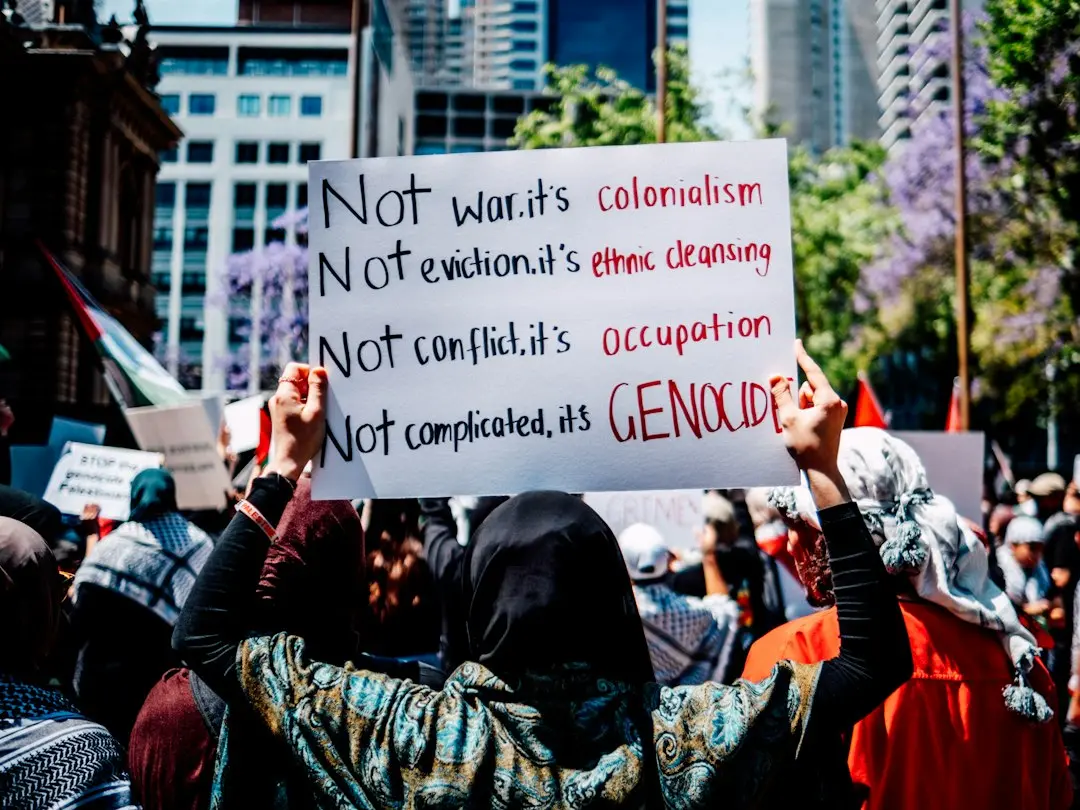
The context of the protest is vital to understanding the events. Many attendees opposed Israel's military actions in Gaza. They viewed Herzog's visit as symbolic of that conflict. The atmosphere in Sydney was charged with political tension. Local community groups supported the right to demonstrate. They emphasized the importance of peaceful assembly rights. The inquiry must balance these rights with public safety concerns.
The central question remains whether police tactics fueled the unrest. The report notes that physical violence from protesters was limited. This suggests that the primary source of conflict may have been state action. Investigators are looking at command decisions made on the day. They are reviewing whether officers had adequate training. The outcome could influence future policing strategies in Australia.
The findings have sparked debate among legal experts. Some argue that the report is too lenient on police. Others believe it provides a fair assessment of the facts. The LECC continues to gather evidence for its final determination. No charges have been filed yet based on these preliminary results. The process is ongoing and may take months to complete.
The consequences of this inquiry extend beyond the specific incident. It sets a precedent for handling large-scale political protests. Australian cities frequently host demonstrations on global issues. Clear guidelines are needed to manage these events safely. The government faces pressure to address police accountability. Transparency in the investigation process is crucial for public trust.
Frequently Asked Questions
What did the inquiry find about protester behavior? The Law Enforcement Conduct Commission determined that protesters were largely peaceful. There was limited evidence of physical violence from the crowd. This finding contradicts earlier allegations of widespread aggression.
Who is conducting the investigation? The Law Enforcement Conduct Commission (LECC) is leading the inquiry. They are examining the conduct of police during the February rally. The focus includes both protester actions and police responses.
Has the inquiry concluded its work? No, the inquiry is still ongoing. The released findings are preliminary. The commission continues to review evidence regarding police conduct and potential misconduct.