Strategic Market Stabilization Tactics
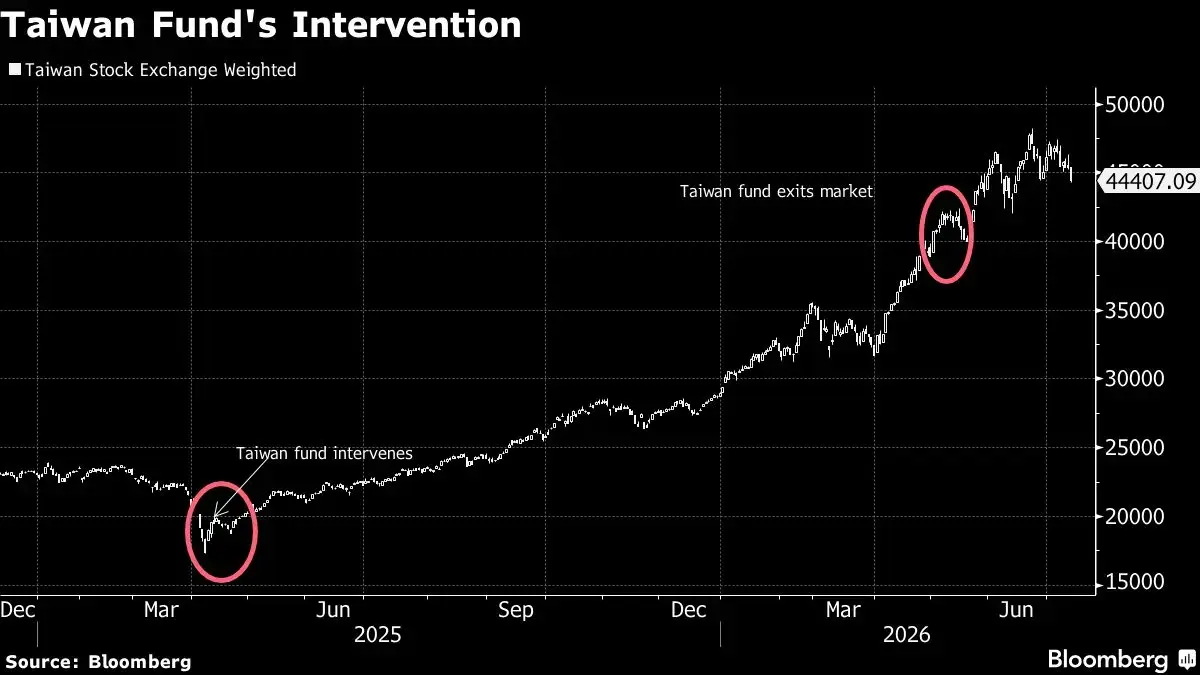
Taiwan’s government stabilization fund recently reported an 80 percent profit following a nine-month market intervention. The state-backed entity stepped into the stock market to protect local indices from volatility. This strategic move aimed to counter economic pressures and potential trade disruptions triggered by threatened tariff policies under the former Trump administration.
The fund’s intervention occurred during a period of significant global trade uncertainty. Officials deployed capital to prevent panic selling and maintain investor confidence in the island’s tech-heavy exchange. By acting as a buyer of last resort, the fund successfully stabilized the market while securing substantial financial returns for the public treasury.
The intervention lasted from late 2022 through mid-2023. During this window, the fund utilized its significant reserves to purchase shares in key sectors, including semiconductor manufacturing and electronics. These targeted investments helped buffer the exchange against external shocks. The decision to enter the market proved highly effective, as share prices rebounded sharply once global sentiment shifted.
Was Government Intervention a Necessary Gamble?
Financial analysts noted that the fund’s disciplined approach prevented a deeper market correction. By providing liquidity when private investors were hesitant, the government effectively set a floor for stock prices. The resulting 80 percent gain highlights the success of this state-led fiscal strategy in navigating complex geopolitical trade environments.
Critics often debate the role of state funds in private equity markets. However, the Taiwanese authorities argued that the potential for long-term economic damage outweighed the risks of market manipulation. The intervention was designed to protect the retirement savings of citizens and ensure the stability of the broader financial system.
Frequently Asked Questions
The success of this operation may set a precedent for future economic defense strategies. While the fund has since reduced its active presence in the market, it remains prepared to intervene if trade tensions escalate again. This windfall provides the government with additional capital to address future economic challenges and maintain domestic stability.
What was the primary goal of the stabilization fund? The fund aimed to prevent market crashes and maintain investor confidence during periods of intense trade volatility. It acted to stabilize the stock market when external political pressures threatened the island's economic health.
Did the intervention yield significant financial results? Yes, the fund reported an 80 percent profit after holding its positions for nine months. This gain was largely driven by the subsequent recovery of the tech sector and broader market indices.