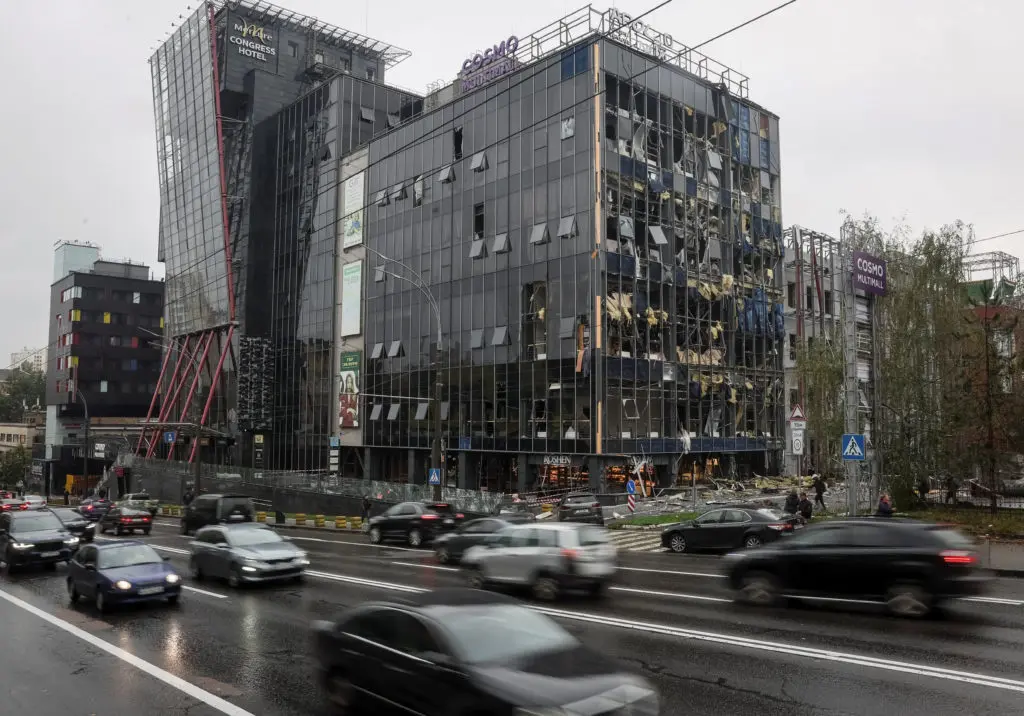
Diplomatic Friction Amidst Battlefield Brutality
Former President Donald Trump and Ukrainian leader Volodymyr Zelenskyy are locked in a deepening public confrontation. This political friction intensifies as Russia sustains its lethal military campaign against Ukraine. The diplomatic rift emerged this week, complicating international efforts to manage the protracted conflict and raising questions about future support for Kyiv.
The verbal sparring highlights a growing divide regarding the direction of the war. Trump has increasingly criticized Zelenskyy’s leadership and the scale of American involvement in the region. These remarks come at a precarious moment, as Russian forces continue to launch deadly strikes across Ukrainian territory, targeting both infrastructure and civilian populations.
The escalation follows months of strained communication between the two figures. Trump has questioned the necessity of continued financial and military aid, suggesting a shift in strategy if he regains influence. Meanwhile, the Ukrainian government remains focused on securing sustained Western support to repel ongoing Russian advances.
Will Political Hostility Undermine Global Security?
Military analysts note that the political instability in Washington complicates Ukraine’s defense posture. As Russian artillery and drone strikes intensify, the need for consistent international backing becomes more critical. The rhetoric from the U. S. political stage is now directly influencing the morale and strategic calculations of leaders in Kyiv.
The cooling relationship threatens to fracture the unified front maintained by NATO allies. If the U. S. distances itself from Ukraine, the geopolitical landscape in Eastern Europe could shift dramatically. Observers fear that such a divide provides an opening for Russia to solidify its territorial gains and prolong the humanitarian crisis.
Frequently Asked Questions
The long-term consequences remain uncertain as both leaders hold firm to their respective positions. Whether this conflict of words will translate into a tangible policy shift remains the central question for international observers. The stability of the region depends heavily on how these political tensions resolve in the coming months.
What is the primary cause of the tension between Trump and Zelenskyy? The friction stems from fundamental disagreements over the scale of U. S. military aid and the effectiveness of Ukraine's current war strategy. Trump has publicly questioned the commitment of resources, while Zelenskyy views continued support as essential for national survival.
How does this conflict affect the war on the ground? Political instability in Washington creates uncertainty for Ukrainian commanders regarding future resource availability. This uncertainty can complicate long-term defensive planning while Russian forces continue their relentless offensive strikes.