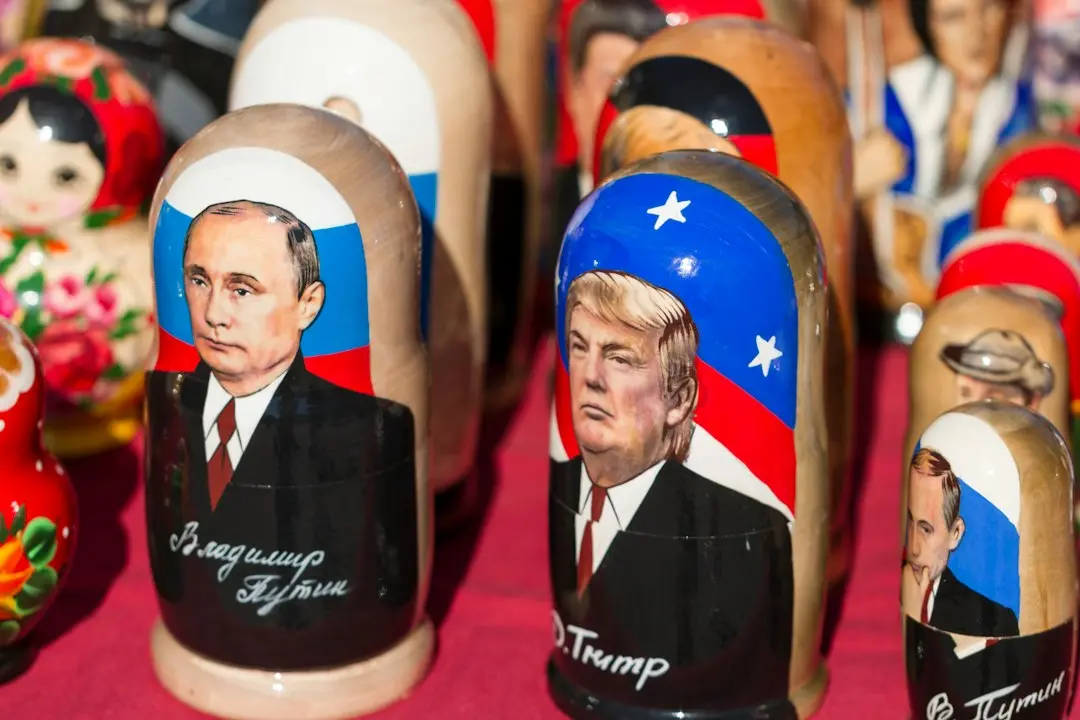
The Opportunity for a Trump, Xi, and Putin Summit
The mere prospect of this gathering has sparked widespread concern. Polish Foreign Minister Radoslaw Sikorski warned against a repeat of the 1945 Yalta Conference. At Yalta, U. S. President Franklin Roosevelt and British Prime Minister Winston Churchill yielded to Soviet leader Joseph Stalin’s demands. Senator Chris Coons posted on X that Ukraine must be at the table. He argued no real negotiations are possible while Trump signals weakness to Xi and Putin. These fears are justified. Trump has a history of favoring autocrats over democratic allies. If he sits with Xi and Putin, he must avoid selling out European and Asian partners. Given the egos involved and competing national interests, progress may be limited. Yet Trump is right to join this summit. No U. S. president has ever held a trilateral meeting with China and Russia. This dialogue could break the ice. Authoritarianism will not disappear.
Democracies and autocracies must learn to coexist. They must work together to manage geopolitical rivalry.
Common Effort
I previously argued in a 2021 Foreign Affairs essay with Richard Haass that a global concert of great powers offers the best chance to limit competition. Such a concert would include the U. S., China, Russia, India, Japan, the EU, and other regions. Concerts sacrifice representativeness for efficiency. They set aside ideological differences to focus on cooperation. Because they avoid binding procedures, they can succeed when formal institutions like the UN Security Council are paralyzed. However, the time for a global concert has not yet arrived. Concerts work best when members accept the territorial status quo. They require strategic restraint and mutual benefit. Putin’s 2022 invasion of Ukraine and Xi’s support for Russia have damaged these hopes. Trump’s „America First” diplomacy favors unilateralism. Yet his iconoclastic approach sets a useful precedent. His Alaska summit with Putin and meetings with Xi were ceremonial.
War and Peace
But by pursuing common dialogue, Trump widens the Overton window. He expands what is politically possible for future presidents. Avoiding conflict requires constructive U. S. relations with both China and Russia. Trump deserves credit for initiating this trilateral dialogue.
If they meet in Shenzhen, Trump, Xi, and Putin should focus on easing tensions at key geopolitical flashpoints.