The Promise of a New Technological Era
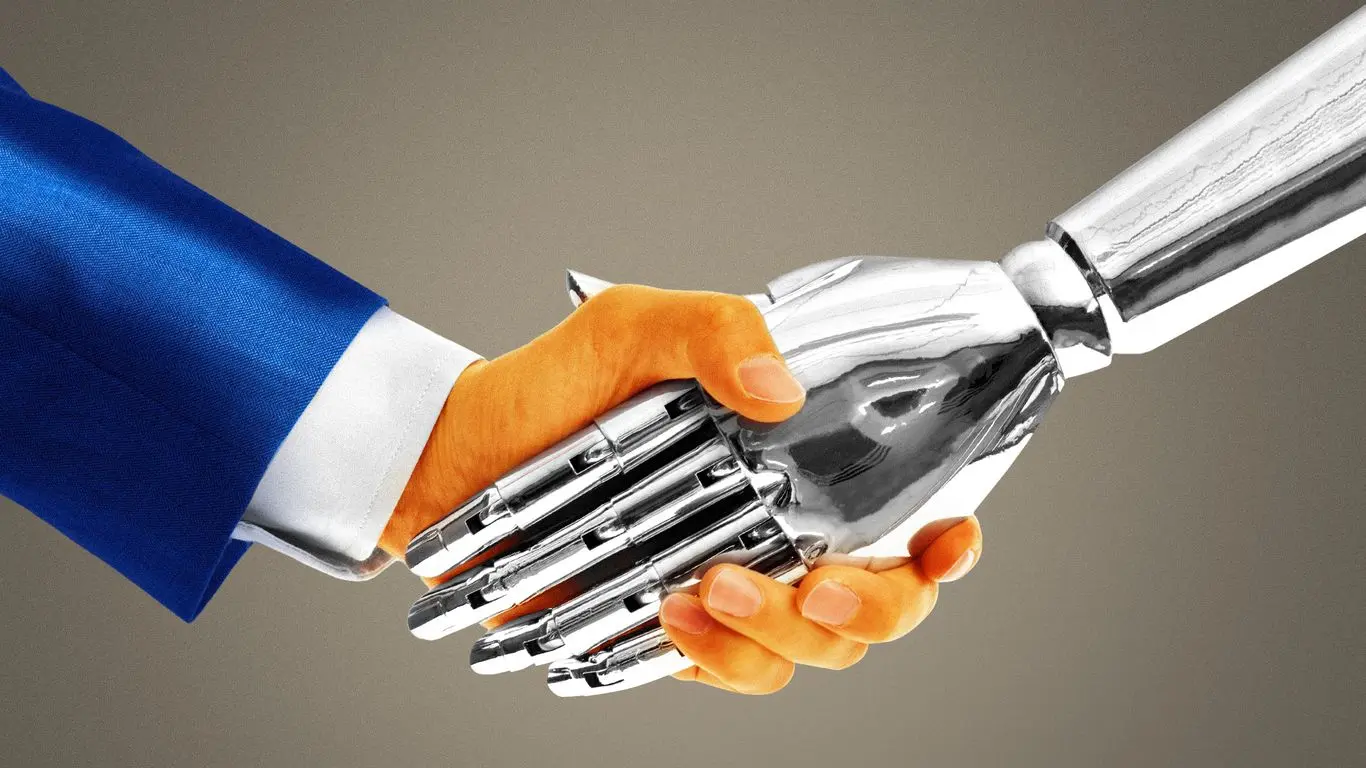
President Donald Trump and the artificial intelligence sector have forged a massive economic pact, launching one of the boldest technological bets in modern history. This sweeping alliance promises unprecedented national dominance and economic expansion, but it also carries severe financial risks that could threaten American stability if the venture falters.
The strategy hinges on massive deregulation and heavy investment to accelerate domestic AI development. Industry leaders and government officials argue that removing bureaucratic roadblocks is essential to outpace global competitors. By positioning the United States as the undisputed capital of machine intelligence, proponents believe the nation can secure decades of technological supremacy.
Can the Economy Survive a Failed Bet?
Supporters of the initiative predict a historic surge in productivity and wealth generation. This new paradigm could transform healthcare, manufacturing, and daily commerce through unprecedented automation capabilities. Advocates view the partnership as a generational leap forward, capable of driving economic growth on a scale not seen since the dawn of the internet.
Despite the optimistic outlook, critics and several insiders warn of a potential financial catastrophe. A misstep in this rapid expansion could trigger a devastating market collapse that wipes out capital and eliminates millions of jobs. The immense resources poured into infrastructure and model training mean the downside risk is exceptionally high.
Frequently Asked Questions
What are the main goals of the Trump and AI industry partnership? The alliance aims to accelerate American technological dominance through reduced regulation and massive investment. Proponents hope to spark a new era of explosive productivity and wealth.
What happens if the economic wager fails? Several individuals involved warn of a catastrophic market bust. Such a failure could destroy significant amounts of capital and eliminate numerous jobs across various sectors.