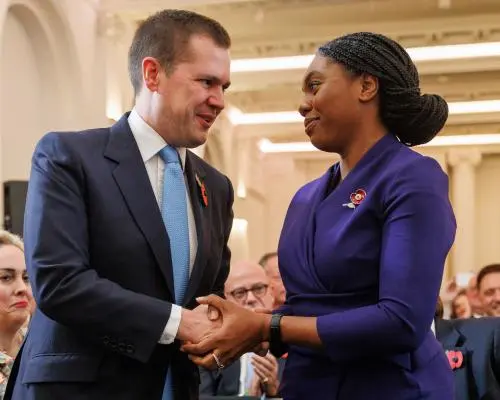
Performance Over Policy Substance
British Conservative leaders are currently engaging in a series of highly public verbal skirmishes that suggest a fractured movement. During a recent conference speech, Kemi Badenoch labeled Reform UK as weirdwhile rejecting any potential electoral alliance. Meanwhile, Robert Jenrick has publicly attacked Badenoch, accusing her of prioritizing the interests of the wealthy elite.
These performative clashes create the appearance of a civil war within the right wing of British politics. Despite the aggressive rhetoric, the underlying policy goals of these factions remain remarkably consistent. The public squabbling serves as a distraction from the fact that their core ideological platforms are more aligned than ever.
The intensity of these exchanges often obscures the reality of the political landscape. While Badenoch and Jenrick trade insults to capture media attention, their legislative agendas share the same fundamental DNA. Both figures advocate for traditional conservative values and market-oriented reforms that have long defined the party's trajectory.
Is the Internal Conflict Merely a Strategic Facade?
The focus on personality-driven conflict allows these leaders to signal strength to their respective bases. By distancing themselves from rivals, they attempt to claim the mantle of true leadership. However, this strategy does not represent a genuine shift in the structural direction of the Conservative movement.
The ongoing tension between these prominent figures is likely a calculated effort to manage voter perceptions. By appearing to fight amongst themselves, they hope to appeal to different segments of the electorate simultaneously. This tactical maneuvering aims to prevent the loss of voters to fringe parties while maintaining a unified front on essential policy matters.
Frequently Asked Questions
Ultimately, these internal disagreements are unlikely to lead to a lasting rupture in the party’s ideological framework. As the political cycle progresses, the necessity of presenting a cohesive front will likely supersede these temporary displays of discord. The right remains deeply unified on the issues that truly define its future.
What is the primary cause of the public disputes between Conservative leaders? The disputes appear to be a strategic performance designed to distinguish individual leaders while maintaining a broad appeal to different voter segments.
Are the policy differences between these factions significant? No, the core policy platforms remain largely identical, suggesting that the public disagreements are more about political positioning than fundamental ideological divides.