The Birth of a New Era in National Security
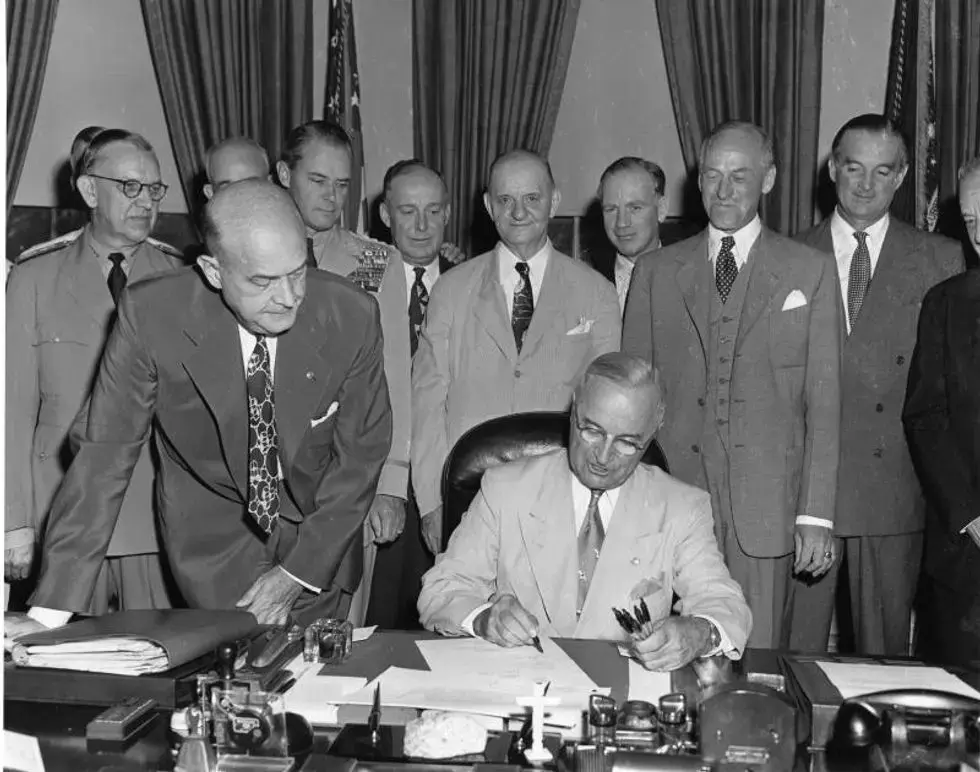
Seventy-nine years ago this month, President Harry Truman made a pivotal decision that would shape the United States' approach to national security. On July 26, 1947, Truman signed the National Security Act, establishing the National Security Council and paving the way for the country's modern national security apparatus. This marked a significant shift in the nation's strategy for addressing domestic and foreign threats.
The Act created the National Security Council to advise the President on integrating domestic, foreign, and military policies. This move was designed to ensure a more coordinated approach to national security, but over time, the national security state has grown exponentially. Critics argue that this expansion has led to abuses of power and an increasingly complex bureaucracy.
What Are the Implications of a Growing National Security State?
The National Security Act was a response to the changing global landscape following World War II. The onset of the Cold War with the Soviet Union necessitated a more integrated and strategic approach to national security. The Act also led to the creation of the Central Intelligence Agency (CIA) and the Department of Defense, further solidifying the national security state's infrastructure.
Frequently Asked Questions
As the national security state continues to evolve, concerns arise about its impact on civil liberties and the balance of power within the US government. The growth of the national security apparatus has led to increased surveillance and data collection, sparking debates about privacy and individual freedoms. Furthermore, the expanding role of the national security state in domestic affairs raises questions about the proper limits of its authority.
The consequences of a metastasizing national security state are far-reaching. As the apparatus continues to grow, it may lead to further erosion of civil liberties and increased tensions between the government and its citizens. The challenge lies in striking a balance between ensuring national security and protecting individual freedoms.