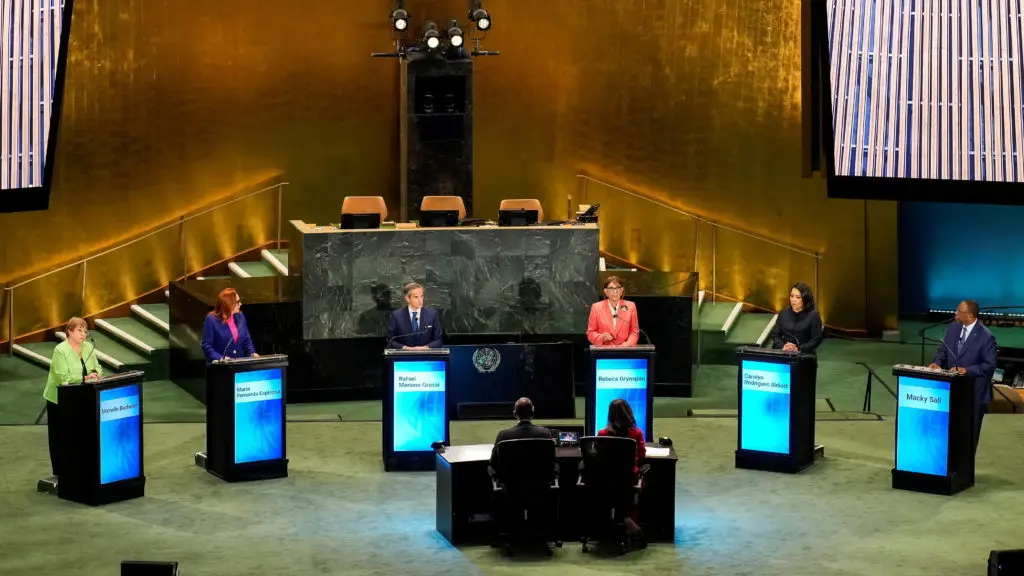
Navigating the Geopolitical Labyrinth
The United Nations is preparing for the high-stakes selection of its next secretary-general. This global process determines who will lead the world’s most prominent diplomatic body. With geopolitical tensions rising across the globe, member states are carefully evaluating the requirements for this influential position as the current term nears its conclusion.
The selection process is governed by the UN Charter, which mandates that the Security Council recommends a candidate to the General Assembly. While the Security Council holds the primary influence, the General Assembly must formally approve the choice. This structure ensures that the five permanent members of the Security Council—the United States, China, Russia, France, and the United Kingdom—maintain significant leverage over the final decision.
Candidates for the role must balance the competing interests of powerful nations while maintaining the organization's independence. Historically, the process involves intense backroom negotiations among permanent council members. These diplomats look for a leader who can navigate complex crises without alienating key international players.
Can the Selection Process Remain Truly Independent?
The vetting process has become more transparent in recent years, with public hearings allowing member states to question contenders. However, the final consensus remains a product of elite diplomatic maneuvering. The chosen individual must embody a combination of administrative skill, political neutrality, and the ability to command respect on the world stage.
Critics often argue that the permanent members of the Security Council prioritize political loyalty over merit. This dynamic creates a challenging environment for candidates who hope to enact bold reforms. If a candidate is viewed as too close to one power bloc, they risk being blocked by a veto from a rival nation.
The outcome of this selection will define the UN's direction for years to come. As global challenges like climate change and regional conflicts intensify, the next secretary-general will face immense pressure to deliver results. The world watches closely to see if the institution can select a leader capable of uniting a deeply divided international community.
Frequently Asked Questions
Who officially selects the secretary-general? The Security Council recommends a candidate, and the General Assembly must then vote to confirm that choice. This two-step process ensures both the major powers and the broader UN membership are involved.
Does the secretary-general have term limits? Yes, the secretary-general serves a five-year term, which can be renewed once. Most leaders in this role serve for a total of ten years to ensure continuity.
Why is the selection process considered so difficult? The process is complex because any of the five permanent members of the Security Council can veto a candidate. This often leads to a search for a compromise candidate who is acceptable to all major global powers.