Voter Sentiment and International Reactions
Last week's elections sent a clear message. Foreign policy decisions are no longer just about events abroad. The war in Iran has driven up gas prices. Trump's tariffs have raised costs for U. S. companies. A poll by SSRS for multiple publications, including Associated Press, shows 51% of voters considered U. S. support for Israel excessive. 63% viewed the conflict with Iran as a strategic mistake. Nearly three-quarters (74%) named this conflict a decisive factor in their vote. Economic factors weighed even heavier, with 89% of the electorate considering them crucial. While American citizens expressed their positions at the polls, the rest of the world did not stay silent. International reactions were varied, sometimes with a dose of humor, materialized in AI-generated videos, social media memes, and headlines in foreign press.
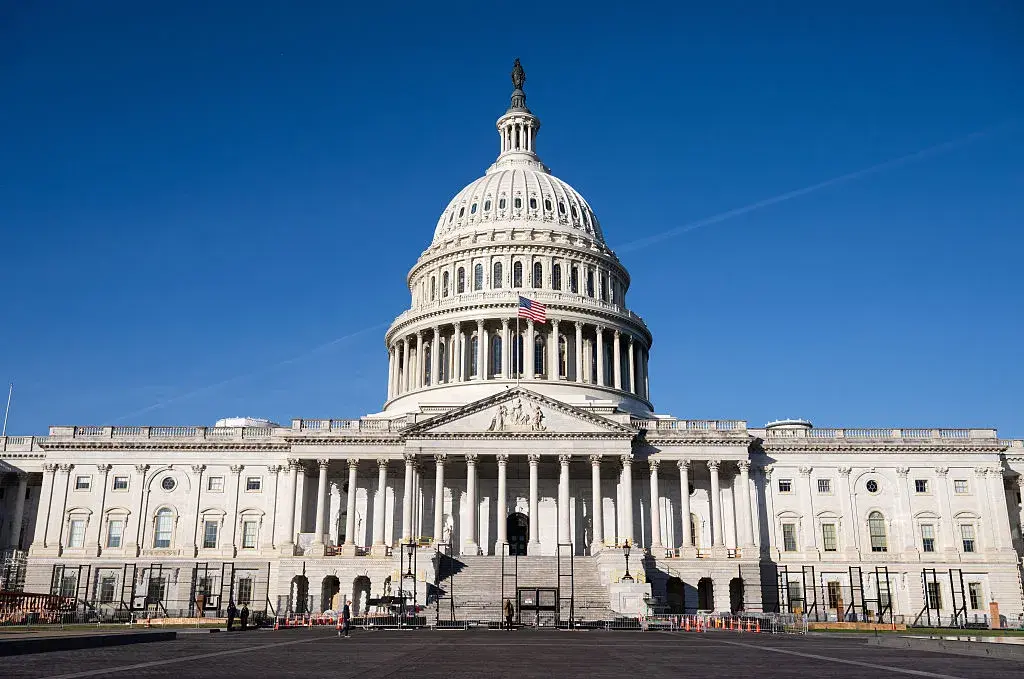
What concrete changes do these results bring? Anne Applebaum, a Pulitzer-winning historian and editor at The Atlantic, has long studied the mechanisms of authoritarianism and the erosion of democratic institutions. In a February interview with NPR, she warned about corruption in American foreign policy, highlighting that people close to Trump and his family received funds from foreign governments. Now, with Democrats ready to take control of Congress, Applebaum sees a reason for U. S. allies to regain trust in American democracy. However, whether this trust translates into foreign policy changes remains an open question. On the Morning Edition show, Applebaum outlined three ways Congress could influence foreign policy, from the conflict with Iran to support for Ukraine, while also delineating the limits of legislative power.
Three Paths for Congressional Action
The first area of action targets the conflict with Iran. The U. S. and Israel have waged military campaigns against Iran since June 2025. Costs for American taxpayers have reached an estimated $47.1 billion by mid-October, according to Pentagon data obtained by Associated Press. Iranian retaliatory strikes also targeted U. S. military bases in the Persian Gulf. „I don't expect Trump to change course,”Applebaum stated, adding that the president does not seem very interested in citizens' opinions on his policies. There is also a timing issue. Iran remains on alert for new attacks, and some conflict supporters may view the next two months, before the new Congress is installed, as the last chance for escalation, explained Trita Parsi, an Iran affairs expert at the Quincy Institute for Responsible Statecraft, in an interview with Hadeel Al-Shalchi at NPR.
Once Democrats take control of both legislative chambers, they could use one of Congress's most important powers: the decision on federal spending. Lawmakers can impose restrictions in appropriation bills to limit the use of federal funds for certain military operations. „It can be seen as an effort to use the power of the purse, through the appropriations committees, to end the conflict or influence the political dynamic,”Applebaum said. She anticipates pressure that will alter „the trajectory of the war sooner or later.” Parliamentary Investigations The second aspect refers to parliamentary investigations. Congress can examine how the administration makes foreign policy decisions, even if it cannot directly overturn them. Applebaum expects lawmakers to analyze potential corruption involving people close to Trump and the selection of the foreign policy team. She raised questions about the competence of Defense Secretary Pete Hegseth and the advice Trump received during the conflict with Iran.
Conflict with Iran
These investigations could bring more information into the public domain, but will not necessarily generate policy changes. „Congress cannot force the president to make changes,”Applebaum emphasized, noting that Trump has the right to veto laws. However, Congress can offer „a different narrative, both about this war and more broadly about American foreign policy,”she continued. For this narrative to matter, Democratic leaders should act quickly, decide what to investigate, and set their priorities.
Support for Ukraine
The third area targets support for Ukraine. Support for Kyiv has crossed party lines in Congress, while the Trump administration's approach to Russia has stirred questions among lawmakers. Applebaum expects this bipartisan coalition to become more active under Democratic leadership, including through bills that would force the president to reapply sanctions against Russia. I would anticipate a bill that forces the president to reimpose sanctions,she stated. The question is whether enough lawmakers would support such a bill to overcome a presidential veto. Applebaum said she cannot predict this outcome, though she considers it possible given the high level of legislative support for Ukraine. Congress has already sought answers regarding the disruption of Ukraine's satellite communications. In October, the Pentagon Inspector General refused a bipartisan request to investigate the slowdowns in Starlink and Starshield services, which Ukrainian officials stated affected the capacity to intercept Russian drones.
The Trump administration and SpaceX offered contradictory explanations about who was responsible. Applebaum expects lawmakers to examine these disruptions further, along with the administration's negotiations with Russia and Ukraine, including allegations of business deals involved in the talks. She anticipates these issues to become more openlydiscussed.