A Bid for Energy Independence?
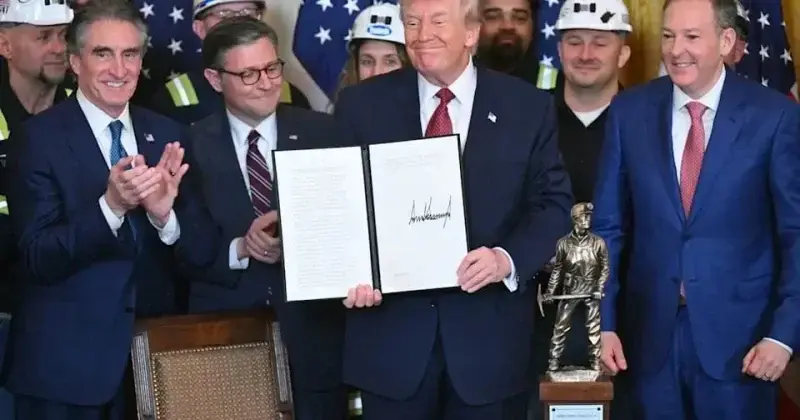
President Trump has directed $500 million from the Defense Production Act to revitalize the struggling US coal industry. The announcement, made June 4th, aims to upgrade existing plants and build new facilities across the country. This move is intended to shore up energy reliability.
The funding will be used for thirteen coal plants. It will also support the construction of new coal infrastructure. A key component is a new coal export terminal. Private investors are committing an additional $1.7 billion to these projects. The administration argues this investment is crucial for national security.
The Defense Production Act is typically used to bolster national security during wartime. Its application to the coal industry is unusual. Officials claim it’s necessary to ensure a reliable domestic energy source. They point to recent grid vulnerabilities and the need to reduce reliance on foreign energy. However, critics question this justification. They argue cheaper and cleaner alternatives exist.
Will Coal Really Make a Comeback?
The allocated funds will focus on modernizing older coal plants. This includes installing advanced technologies to reduce emissions. New facilities will also be built, though their locations haven’t been fully disclosed. The export terminal aims to increase coal shipments to international markets. This could potentially open new revenue streams for US coal companies.
The coal industry has faced significant decline in recent years. This is due to competition from natural gas, wind, and solar power. These alternatives are often cheaper and produce fewer greenhouse gas emissions. The Trump administration has consistently supported coal. They view it as vital for economic growth and job creation.
However, the long-term viability of coal remains uncertain. Despite the funding boost, market forces continue to favor renewable energy sources. Environmental groups argue that investing in coal is a step backward. They say it exacerbates climate change and harms public health. The $500 million represents a significant, but potentially temporary, lifeline for the industry.
The consequences of this decision are multifaceted. It could provide short-term economic relief to coal-producing regions. It also risks locking the US into a reliance on a polluting energy source. The future of coal will likely depend on technological advancements and evolving energy policies.
Frequently Asked Questions
What is the Defense Production Act? The Defense Production Act allows the president to prioritize certain domestic industries deemed essential for national defense. It can be used to allocate resources and incentivize production during emergencies. This is the first time it's been used to directly support the coal industry.
How much of the total investment is coming from private sources? Private investors are contributing $1.7 billion to these coal projects. This supplements the $500 million allocated through the Defense Production Act. The administration highlights this as evidence of industry confidence.
What are the environmental concerns surrounding this investment? Coal combustion releases greenhouse gases and pollutants. This contributes to climate change and harms air quality. Environmental groups worry this investment will hinder the transition to cleaner energy sources.