Balancing Ambition With Human Oversight
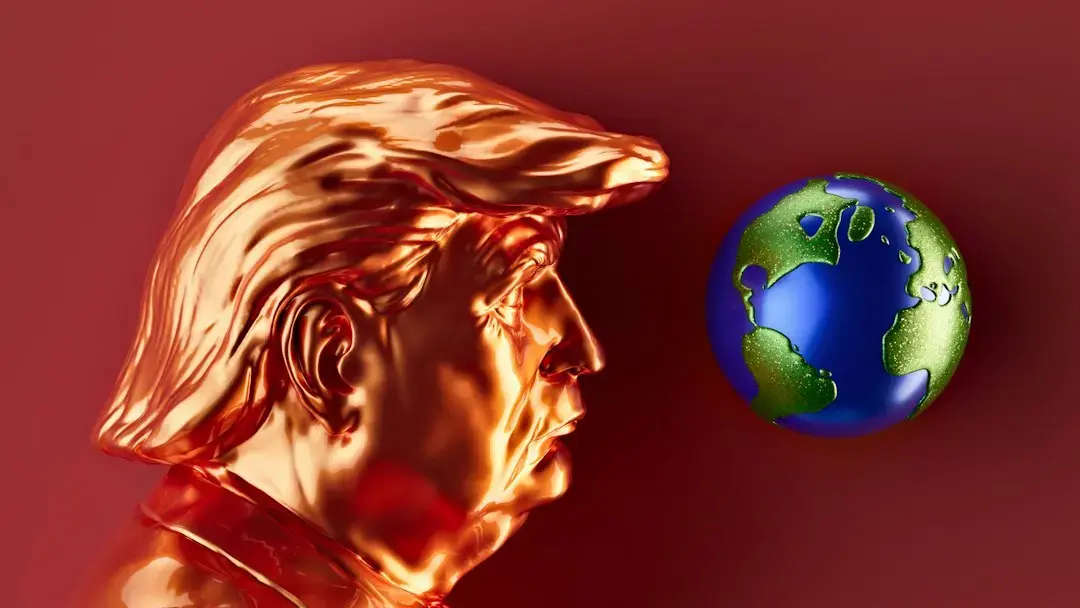
US President Donald Trump and Chinese leader Xi Jinping have placed artificial intelligence at the heart of their diplomatic discussions. The two nations are currently locked in an intense competition for technological dominance. Both leaders aim to secure human control over advanced systems while expanding their global influence. This meeting highlights how AI capabilities now define geopolitical power dynamics between the world’s largest economies.
The rivalry extends beyond simple software development. It involves hardware production, talent acquisition, and strategic investment. Washington and Beijing view AI as a critical tool for national security and economic growth. They seek to maintain a lead in this sector to dictate future standards. The stakes involve controlling the algorithms that may govern everything from finance to defense.
Donald Trump has been vocal regarding American AI goals. He recently stated that whoever wins the AI race ultimately wins the broader competition. This sentiment reflects a broader strategic posture in Washington. The administration prioritizes rapid deployment and industrial scale. However, officials acknowledge the need for safety mechanisms. They want to ensure that powerful models remain understandable and manageable by humans. This balance is difficult to achieve during a fast-paced technological sprint.
How Will Control Shape Future Policy?
China pursues a similar path with distinct characteristics. Beijing focuses on state-led initiatives and massive infrastructure projects. The country leverages its large domestic market to test new applications. Chinese researchers emphasize efficiency and integration into daily life. Both nations face internal debates about privacy and regulation. These discussions occur while external pressure mounts to produce breakthrough results quickly.
The question of human oversight remains unresolved. Leaders must decide where to draw the line between autonomy and intervention. If machines make critical decisions without clear human input, risks increase. Current frameworks are still evolving. Policymakers are drafting guidelines to address these concerns. They aim to prevent scenarios where AI systems operate beyond their intended scope. This regulatory effort happens concurrently with aggressive commercial expansion.
Frequently Asked Questions
The outcome of this diplomatic engagement will set the tone for future cooperation or conflict. If both sides agree on basic safety principles, joint standards may emerge. Conversely, diverging views could lead to fragmented global systems. Businesses will watch closely for signals on data sharing and export controls. Investors are already adjusting portfolios based on potential policy shifts. The next few months will reveal if trust can bridge the technological gap.
Why is AI central to the Trump-Xi meeting? AI represents a key area of competition between the US and China. Both nations believe technological leadership translates directly into geopolitical advantage. Controlling AI development allows them to shape global economic and military futures.
What does human controlmean in this context? It refers to ensuring that AI systems remain interpretable and supervised by people. Leaders want to avoid black-box decision-making processes. This approach aims to mitigate risks associated with autonomous machine behavior.