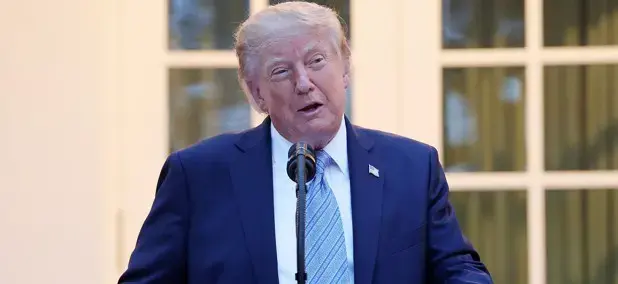
A New Federal Command Center
President Donald Trump took to social media over the weekend to unveil a plan for an „AI Force,” a new governmental unit that will oversee and support the nation’s burgeoning artificial‑intelligence sector. He also said a senior „AI czar” will be appointed to coordinate policy, funding, and regulation, promising to nurture growth while keeping a watchful eye on potential threats.
The proposal comes as the United States races to maintain its lead in AI research and commercial deployment. Trump’s team argues that a dedicated force will streamline federal assistance, reduce bureaucratic hurdles, and attract private investment. By centralizing oversight, the administration hopes to accelerate innovation in fields ranging from autonomous vehicles to medical diagnostics, while also establishing safeguards against misuse.
The AI Force is expected to operate within the White House’s Office of Science and Technology Policy, reporting directly to the president. Its duties will include allocating grants to startups, coordinating with the Department of Defense on national‑security applications, and crafting standards for ethical AI use. Industry leaders have welcomed the idea of a single point of contact for federal resources, noting that current fragmented programs often lead to duplicated efforts.
Will a Government‑Led AI Initiative Stifle Innovation?
Trump emphasized that the initiative will „cherish” the sector, offering tax incentives and streamlined patent processes to spur rapid development. He also warned that the force will „look for bad actors,” signaling a tougher stance on AI‑related security risks and potential abuses. The administration plans to convene a council of experts from academia, Silicon Valley, and defense to advise the AI czar on best practices and emerging threats.
Critics question whether a top‑down approach could hinder the very creativity it aims to protect. Some technology analysts argue that excessive oversight might slow down startups that thrive on flexibility. Others point out that clear guidelines could actually boost confidence among investors wary of regulatory uncertainty.
The debate hinges on balancing rapid advancement with responsible governance. While the AI Force promises to „watch over” the industry, its exact powers remain undefined, leaving room for both collaboration and friction with existing regulatory bodies.
If the AI Force materializes as described, it could reshape the U. S. AI landscape within the next two years, attracting billions in venture capital and positioning the country as a global leader. However, the success of the initiative will depend on the czar’s ability to navigate complex technical, ethical, and security challenges without imposing burdensome constraints.
Frequently Asked Questions
What is the „AI Force”? It is a proposed federal unit, likely housed in the Office of Science and Technology Policy, tasked with coordinating support, funding, and oversight for AI companies across the United States.
Who will lead the AI Force? The administration plans to appoint an „AI czar,” a senior official with experience in technology policy, to head the force and report directly to the president.
How will the AI Force affect private AI firms? The force aims to provide streamlined access to federal grants, tax incentives, and regulatory guidance, while also monitoring for security threats and unethical practices.