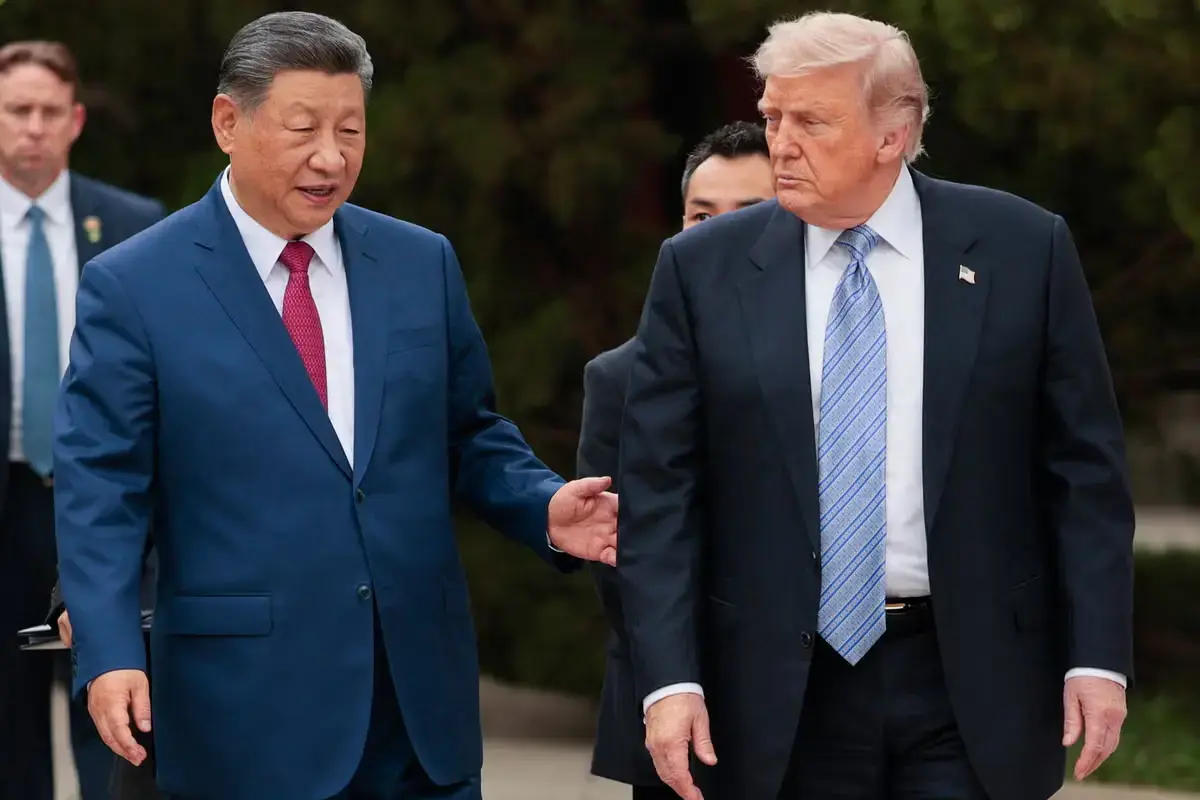
From Trade Wars to Alleged Espionage
Former President Donald Trump took the stage in Tampa, Florida, on July 17, 2026, and accused China of running a covert operation to undermine his political agenda. The remarks came during a rally that drew thousands of supporters and were timed to influence the upcoming November midterm elections.
Trump’s claim follows a long‑standing pattern of blaming external forces for domestic setbacks. He suggested that Chinese intelligence agencies are coordinating with what he calls the „deep state” to sabotage his campaign and weaken U. S. sovereignty. Analysts say the rhetoric is designed to rally his base, distract from policy failures, and frame the election as a battle for national survival.
The accusation marks a shift from Trump’s earlier focus on trade tariffs and manufacturing jobs to a more sinister narrative of espionage. In a recent interview, he cited „unverified reports” that Chinese hackers have infiltrated U. S. election infrastructure. He warned that without decisive action, American voters could be manipulated by foreign actors. Critics point out that no credible intelligence has confirmed such infiltration, and that the claim mirrors Cold War‑era propaganda. Nonetheless, the statement resonated with attendees, many of whom chanted slogans linking China to economic decline and loss of American jobs.
Is Trump’s China Narrative a Calculated Vote‑Getter?
Political scientists argue that the China conspiracy theory is a strategic move to consolidate support among voters who feel threatened by globalization. By portraying China as a hidden enemy, Trump taps into existing anxieties about immigration, technology, and national identity. The timing suggests a deliberate effort to shift the conversation away from his own legal challenges and toward an external scapegoat. If successful, the narrative could reshape the electoral landscape, forcing rivals to adopt a tougher stance on China to remain competitive.
The fallout from Trump’s statements could extend beyond the campaign trail. Diplomatic tensions between Washington and Beijing may rise, prompting both sides to increase rhetoric and military posturing. Domestically, the allegations risk deepening partisan divides and fueling misinformation. Election officials have pledged to safeguard voting systems, but the specter of foreign interference may erode public confidence in the democratic process. Observers warn that such tactics, if left unchecked, could undermine the legitimacy of future elections.
Frequently Asked Questions
What evidence does Trump cite to support his claim? Trump references unnamed „intelligence sources” and media reports that he says indicate Chinese cyber activity targeting U. S. elections, but no public documents have substantiated these allegations.
How are U. S. officials responding to the accusation? The Department of Justice and the Cybersecurity and Infrastructure Security Agency have reiterated that current election security measures are robust and have not found evidence of Chinese interference in recent cycles.
Could this rhetoric affect U. S.–China relations? Yes. Persistent accusations may harden diplomatic positions, lead to new sanctions, and increase the risk of miscommunication between the two powers, complicating efforts on trade, climate, and security.