Is This a Shift in U. S. Foreign Policy?
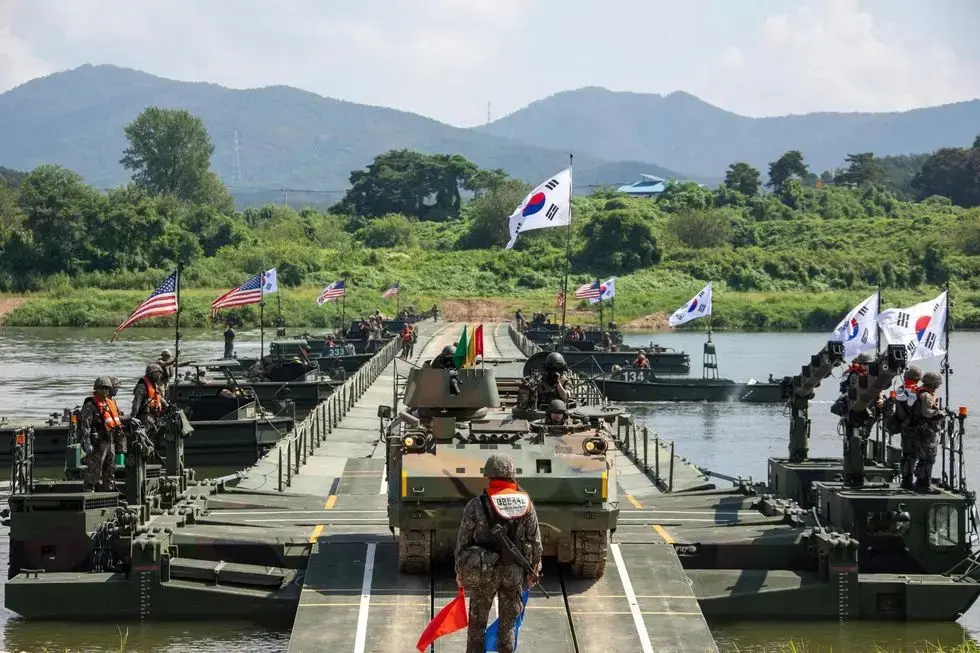
On Sunday, President Donald Trump announced a significant change in military strategy regarding U. S.-South Korea relations. He instructed the Pentagon to „substantially reduce” the large-scale military drills that had just commenced. This announcement comes amid ongoing tensions with North Korea.
In a post on Truth Social, Trump outlined his rationale for this decision. He described the military exercises as excessively „costly” and argued that they send a „totally inappropriate and hostile signal” to North Korea. The President also expressed concerns that these drills could exacerbate tensions in the region, suggesting that a more restrained approach might foster better relations with Pyongyang.
Trump's sudden directive represents a notable shift in the U. S. military stance in East Asia. Historically, joint military exercises with South Korea have been a cornerstone of U. S. defense strategy in the region. These drills are designed to enhance readiness and demonstrate a united front against potential aggression from North Korea. However, Trump’s announcement suggests a desire to pivot towards diplomacy rather than military posturing.
What Are the Implications of This Decision?
The President's comments reflect a broader trend in his administration, which has often prioritized reducing military expenditures and seeking negotiations over conflict. This approach aligns with Trump's previous efforts to engage North Korean leader Kim Jong-un in dialogue, though those talks have stalled in recent months.
The decision to cut back on military exercises could have several implications. For one, it may be perceived by North Korea as a sign of weakness or a lack of commitment to South Korea's defense. Conversely, it could also be interpreted as a gesture of goodwill, potentially reopening channels for diplomatic engagement.
Critics of the decision warn that reducing military readiness could embolden North Korea. They argue that these exercises are crucial for maintaining a strong deterrent against potential threats. The Pentagon has yet to comment on how this directive will affect ongoing military operations and readiness in the region.
In the long term, this move could reshape U. S.-South Korea relations. If military exercises are significantly reduced, it may lead to a reevaluation of the U. S. commitment to South Korean defense. Observers will be closely monitoring how this decision impacts North Korea's behavior and future diplomatic efforts.
Frequently Asked Questions
Why did Trump decide to reduce military exercises with South Korea? Trump cited high costs and the potential for these drills to provoke North Korea as key reasons for his decision. He believes a reduction could ease tensions.
What are the potential risks of reducing military exercises? Reducing military drills might weaken deterrence against North Korea and could be seen as a lack of support for South Korea. Critics warn it may embolden Pyongyang.
Could this lead to improved relations with North Korea? While some see this as a potential opening for dialogue, others argue it may signal weakness. The outcome remains uncertain and will depend on North Korea's response.