What Does an Energy Ceasefire Mean in Practice?
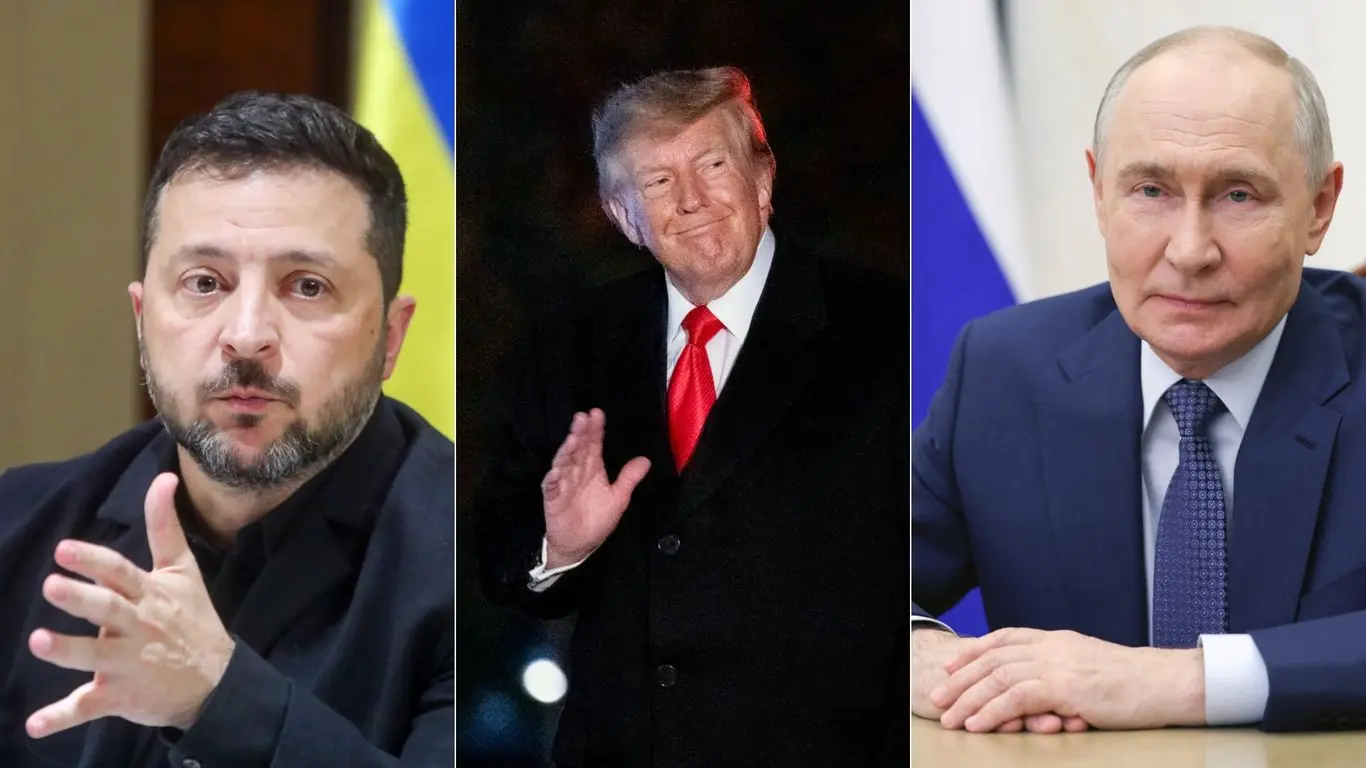
President Donald Trump stated on Sunday that Russia and Ukraine have reached an agreement to halt attacks on each other's energy infrastructure, describing it as an „energy ceasefire.”The announcement came during a public remarks session, where Trump said both sides had consented to stop targeting power plants, grids, and other energy-related facilities. He framed the development as a step toward reducing hostilities in the ongoing conflict, though no formal treaty or verification mechanism was mentioned at the time.
Ukrainian President Volodymyr Zelensky responded to the claim in an interview with Axios, saying the news was unexpected but indicating openness to the idea if verified. Zelensky stated that if Russia genuinely agrees to such a ceasefire, Ukraine would be willing to comply. He emphasized that any agreement must be credible and monitored, noting that past declarations have not always translated into sustained compliance on the ground. The Ukrainian leader did not confirm direct negotiations but left room for diplomatic engagement under clear terms.
Can Trust Be Built Between the Sides?
An energy ceasefire would involve a mutual halt to strikes on oil refineries, natural gas pipelines, electrical substations, and renewable energy sites—infrastructure critical to both nations' wartime resilience and civilian welfare. Such a pause could reduce humanitarian suffering by preserving access to heat, electricity, and fuel, especially as winter approaches. However, experts warn that without third-party oversight or enforcement, the pledge remains vulnerable to violation, particularly given the history of broken truces in the conflict. Monitoring would likely rely on satellite imagery and intelligence sharing, though access restrictions in active war zones complicate verification.
Zelensky’s conditional acceptance highlights Ukraine’s cautious stance: willingness to engage only if Russia demonstrates verifiable restraint. His remarks suggest Kyiv is not rejecting dialogue outright but insists on accountability. For its part, Russia has not publicly confirmed Trump’s claim, leaving the status of the alleged agreement uncertain. Analysts note that unilateral statements by foreign leaders, even well-intentioned ones, can complicate negotiations if not coordinated with the parties involved. The lack of a joint statement or documented accord raises questions about whether the ceasefire exists beyond rhetorical assertion.
What exactly is an energy ceasefire? It refers to a temporary agreement to stop attacking energy infrastructure such as power plants, oil facilities, and gas networks, aiming to preserve essential services during wartime.
Frequently Asked Questions
Has Russia officially agreed to the ceasefire? As of now, Russia has not issued a public confirmation of the agreement claimed by Trump, leaving its status unverified.
Why is Zelensky skeptical but open? Zelensky said the announcement was news to him but stressed that Ukraine would comply if Russia’s commitment were real and observable, underscoring the need for proof before trust.