The Orwellian Nature of Trump's Rhetoric
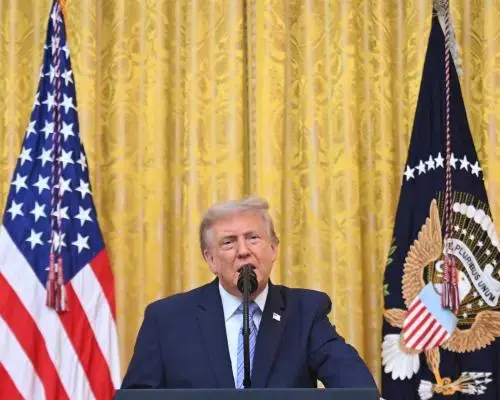
Donald Trump again attacked an American tradition on Thursday night. His primetime address from the White House’s East Room focused on election integrity. Past presidents used such speeches for national emergencies or to announce new policies. Trump, however, used it to question the very foundation of the democratic process.
This latest speech was another instance of his ongoing denial. He has consistently cast doubt on the fairness and security of elections. This pattern has become a hallmark of his public statements.
Is Trump's Strategy a Threat to Democracy?
Trump's rhetoric often flips reality on its head. He claims to protect elections while undermining public trust in them. This approach echoes themes of doublethink, where contradictory ideas are accepted simultaneously. His repeated assertions of widespread fraud lack concrete evidence. Yet, they continue to fuel skepticism among his supporters.
The president's remarks often create a sense of crisis. He portrays the electoral system as deeply flawed and vulnerable. This narrative serves to justify his challenges to established norms. Critics argue this strategy is designed to destabilize democratic institutions.
# What was the main point of Trump's speech?
Many observers view Trump's actions as a direct threat to democratic principles. By repeatedly questioning election results, he erodes faith in the peaceful transfer of power. This can have long-term consequences for political stability. His statements encourage distrust in governmental processes.
# How does Trump's approach differ from past presidents?
The constant questioning of election legitimacy can also incite unrest. It creates an environment where electoral outcomes are not readily accepted. This makes it harder for the country to move forward after an election. The implications for future elections are significant.
Trump's speech focused on alleged issues with election integrity. He claimed that the electoral system was flawed and vulnerable to fraud. This was part of his ongoing effort to question the fairness of American elections.
# What are the potential consequences of Trump's rhetoric?
Past presidents typically used primetime addresses for national emergencies or major policy announcements. Trump, however, used this platform to criticize the electoral process itself. This marked a departure from traditional presidential addresses.
His rhetoric could erode public trust in democratic institutions and election outcomes. It may also lead to increased political polarization and potential unrest. Critics fear it could destabilize the peaceful transfer of power.