Deregulation vs. Global Supply Shocks
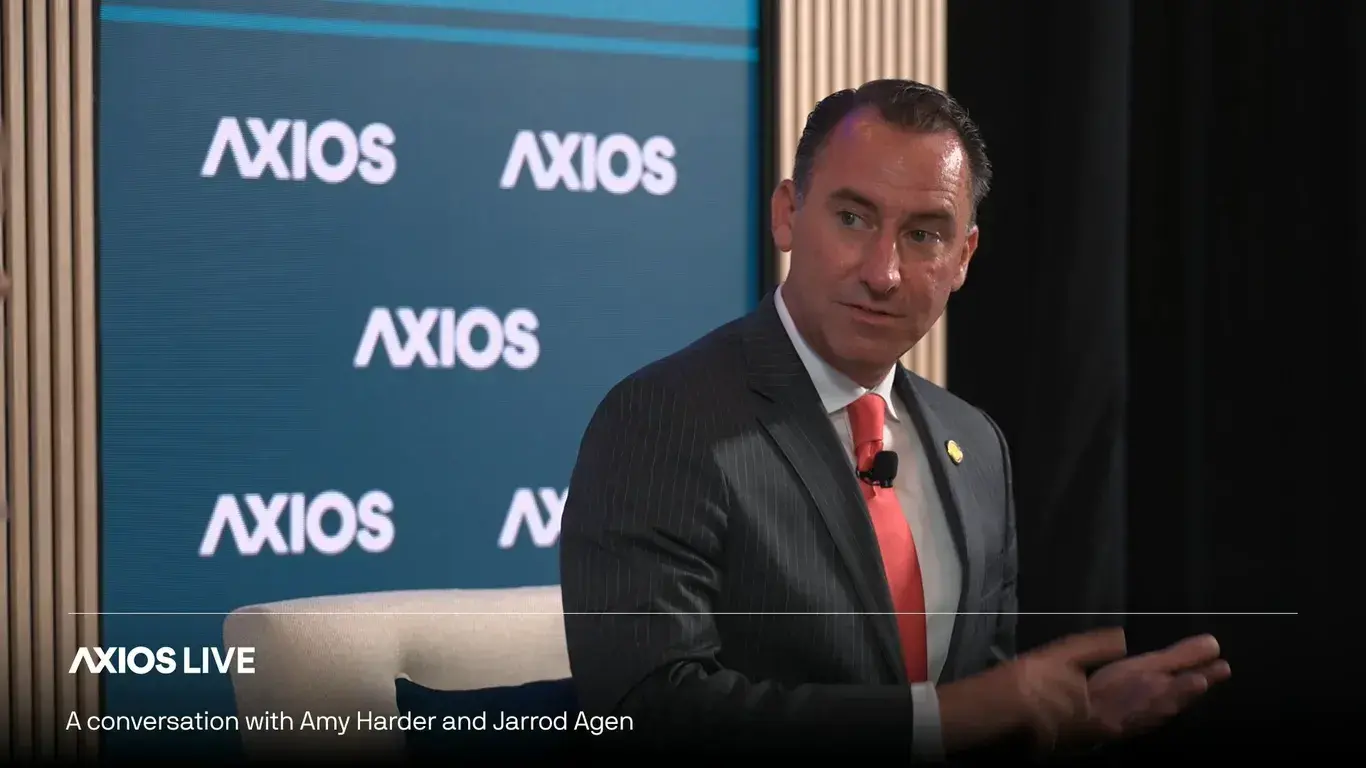
Jarrod Agen, a key energy adviser to President Donald Trump, stated on Tuesday that gasoline affordability remains the single most critical issue for the White House. Speaking at an Axios House event, Agen emphasized that the administration is closely monitoring fuel prices. This focus comes amid rising consumer concerns about the cost of living. The president’s team views stable energy costs as a central pillar of their economic agenda.
The administration champions the benefits of its recent deregulatory efforts. These policies aim to boost domestic production and streamline operations. However, global tensions are complicating this narrative. Overseas conflicts, particularly the ongoing war involving Iran, have rattled oil markets. These geopolitical shocks drive up crude oil prices. Consequently, consumers face higher pump prices despite domestic policy changes.
Agen argued that high refining prices are a primary driver of current fuel costs. He suggested that administrative hurdles and regulatory burdens contribute significantly to the final price at the pump. The White House believes that reducing these barriers will lower costs over time. By easing restrictions on energy companies, the administration hopes to increase efficiency. This approach contrasts with traditional methods of controlling prices through taxes or subsidies. Instead, the focus shifts to supply-side improvements.
Can Policy Changes Outpace Geopolitical Risks?
The timing of these comments is significant. As the Iran conflict intensifies, oil traders worry about potential disruptions to global supply chains. Any reduction in available barrels can cause immediate price spikes. Agen acknowledged these external pressures but maintained that domestic reforms remain vital. He indicated that the president prioritizes long-term structural fixes over short-term relief measures. The goal is to make the U. S. energy sector more resilient to future shocks.
Critics argue that regulatory changes take years to fully materialize. In the meantime, consumers feel the immediate pinch of higher prices. The administration counters that rapid action is underway. They point to new permits and accelerated project approvals as evidence of progress. Agen noted that the White House is actively reviewing every major energy decision. This includes pipeline expansions and refinery upgrades. The aim is to ensure that domestic supply keeps pace with demand.
The link between refining costs and retail prices is complex. Refineries must process crude oil into usable fuels. If the cost of this processing rises, gas prices follow. Agen highlighted that this specific segment of the industry has been under scrutiny. He suggested that better coordination between producers and refiners could stabilize prices. This strategy seeks to address bottlenecks without increasing government intervention.
Frequently Asked Questions
Why is the administration focusing on refining costs? Agen stated that high refining prices directly impact the final cost of gasoline. By addressing this specific sector, the White House aims to lower overall fuel expenses for drivers.
How do overseas conflicts affect U. S. gas prices? Global wars, such as the conflict with Iran, disrupt international oil supplies. Reduced availability of crude oil drives up global prices, which eventually raises domestic fuel costs.
What is the main goal of the new energy policies? The primary objective is to improve gasoline affordability through deregulation. The administration believes that streamlining rules will boost production and lower prices naturally.