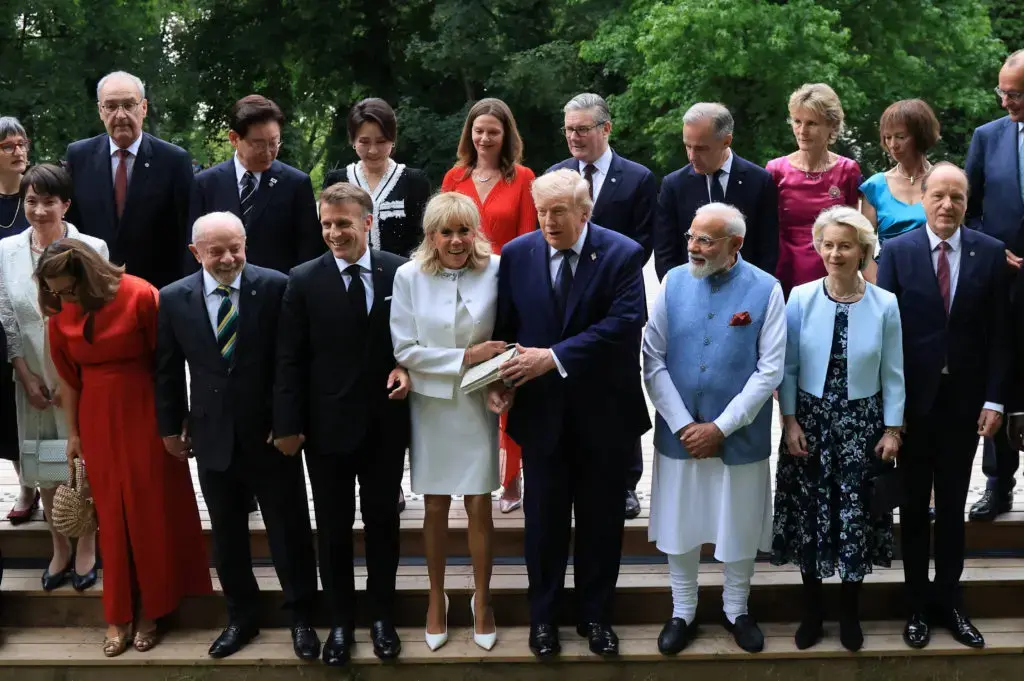
G7’s New Strategic Emphasis on Kyiv
Former President Donald Trump told reporters on Tuesday that he could lift the ban on Russian oil imports if the United States were to re‑impose sanctions. The comment came during a press conference in Miami, where Trump discussed his foreign‑policy priorities ahead of the upcoming election. At the same time, the Group of Seven (G7) nations announced a renewed emphasis on supporting Ukraine, which has begun formal talks to join the European Union and is seeking security guarantees.
Trump’s remarks echo the policy that the Biden administration imposed in December, when it barred Russian crude from U. S. refineries and limited the export of refined products. He suggested that a new administration could reverse those measures, arguing that American energy interests would benefit from cheaper Russian oil. The G7, meeting in Italy, said the pivot toward Kyiv reflects concerns over Russia’s ongoing invasion and the need to bolster Ukraine’s defense capabilities. Both developments highlight a shifting geopolitical landscape where energy and security intersect.
The G7 leaders pledged to coordinate military aid, financial assistance, and diplomatic support for Ukraine. They emphasized the importance of a clear path toward EU membership, hoping that accession talks will cement Kyiv’s Western alignment. The summit also discussed sanctions on Russia, but members agreed to keep pressure on Moscow while expanding aid to Kyiv. Analysts say the joint statement signals a united front against Russian aggression and a commitment to Ukraine’s long‑term stability.
Will Reimposed Oil Sanctions Pressure Russia?
Trump’s suggestion that the United States could lift the oil ban raises questions about the effectiveness of sanctions. Critics argue that removing restrictions would flood the market with cheap Russian crude, weakening the economic squeeze on Moscow. Supporters claim that a balanced approach could protect American consumers while still punishing Russia through other measures. The debate underscores the delicate balance between energy security and geopolitical leverage.
If the United States reinstates sanctions on Russian oil, the move could reshape global fuel markets and alter Russia’s revenue streams. European allies may push back, fearing higher prices and reduced supply. Meanwhile, Ukraine’s EU accession talks could gain momentum if the G7 maintains strong financial and military backing. The next months will test whether energy policy and security commitments can be aligned without compromising either goal.
Frequently Asked Questions
What would reimposing sanctions on Russian oil mean for U. S. consumers? It could raise gasoline prices modestly, as domestic refineries would need to replace cheaper Russian crude with costlier alternatives. The impact would vary by region and depend on global oil price trends.
How does Ukraine’s EU accession process affect its security guarantees? EU membership discussions often include commitments to collective defense and political support. Formal talks signal that Kyiv is moving toward deeper integration, which may attract more security assistance from NATO and EU members.
Can the G7’s focus on Ukraine change Russia’s behavior? Unified sanctions and military aid increase pressure on Moscow, but Russia’s strategic calculations also depend on domestic politics and alternative partners. The G7’s coordinated stance aims to limit Russia’s options, though outcomes remain uncertain.