Shifting the Regulatory Paradigm
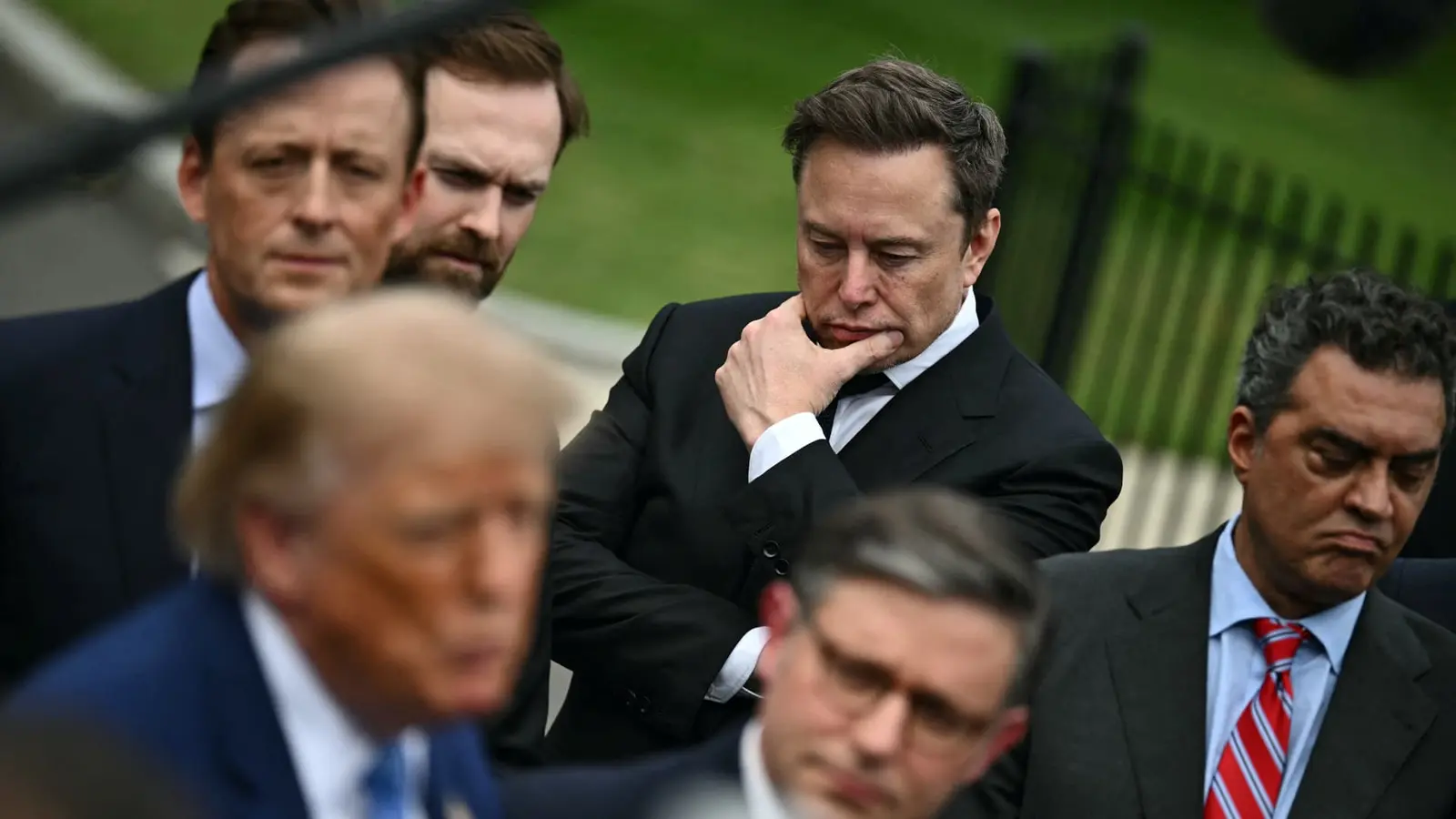
President Donald Trump officially inaugurated a new chapter for American technology on Wednesday by signing an executive order to rename artificial intelligence as „Super Intelligence.”This directive, signed in Washington, marks a significant shift in federal policy regarding the rapidly evolving sector and sets a new tone for government oversight of advanced computing.
The transition to the „Super Intelligencebranding aims to reshape how the public and policymakers perceive machine learning capabilities. Alongside this executive action, leading technology executives formalized a separate commitment. They signed a two-page document outlining a ”morally bindingframework intended to govern future development and safety standards within the industry.
The administration’s decision to rebrand the technology reflects a broader effort to exert control over the narrative surrounding autonomous systems. By moving away from the term „artificial intelligence,”officials hope to emphasize the immense power and potential risks associated with these tools. The move suggests a desire to establish a distinct American identity for high-level computing infrastructure.
Can Self-Regulation Maintain Public Trust?
Industry leaders have largely signaled their cooperation with this new directive. The morally bindingagreement serves as a voluntary pact among tech giants to prioritize safety and ethical standards. While these commitments lack the formal weight of federal law, they represent a unified attempt by the private sector to preempt more aggressive legislative intervention from Congress.
The reliance on a morally binding approach raises questions about the long-term effectiveness of industry-led oversight. Critics argue that without strict legal enforcement, tech companies may prioritize profit over the rigorous safety protocols required for super-intelligent systems. The administration, however, appears confident that this collaborative path will foster innovation while maintaining necessary guardrails.
Frequently Asked Questions
As this new era begins, the government and tech firms remain locked in a delicate dance of oversight and autonomy. The success of this model will depend on whether companies adhere to their moral promises as systems become more complex. If these measures fail to prevent significant errors, the administration may be forced to pivot toward more traditional, binding regulatory frameworks in the coming years.
What is the primary goal of the executive order? The order aims to rebrand artificial intelligence as Super Intelligenceto redefine its role in the national landscape. It also sets the stage for a new approach to federal oversight and industry cooperation.
Are the new regulatory commitments legally enforceable? No, the document signed by technology executives is described as morally binding rather than legally mandatory. It serves as a voluntary commitment to ethical standards and safety practices.