A Shift in U. S. Foreign Policy
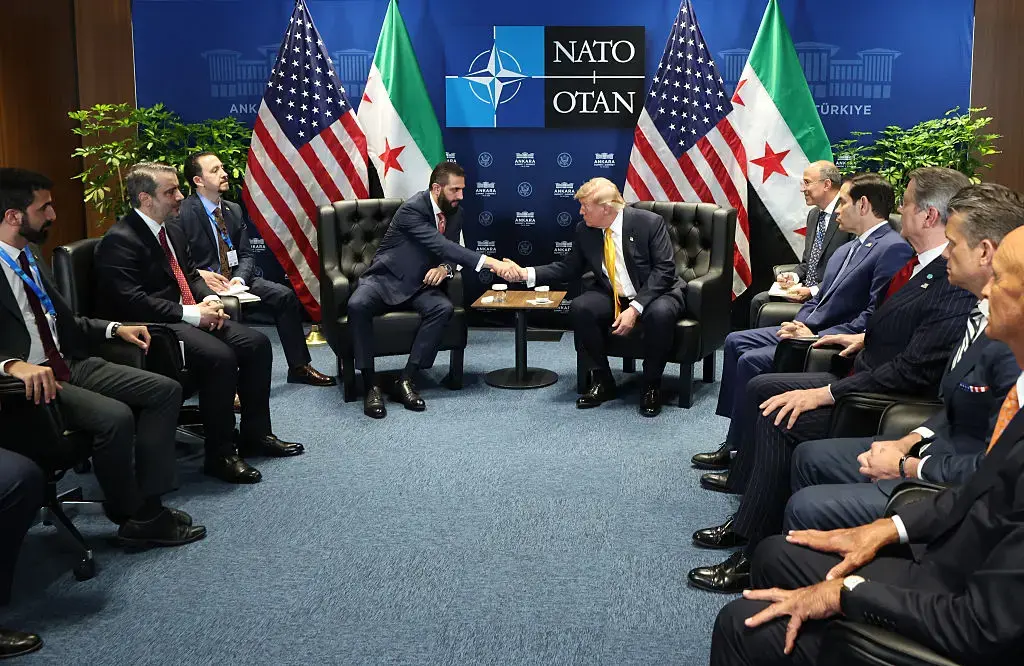
President Donald Trump declared on Wednesday his intent to remove Syria from the U. S. list of state sponsors of terrorism. This significant policy shift marks the first time such a move has been considered. The announcement came after a bilateral meeting with Syrian President Ahmed al-Sharaa. Their talks occurred at the Beştepe Presidential Compound in Ankara, Turkey, during the NATO Summit on July 8, 2026.
This decision could profoundly alter Syria's international standing. For decades, Syria has been on this U. S. list. Its presence on the list has imposed severe sanctions and restrictions. These measures have isolated the nation from global financial systems. The delisting signals a potential thawing of relations. It suggests a new approach to the war-torn country.
What Does This Mean for Syria's Global Reintegration?
The U. S. designation as a state sponsor of terrorism carries significant weight. It restricts foreign aid, defense exports, and financial transactions. Removing Syria from this list would ease many of these penalties. This could open doors for international investment and trade. It might also facilitate humanitarian efforts. The move could help Syria reconnect with the world economy.
# What are the immediate effects of this delisting?
The delisting could pave the way for Syria's reintegration into the global community. It might encourage other nations to re-establish diplomatic ties. Economic recovery is a primary goal for Syria. This action could provide a much-needed boost. It offers a path toward stability and reconstruction. The long-term implications for regional dynamics are still unclear. However, it represents a major policy pivot by the United States.
# How does this impact Syria's economy?
The immediate effects would involve the lifting of various U. S. sanctions. This would ease restrictions on financial transactions and trade. It could also encourage other countries to reconsider their own sanctions against Syria.
Removing Syria from the list could significantly aid its economic recovery. It would allow for greater foreign investment and trade. This could help rebuild infrastructure and stimulate growth in the country.