Vaccine Changes Explained
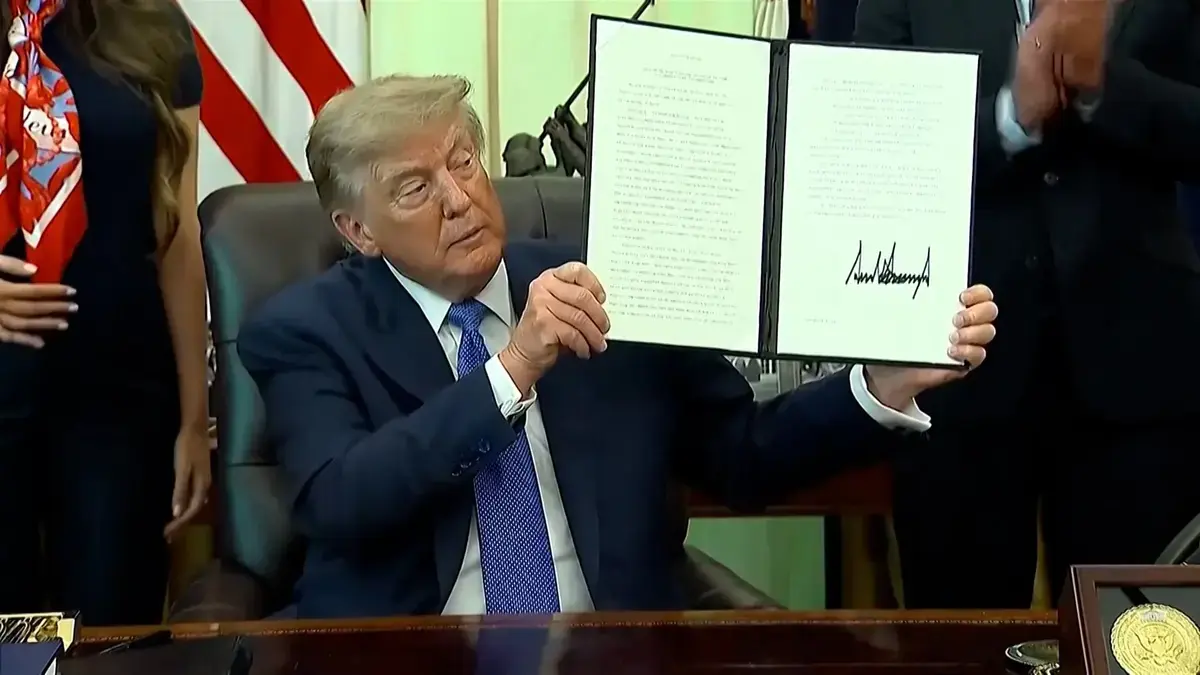
US President Donald Trump signed an order affecting childhood vaccinations. The order calls for fewer vaccinations and changes to the MMR vaccine.
The MMR vaccine, which protects against measles, mumps, and rubella, may be split up. This change aims to reduce the number of childhood vaccinations. The order's details are still emerging, but it marks a significant shift in US vaccination policy.
What Does This Mean for Parents?
Parents and healthcare professionals are waiting for more information on the changes. The order's impact on public health is a concern, as vaccinations are a crucial tool in preventing outbreaks. Data on vaccination rates and disease outbreaks will be closely watched in the coming months.
The consequences of this order are still unclear, but they may be far-reaching. The US vaccination policy has been a topic of debate, and this change may have significant effects on public health. Only time will tell how this order will shape the country's approach to vaccinations.
What is the MMR vaccine? The MMR vaccine is a combination vaccine that protects against measles, mumps, and rubella. It is typically given to children in two doses, with the first dose at 12-15 months and the second dose at 4-6 years.
Frequently Asked Questions
Why is the US changing its vaccination policy? The reasons behind the change are not fully clear, but the order aims to reduce the number of childhood vaccinations. More information is needed to understand the motivations behind this decision.
What are the potential risks of changing vaccination policies? Changing vaccination policies can have significant risks, including increased outbreaks of preventable diseases. Weakened vaccination policies can put vulnerable populations, such as young children and the elderly, at risk.