Challenging Constitutional Precedents
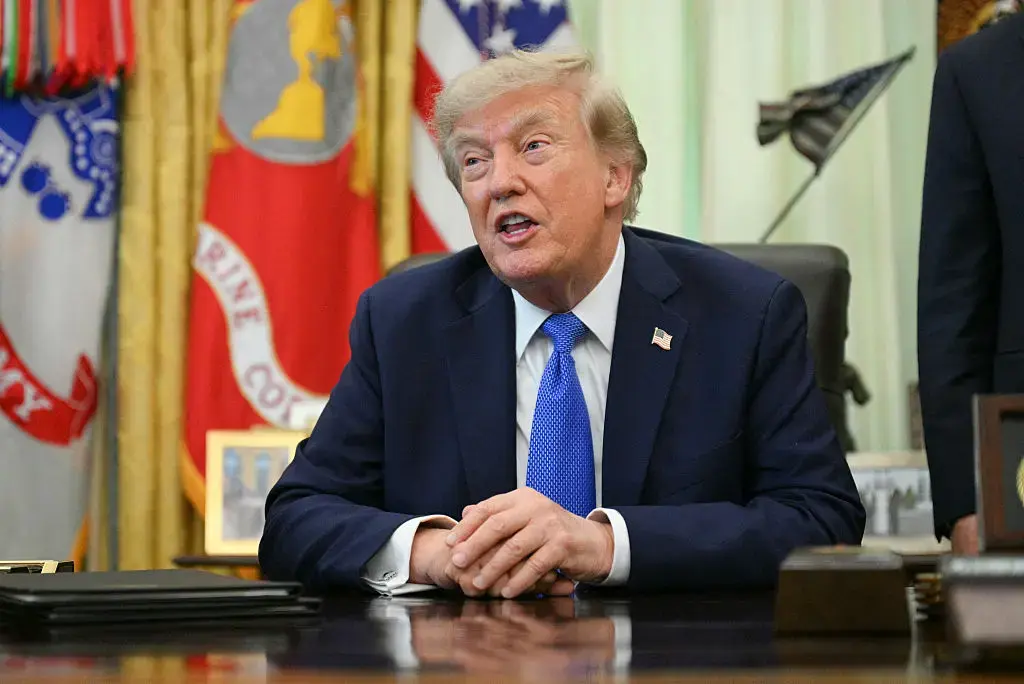
President Donald Trump signed two new executive orders on August 6, 2026, at the White House in Washington, D. C. These directives aim to restrict birthright citizenship for children born to non-citizens within the United States. This move follows a previous Supreme Court ruling that blocked his earlier attempts to alter long-standing immigration policies.
The administration is seeking a new legal interpretation of the 14th Amendment. Officials argue that current policies regarding citizenship by birth require stricter oversight. By issuing these executive orders, the President intends to bypass legislative gridlock and force a shift in how the government grants legal status to newborns.
The President’s latest strategy focuses on redefining the scope of birthright citizenship. His legal team is attempting to narrow the criteria for automatic citizenship. This approach directly conflicts with the Supreme Court’s prior rejection of similar executive maneuvers. Legal experts suggest this creates a direct confrontation between the executive branch and the judiciary.
Will the Courts Block These New Directives?
Supporters of the move claim it is necessary to protect national borders and discourage illegal immigration. They believe that birthright citizenship serves as a primary incentive for families to enter the country unlawfully. Critics, however, argue that these orders undermine the fundamental protections guaranteed by the Constitution.
The legal landscape remains uncertain as civil rights groups prepare to challenge the orders in federal court. Previous rulings suggest that the Supreme Court is unlikely to support a unilateral change to citizenship laws. The administration faces a difficult battle to prove that these orders are consistent with existing constitutional law.
Frequently Asked Questions
If the courts strike down these measures, the President may be forced to seek a constitutional amendment. This would require significant support from Congress, which currently remains divided on the issue. The outcome will likely shape the future of American immigration policy for years to come.
What is the primary goal of these executive orders? The orders aim to restrict automatic citizenship for children born to non-citizens in the United States. The administration hopes to redefine how the 14th Amendment is applied.
Has the Supreme Court addressed this issue before? Yes, the Supreme Court previously rejected the President’s attempt to impose similar restrictions. Legal analysts expect the new orders to face immediate challenges in the court system.