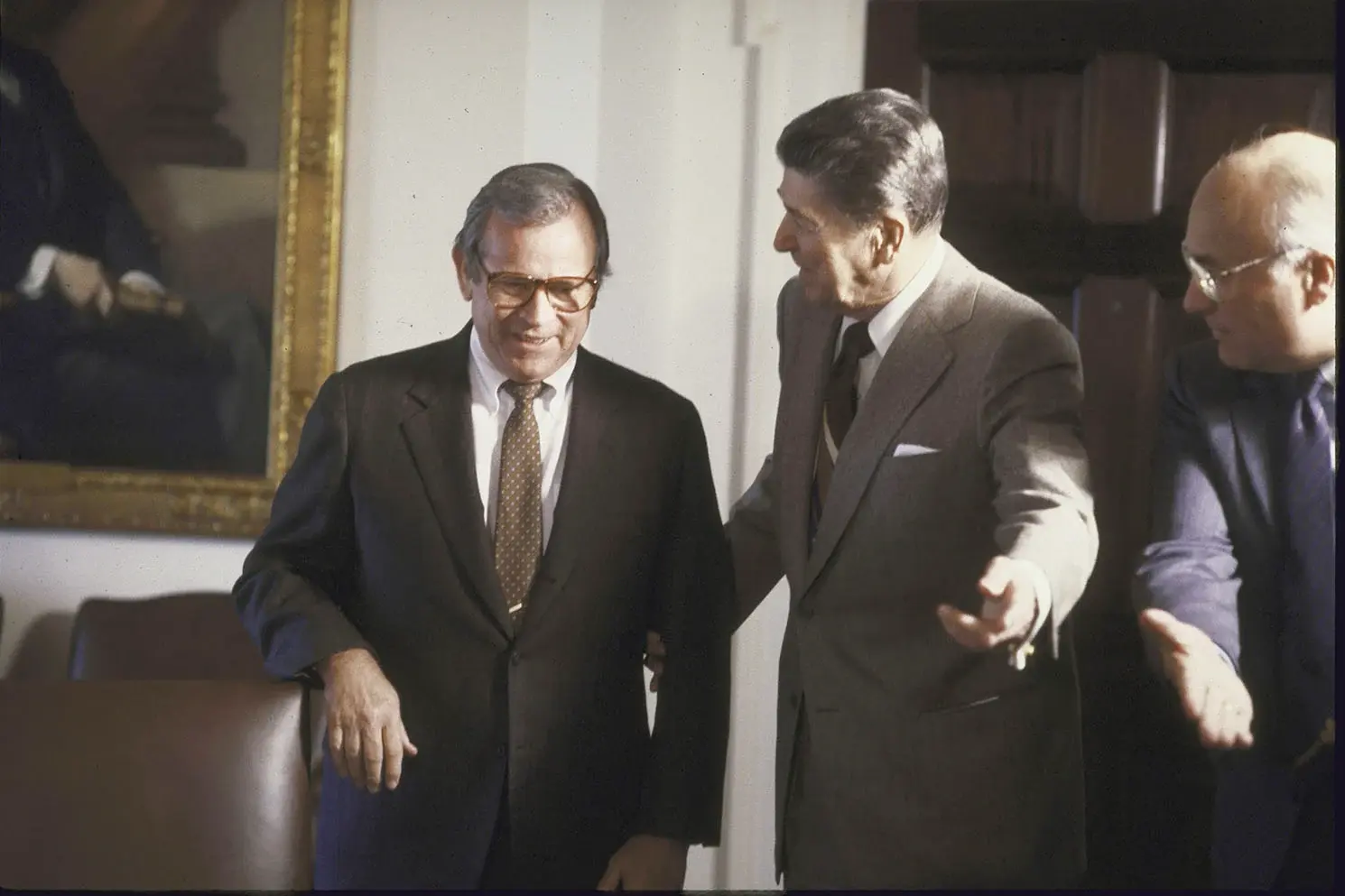
A Leadership Shake-Up in Washington
President Donald Trump has dismissed his chief of staff following the Democratic midterm victory. The move signals a strategic pivot within the White House. Trump responded to the blue wave by overhauling his inner circle. This personnel change reflects a broader effort to refocus the administration.
The new chief of staff brings a different style than his predecessor. While the outgoing official was known for loyalty, the replacement emphasizes operational discipline. This shift aims to tighten control over the executive branch. It also signals to Congress that the White House will push harder on its agenda despite the chamber flip.
Why Does This Matter for Policy?
The decision to replace the chief of staff was not impulsive. Trump had considered the change for weeks. The midterm results accelerated the timeline. The new appointee will manage communications, scheduling, and political strategy. This role is critical during a period of divided government. The transition period will be tight, with both officials working side by side for several weeks.
This personnel change has immediate policy implications. A new chief of staff means new priorities and new gatekeeping. Legislative negotiations with the new Democratic House will require a fresh approach. The administration must adapt its messaging to a hostile legislative environment. Expect more aggressive lobbying and strategic concessions.
Who is the new chief of staff? The administration has not yet publicly named the successor. The identity remains under wraps pending official confirmation.
Frequently Asked Questions
How long will the transition take? The handover is expected to last approximately two to three weeks. Both officials will overlap to ensure continuity of operations.
Will this affect the budget process? Yes. The new chief of staff will oversee the administration's budget proposal. This could lead to revised spending priorities and new negotiation tactics with Congress.