Trump’s Message to Skeptical Europeans
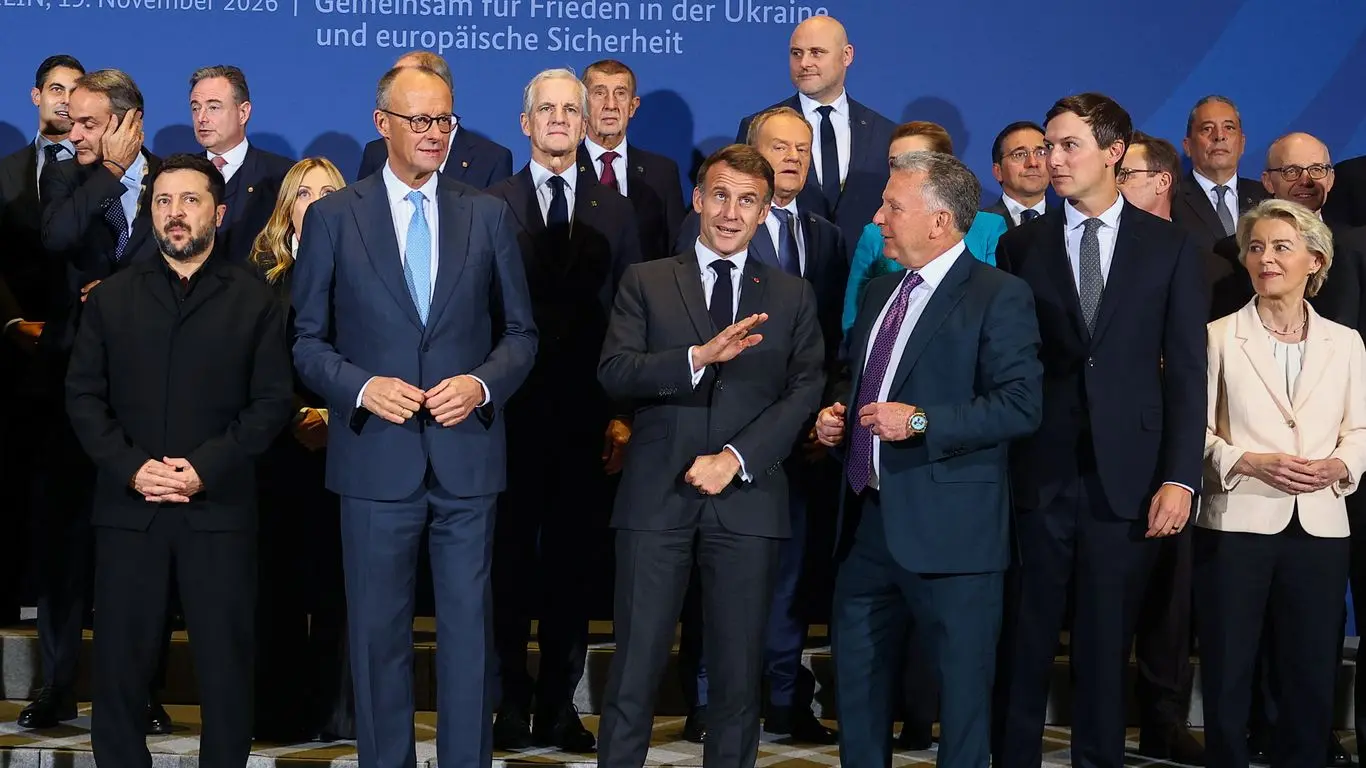
President Donald Trump, returning from a state visit to China, used a secure Air Force One line on Thursday to join a conference call with European officials in Berlin and Ukrainian President Volodymyr Zelensky. The call, which also included Trump envoys Steve Witkoff and Jared Kushner, focused on the stalled peace talks over Russia’s invasion of Ukraine.
During the conversation, Trump asserted that Russian President Vladimir Putin „wants to end the war, he wants the deal done, he is getting tired of this.” The comment came as NATO leaders in Berlin were pressing Kyiv for a clearer roadmap toward a cease‑fire, while Moscow continued its military campaign in the east. Trump’s remark was meant to underscore a perception that Moscow is losing patience with the conflict and may be open to negotiations, a view not universally shared among Western allies.
Trump’s statement aimed at European skeptics who doubt Moscow’s willingness to negotiate. By highlighting Putin’s alleged fatigue, the former president suggested that diplomatic pressure from the West could finally yield a settlement. He pointed to recent Russian statements about the high cost of the war and the strain on the Russian economy as evidence of a growing desire for peace.
Is Putin Really Ready to Negotiate?
European leaders on the call, including Germany’s chancellor and senior foreign ministers, responded cautiously. They acknowledged the need for a pragmatic approach but warned that any deal must guarantee Ukraine’s sovereignty and territorial integrity. The Ukrainian side, represented by President Zelensky, reiterated that any agreement must include a full withdrawal of Russian forces and the return of occupied regions.
Analysts remain divided on whether Putin’s „tiredness” translates into genuine willingness to compromise. Some intelligence reports indicate that Moscow is seeking ways to lift sanctions while maintaining strategic gains. Others argue that Putin’s public statements are a tactical ploy to buy time and regroup. The divergent views highlight the complexity of the diplomatic landscape, where each side weighs military, economic, and political costs.
The call did not produce an immediate breakthrough, but it signaled a continued push from Washington and its allies to keep diplomatic channels open. Trump’s involvement, though unofficial, added a layer of pressure on both Kyiv and Moscow to consider a negotiated end to hostilities.
The broader implication is a potential shift in the diplomatic calculus. If European leaders perceive a credible opening from Moscow, they may be more inclined to explore concessions. Conversely, if Kyiv remains steadfast, the stalemate could persist, prolonging the humanitarian crisis in eastern Ukraine. The coming weeks will likely see intensified back‑channel talks, with the United States positioning itself as a mediator willing to leverage its influence over both sides.
Frequently Asked Questions
What did Trump claim about Putin’s intentions? He said Putin wants to end the war, is eager for a deal, and is growing weary of the conflict.
How did European leaders react to Trump’s comment? They listened cautiously, emphasizing that any peace must protect Ukraine’s borders and sovereignty.
Will this call change the course of the war? It adds diplomatic pressure but does not guarantee a settlement; negotiations remain fragile and contingent on both parties’ willingness to compromise.