Could US Involvement Escalate the Yemen Conflict Further?
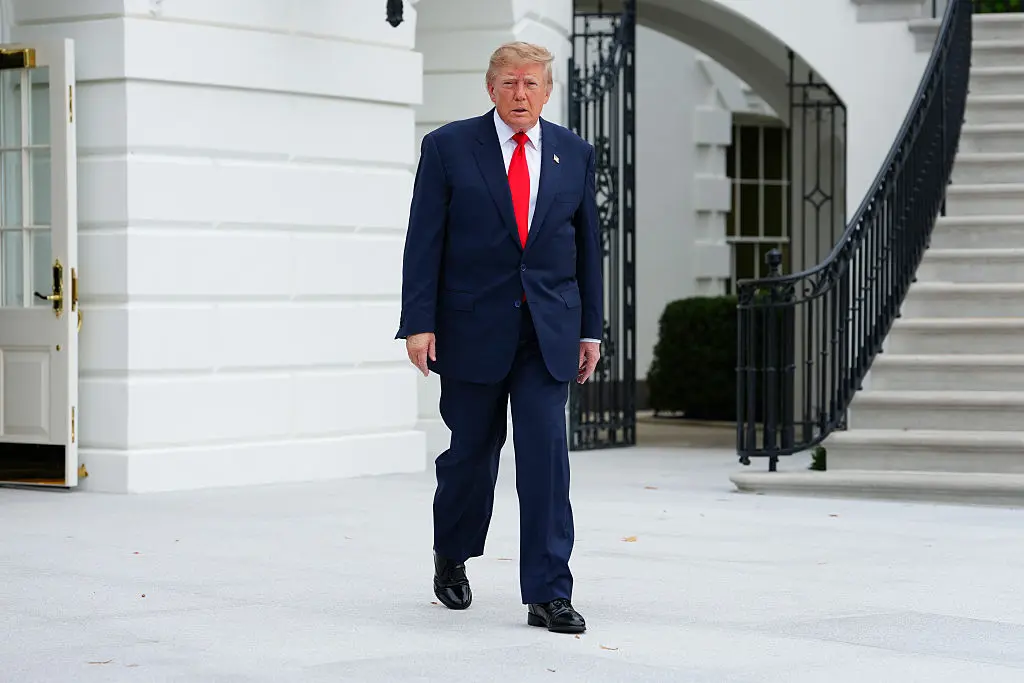
President Donald Trump said on Saturday that the United States may join Saudi Arabia’s military strikes against the Iran-backed Houthi militia in Yemen following recent attacks on Saudi airports that killed at least six people and disrupted hundreds of flights. The comments came after a surge in Houthi drone and missile strikes targeting civilian infrastructure in the kingdom, including the capital Riyadh, which led to a near-total suspension of air traffic in and out of the city. Trump spoke to reporters while traveling, indicating openness to deeper US involvement in the regional conflict.
The Houthi movement, which controls much of northern Yemen including the capital Sanaa, has intensified its cross-border attacks in recent months, citing solidarity with Palestinians in Gaza and opposition to Saudi-led coalition operations in Yemen. The group has launched dozens of drones and missiles toward Saudi cities, often targeting airports, oil facilities, and military bases. Saudi Arabia, leading a coalition backed by the West, has responded with airstrikes on Houthi positions in Yemen, though civilian casualties and infrastructure damage have drawn international concern. Trump’s remarks signal a potential shift toward more direct US military coordination with Riyadh, despite ongoing debates in Washington about limiting American roles in foreign conflicts.
What Are the Risks to Civilian Air Travel in the Region?
Trump’s suggestion that the US might join Saudi strikes raises questions about whether American forces would become directly engaged in combat operations against the Houthis. While the US has provided logistical support, intelligence, and refueling to the Saudi-led coalition in past years, direct participation in airstrikes marks a significant escalation. Analysts warn that deeper US involvement could provoke broader regional retaliation, especially from Iran, which the Houthis are widely believed to receive weapons and training from. The Biden administration has previously sought to de-escalate tensions in Yemen and end US support for offensive operations, but Trump’s comments reflect a divergent approach favoring stronger backing for Saudi security interests.
The recent Houthi attacks on Saudi airports have already caused major disruptions to civilian aviation, with flight cancellations and rerouting affecting thousands of passengers. The near-shutdown of air traffic into and out of Riyadh highlights the vulnerability of key transportation hubs to asymmetric warfare. International airlines have issued advisories, and some carriers have suspended flights to certain Saudi cities amid security concerns. Continued targeting of airports could deter foreign investment, hinder humanitarian aid delivery, and strain regional connectivity, prompting calls for enhanced air defense systems and tighter security protocols around critical infrastructure.
Who are the Houthis and why are they attacking Saudi Arabia? The Houthis are an armed group from northern Yemen that controls significant territory, including the capital Sanaa. They say their attacks on Saudi targets are in response to the Saudi-led military campaign in Yemen and as solidarity with Palestinians in Gaza.
Frequently Asked Questions
Has the US previously participated in strikes against the Houthis? The US has provided intelligence, targeting assistance, and defensive support to Saudi forces but has not routinely conducted offensive airstrikes against Houthi positions under recent administrations, focusing instead on counterterrorism and maritime security.
Could US involvement lead to direct confrontation with Iran? While the US accuses Iran of supplying the Houthis with weapons and expertise, direct military engagement with Iranian forces remains unlikely unless provoked. However, increased US strikes on Houthi targets could heighten tensions and raise the risk of indirect escalation.